Tirzepatide moves on heart failure and sleep apnea: what the trials actually show.
Tirzepatide already has FDA approval for type 2 diabetes (Mounjaro) and obesity (Zepbound). Two large Phase 3 readouts in 2024 — SUMMIT in heart failure with preserved ejection fraction, and SURMOUNT-OSA in obstructive sleep apnea — produced results strong enough that label expansion in both indications now looks likely. Here is what each trial actually measured, what the magnitudes mean, where the data are softer than the headlines suggest, and what an HFpEF or OSA patient should reasonably do today versus wait for.
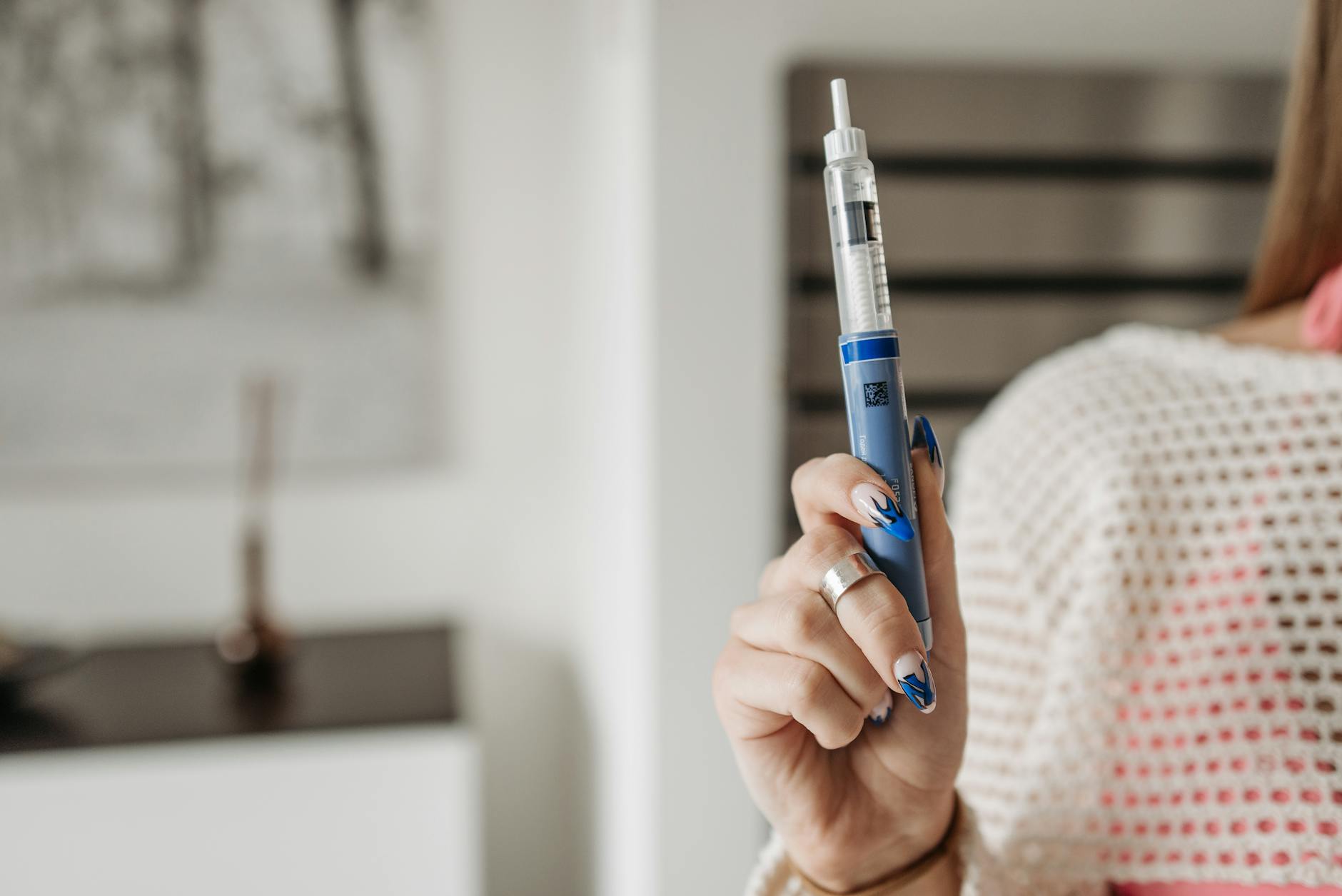
- A GLP-1 drug is becoming a cardiometabolic platform
- Why a GLP-1/GIP dual agonist plausibly affects both conditions
- SUMMIT: tirzepatide in HFpEF with obesity
- SURMOUNT-OSA: tirzepatide in moderate-to-severe sleep apnea
- The confirmatory Phase 3 program in 2026
- Probability of label expansion by 2027-28
- The trade-offs the headlines skip
- Durability after discontinuation
- Should an HFpEF or OSA patient ask about tirzepatide today?
- A tiered framework
- References
A GLP-1 drug is becoming a cardiometabolic platform
Tirzepatide is a GLP-1/GIP dual receptor agonist (GLP-1 is glucagon-like peptide-1, the incretin hormone behind semaglutide and the original drug class; GIP is glucose-dependent insulinotropic polypeptide, the second incretin, which tirzepatide adds to the molecule). It was approved by the FDA for type 2 diabetes mellitus (T2DM) as Mounjaro in May 2022 and for obesity as Zepbound in November 2023. The story most of the public knows ends there — it is the weight-loss drug.
The story the trial data is now telling is wider. Within eighteen months of the obesity approval, two large Phase 3 readouts landed: SUMMIT in heart failure with preserved ejection fraction (HFpEF), and SURMOUNT-OSA in moderate-to-severe obstructive sleep apnea (OSA). Both hit their primary endpoints. Both did so by margins large enough that FDA label expansion in each indication is now the expected direction of travel, not a long-shot bet [1, 2].
This is the same pattern that played out with semaglutide. The drug was approved for diabetes (Ozempic), then obesity (Wegovy), then cardiovascular risk reduction in patients with established cardiovascular disease and obesity (SELECT) [11]. Tirzepatide is now running the same expansion track, two indications at a time. The reasonable read for anyone tracking the GLP-1 era is that we are not looking at a class of weight-loss drugs anymore. We are looking at the first generation of true cardiometabolic platforms, with overlapping mechanism affecting weight, glucose, blood pressure, sleep, heart failure, and possibly kidney and liver disease.
Why a GLP-1/GIP dual agonist plausibly affects both conditions
Before the trial numbers, the mechanism is worth a paragraph because it tells you why these results were not surprising to people who have followed the incretin literature closely. GLP-1 receptor agonists suppress appetite via central signaling, slow gastric emptying, and have direct vascular and natriuretic effects. Adding a GIP agonist on the same molecule, as tirzepatide does, amplifies the metabolic effect and appears to improve the tolerability profile compared with single-agonist weight loss at matched efficacy.
For HFpEF, the proposed signal it pulls is multi-layered. Obesity-related HFpEF is mechanistically distinct from the lean-phenotype HFpEF that dominates older guideline thinking. Excess visceral fat raises plasma volume and pulmonary capillary wedge pressure, drives systemic inflammation that stiffens the myocardium, and is associated with substantial epicardial adipose tissue that physically compresses the heart and infiltrates atrial and ventricular walls [13]. A drug that drops body weight by 15-20% and substantially reduces visceral and epicardial fat is plausibly going to relieve a lot of that physiology — independent of any direct cardiomyocyte effect.
For OSA, the mechanism is more anatomical. Obstructive sleep apnea is driven by upper airway collapse during sleep, and fat deposition in the tongue, lateral pharyngeal walls, and parapharyngeal spaces is one of the dominant anatomical contributors in obese OSA. Reduce that fat depot and the airway stays patent through more of the night. Tirzepatide also reduces fluid shifts and may reduce the inflammatory burden contributing to upper airway dilator muscle dysfunction. The mechanistic prediction was always that meaningful weight loss in obese OSA should reduce the AHI (apnea-hypopnea index) substantially. SURMOUNT-OSA tested that prediction at scale.
SUMMIT: tirzepatide in HFpEF with obesity
SUMMIT (NCT04847557) was a Phase 3, international, double-blind, placebo-controlled RCT (randomized controlled trial) that enrolled 731 patients with stable heart failure, left ventricular ejection fraction at least 50%, body mass index at least 30 kg/m², and either elevated NT-proBNP or structural heart disease at screening. Patients were randomized 1:1 to tirzepatide titrated to a maximum of 15 mg subcutaneously once weekly, or matched placebo, on top of background heart failure therapy. Median follow-up was 104 weeks [1, 9].
The trial had two primary endpoints. The first was a time-to-first-event composite of adjudicated cardiovascular death or a worsening heart-failure event. The second was the change in the Kansas City Cardiomyopathy Questionnaire Clinical Summary Score (KCCQ-CSS) — a validated patient-reported outcome that captures heart-failure symptoms and quality of life on a 0-100 scale.
On the cardiovascular composite, tirzepatide reduced events to 9.9% versus 15.3% on placebo, a hazard ratio of 0.62 (95% CI 0.41 to 0.95, P = 0.026). The benefit was driven almost entirely by a reduction in worsening heart-failure events (8.0% vs 14.2%, HR 0.54, 95% CI 0.34 to 0.85); cardiovascular death was rare in both arms and numerically slightly higher in the tirzepatide group, though the confidence interval was wide and consistent with chance [1].
On the KCCQ-CSS, the between-group difference was 6.9 points (95% CI 3.3 to 10.6, P<0.001), with tirzepatide gaining 19.5 points from baseline versus 12.7 on placebo. Clinically, a difference of 5 points on this score is considered the minimum meaningful change for an individual patient. A 7-point group difference is a substantial functional and symptomatic improvement, and the absolute movement from baseline in the placebo arm reflects what you would expect from optimized contemporary HFpEF care alone — confirming the comparator was not artificially weak.
Several context points matter. SUMMIT enrolled obese HFpEF specifically — BMI was at least 30, mean closer to 38. The benefit may not generalize to lean HFpEF or to HFpEF without obesity. The trial population was also relatively functional at baseline (6-minute walk distance 100-425 meters, KCCQ-CSS ≤80), so the result is a benefit on top of standard HFpEF therapy, not a rescue therapy for end-stage disease. Discontinuation for adverse events — mainly gastrointestinal — was higher with tirzepatide (6.3% vs 1.4%), which is consistent with the known class profile.
SURMOUNT-OSA: tirzepatide in moderate-to-severe sleep apnea
SURMOUNT-OSA (NCT05412004) was actually two Phase 3 trials run as a master protocol. Trial 1 enrolled 234 adults with moderate-to-severe OSA (AHI at least 15) and obesity (BMI at least 30) who were unable or unwilling to use positive airway pressure (PAP) therapy. Trial 2 enrolled 235 adults with the same OSA and obesity criteria who were stable PAP users and planned to continue PAP through the study. Both trials randomized 1:1 to tirzepatide at the maximum tolerated dose (10 mg or 15 mg) versus placebo, for 52 weeks [2, 8].
The primary endpoint in both trials was change in AHI from baseline. AHI counts the number of apnea (complete airflow cessation ≥10 seconds) and hypopnea (≥30% airflow reduction with oxygen desaturation) events per hour of sleep, measured by polysomnography. Mean baseline AHI was 51.5 in Trial 1 and 49.5 in Trial 2 — squarely in the severe range, where standard of care is PAP therapy with all the adherence problems that entails.
In Trial 1, tirzepatide reduced AHI by a mean of 25.3 events per hour versus 5.3 events per hour on placebo (between-group difference -20.0, 95% CI -25.8 to -14.2, P<0.001). In Trial 2 (on background PAP), tirzepatide reduced AHI by 29.3 events per hour versus 5.5 on placebo (between-group difference -23.8, 95% CI -29.6 to -17.9, P<0.001). In absolute terms, this is roughly a 50-60% reduction in respiratory events per hour of sleep, driving a meaningful fraction of participants from severe OSA into mild OSA or remission.
Secondary endpoints reinforced the signal. Sleep apnea-specific hypoxic burden — the cumulative time spent in oxygen desaturation, which is arguably more cardiovascular-relevant than AHI itself — fell meaningfully on tirzepatide. Patient-reported sleep impairment and disturbance scores improved. Body weight fell by approximately 18-20% from baseline. Systolic blood pressure dropped by 6-9 mmHg. High-sensitivity C-reactive protein, a marker of systemic inflammation that is elevated in OSA, also fell substantially [2].
On the basis of these data, the FDA granted tirzepatide approval for moderate-to-severe OSA in adults with obesity in December 2024 — the first pharmacologic treatment ever approved for OSA itself, rather than for daytime sleepiness as a downstream consequence of OSA [12]. The HFpEF indication remains under regulatory review, with the SUMMIT data filed.
Two indications, two pivotal Phase 3 trials, both positive. The reasonable read is that tirzepatide is becoming a cardiometabolic platform — and that GLP-1/GIP biology overlaps with heart failure and sleep apnea through visceral fat, inflammation, and fluid balance in ways the lean-HFpEF and CPAP-only frameworks could not anticipate.
The confirmatory Phase 3 program in 2026
The trial design conversation in cardiology has shifted. SUMMIT was a single Phase 3 pivotal in HFpEF with obesity — a strong trial, but a single trial with 731 patients and a primary composite that was driven by hospitalizations rather than mortality. Eli Lilly and academic collaborators have moved into a confirmatory phase to address several open questions in parallel.
First, there are now several head-to-head and mechanistic studies comparing tirzepatide with the established HFpEF therapies (SGLT2 inhibitors such as empagliflozin and dapagliflozin), and with semaglutide, in real-world claims data and prospective registries. Brigham and Women's Hospital is running two large observational comparisons of tirzepatide versus semaglutide in patients with HFpEF, with primary completion in 2025-2026 (NCT06914141, NCT06980623). Columbia's NCT07554638 is a Phase 4 mechanistic study scheduled to start in 2026 to dissect which physiology drives the obesity-HFpEF benefit. Healthcare-claims emulations of SUMMIT (NCT06914154) extend the population beyond trial-eligible patients [9].
Second, the cardiovascular outcomes program continues to expand. The post-2024 confirmatory work matters because the HFpEF mortality signal in SUMMIT was numerically wrong-direction (more cardiovascular deaths on tirzepatide than placebo, though the absolute numbers were small and the CI wide). A bigger, longer trial powered for mortality is what will settle whether tirzepatide is preventing heart-failure decompensations while having a neutral or favorable mortality effect, or whether the signal is hospitalizations only.
Third, the OSA program is being extended into the patients SURMOUNT-OSA excluded — non-obese OSA, OSA with heart failure overlap, and OSA in patients with prediabetes or type 2 diabetes. The pharmacological case for tirzepatide in OSA is strongest when obesity is doing the anatomical work; whether it extends to OSA driven by craniofacial structure or upper airway neuromuscular dysfunction is an open question the program is now sized to answer.
Probability of label expansion by 2027-28
Regulatory precedent here is straightforward. The FDA approved semaglutide for cardiovascular risk reduction in obesity on the strength of SELECT — one Phase 3 trial with a hard cardiovascular composite primary endpoint. SUMMIT is methodologically the same shape of evidence for HFpEF: one large Phase 3, hard composite, multinational, double-blind, well-adjudicated. If the FDA holds to the SELECT precedent, the HFpEF label for tirzepatide is more likely than not, with a target action date plausibly in late 2026 or 2027.
For OSA, the label expansion has already happened — FDA approval landed in late 2024 for adults with moderate-to-severe OSA and obesity. The 2026 program is about expanding into adjacent populations (non-obese, OSA with comorbidities, non-PAP-naive patients). Confirmatory readouts will determine label width rather than yes-or-no approval.
The bigger forward question is reimbursement, not regulation. Cardiology guidelines update slowly. Payers reimburse on guideline alignment. A SUMMIT-eligible HFpEF patient in 2027 may have an FDA-approved drug for the condition that their insurer will not cover unless the guidelines explicitly recommend it. This is the same pattern that initially limited semaglutide uptake in obesity before the SELECT cardiovascular indication forced payer alignment.
The trade-offs the headlines skip
The trial reporting has emphasized efficacy. The trade-offs are real and worth surfacing before any HFpEF or OSA patient walks into a clinic asking for tirzepatide.
The lean-mass cost is the dominant one. GLP-1 receptor agonists, including the GLP-1/GIP dual agonist tirzepatide, cause weight loss through appetite suppression — fewer calories in, indiscriminate weight loss out. Roughly 20-40% of the total weight lost on these drugs is lean mass rather than fat [3, 4]. The phenomenon is most visible as "Ozempic face" — loss of facial subcutaneous fat and supporting connective tissue — but it is happening throughout the body. In an HFpEF population, where many patients already have sarcopenia (age-related muscle loss) layered on top of deconditioning, the additional lean-mass loss is not a neutral trade. Older patients and women lose more lean mass proportionally. Resistance training and high-protein intake mitigate but do not eliminate the effect.
This matters mechanistically. Skeletal muscle is the primary site of insulin-mediated glucose disposal, a substantial contributor to resting metabolic rate, and the structural buffer against falls, fragility, and post-illness recovery. An HFpEF patient losing 18% of body weight on tirzepatide is gaining cardiovascular benefit, dropping inflammatory markers, improving symptoms — and simultaneously losing muscle that they may not be able to easily regain at their age. The book-keeping is favorable in the trial, but the long-term real-world balance depends on whether patients are doing the resistance training that the trials did not mandate.
Gastrointestinal side effects are common — nausea, vomiting, diarrhea, constipation. In SUMMIT, 6.3% of tirzepatide patients discontinued due to adverse events versus 1.4% on placebo, almost all gastrointestinal. The titration schedule (starting at 2.5 mg and stepping up over 4-6 months) reduces but does not eliminate the issue.
Beyond what the label currently captures, AI pharmacovigilance analysis of 410,000 real-world GLP-1 users surfaced menstrual irregularities and temperature dysregulation as recurring signals not reflected in current prescribing information for semaglutide or tirzepatide. Those findings apply to the same class mechanism this drug shares.
Cost remains a barrier. List prices for tirzepatide remain north of $1,000 per month in the United States, even with coupon support, and insurance coverage for the HFpEF indication is essentially nonexistent prior to formal label expansion. The OSA indication coverage will likely lag the FDA approval by 6-18 months as payers reset formularies.
Durability after discontinuation
Both SUMMIT and SURMOUNT-OSA measured on-treatment effects. Neither was designed to characterize what happens after the drug is stopped. This is not a minor footnote — the discontinuation question is where the GLP-1 class has consistently shown its honest weakness.
The STEP-1 extension trial of semaglutide showed that one year after discontinuation, participants regained approximately two-thirds of the weight they had lost on the drug, and most of the cardiometabolic benefits regressed in parallel. There is no published equivalent extension trial for tirzepatide in HFpEF or OSA yet, but the same biology applies. Appetite suppression is an on-treatment effect. Stop the drug, the appetite returns, the weight returns, the visceral fat returns — and with it, plausibly, the HFpEF symptoms and the AHI [3].
The practical implication is that tirzepatide, in HFpEF and OSA, is best understood as a chronic therapy. Patients who can stay on it indefinitely will likely keep the benefits. Patients who cycle off — whether for cost, side effects, or because they conclude they are "fixed" — will likely lose them. This is structurally different from PAP therapy for OSA, which works night-by-night but does not require sustained behavioral or biological maintenance to keep working.
Should an HFpEF or OSA patient ask about tirzepatide today?
The two populations have different answers in 2026.
For OSA: FDA approval is now in hand for adults with moderate-to-severe OSA and obesity. Asking a sleep medicine clinician about tirzepatide is appropriate today. The framing should be that tirzepatide is an add-on to, not a replacement for, PAP therapy in most cases — the SURMOUNT-OSA effect in patients who continued PAP was actually larger in absolute terms than the effect in the PAP-naive arm, suggesting the two therapies are additive. For patients who genuinely cannot tolerate PAP and whose OSA is driven primarily by obesity, tirzepatide is now a real first-line pharmacological option, which it was not before.
For HFpEF: the indication is not yet labeled, so prescription will be off-label. Some cardiologists are already prescribing tirzepatide for obese HFpEF on the strength of the SUMMIT data, particularly when the patient also has T2DM (where tirzepatide is on-label) or obesity (also on-label) — meaning the prescription itself is on-label but the therapeutic intent is HFpEF. Payer coverage will follow the prescribing indication, not the intent. Patients with obese HFpEF and another tirzepatide-eligible indication can have the conversation today; those without will likely wait for formal label expansion to make the economics work.
In either case, the conversation should include the lean-mass cost, the durability question, the need for resistance training and adequate protein intake, and a realistic plan for what happens if the patient cannot tolerate the drug or chooses to stop. A clinician who frames tirzepatide as a one-and-done weight-loss intervention is not framing the same drug the trial data is actually describing.
A tiered framework
For HFpEF, the foundational therapy is still SGLT2 inhibitor (empagliflozin or dapagliflozin), aggressive blood pressure control, diuretic management, atrial fibrillation rate or rhythm control as appropriate, and structured exercise rehabilitation [5, 6]. For OSA, PAP therapy remains first-line for patients who can tolerate it, with weight management as a long-running co-intervention. Tirzepatide does not yet replace any of this. It is, at most, an addition to it.
Patients with moderate-to-severe OSA and obesity now have an FDA-approved pharmacological option. Patients with obese HFpEF and a separately on-label indication (T2DM or obesity) can be prescribed tirzepatide with HFpEF as the therapeutic intent. In both cases, the right monitoring includes body composition (lean mass tracking, not just total weight), gastrointestinal tolerability, and a plan for sustained therapy or for graceful discontinuation. Calculate maintenance energy needs alongside the protein target before starting.
For obese HFpEF patients without a separately on-label tirzepatide indication, off-label prescription on the basis of SUMMIT is happening but remains a judgment call. The data are strong, the regulatory direction is favorable, but the label is not yet there and payer coverage is the gating step. Anyone proceeding should be doing so under a clinician who has reviewed the SUMMIT trial in detail and has a plan for the lean-mass cost, the gastrointestinal tolerability profile, and the discontinuation question.
This is not a recommendation to start tirzepatide for HFpEF or OSA. The drug is a prescription pharmaceutical with significant gastrointestinal effects, a clear lean-mass cost, real cost barriers, and benefits that likely regress on discontinuation. The SUMMIT and SURMOUNT-OSA data are strong enough to change the conversation between patient and clinician — they are not strong enough to replace it. Anyone considering tirzepatide for either indication should be doing so in partnership with a clinician who has read the primary publications.
References
- Packer M, Zile MR, Kramer CM, et al. Tirzepatide for Heart Failure with Preserved Ejection Fraction and Obesity. N Engl J Med. 2024;392(5):427-437. DOI · PMID 39555826
- Malhotra A, Grunstein RR, Fietze I, et al. Tirzepatide for the Treatment of Obstructive Sleep Apnea and Obesity. N Engl J Med. 2024;391(13):1193-1205. DOI · PMID 38912654
- Jastreboff AM, Aronne LJ, Ahmad NN, et al. Tirzepatide Once Weekly for the Treatment of Obesity (SURMOUNT-1). N Engl J Med. 2022;387(3):205-216. DOI
- Wilding JPH, Batterham RL, Davies M, et al. Weight regain and cardiometabolic effects after withdrawal of semaglutide: the STEP 1 trial extension. Diabetes Obes Metab. 2022;24(8):1553-1564. DOI
- Anker SD, Butler J, Filippatos G, et al. Empagliflozin in Heart Failure with a Preserved Ejection Fraction (EMPEROR-Preserved). N Engl J Med. 2021;385(16):1451-1461. DOI
- Solomon SD, McMurray JJV, Claggett B, et al. Dapagliflozin in Heart Failure with Mildly Reduced or Preserved Ejection Fraction (DELIVER). N Engl J Med. 2022;387(12):1089-1098. DOI
- Kosiborod MN, Abildstrøm SZ, Borlaug BA, et al. Semaglutide in Patients with Heart Failure with Preserved Ejection Fraction and Obesity (STEP-HFpEF). N Engl J Med. 2023;389(12):1069-1084. DOI
- ClinicalTrials.gov. SURMOUNT-OSA: A Master Protocol to Investigate the Efficacy and Safety of Tirzepatide Once Weekly in Participants Who Have Obstructive Sleep Apnea and Obesity. NCT05412004. Trial record
- ClinicalTrials.gov. SUMMIT: A Study of Tirzepatide (LY3298176) in Participants With Heart Failure With Preserved Ejection Fraction and Obesity. NCT04847557. Trial record
- McEvoy RD, Antic NA, Heeley E, et al. Effect of Continuous Positive Airway Pressure on Cardiovascular Events in Obstructive Sleep Apnea (SAVE). N Engl J Med. 2016;375(10):919-931. DOI
- Lincoff AM, Brown-Frandsen K, Colhoun HM, et al. Semaglutide and Cardiovascular Outcomes in Obesity without Diabetes (SELECT). N Engl J Med. 2023;389(24):2221-2232. DOI
- U.S. Food and Drug Administration. FDA approves first medication for obstructive sleep apnea (Zepbound/tirzepatide). 2024. FDA press release
- Packer M, Lam CSP, Lund LH, et al. Characterization of the inflammatory-metabolic phenotype of heart failure with preserved ejection fraction and obesity. Eur Heart J. 2021;42(34):3263-3274. DOI