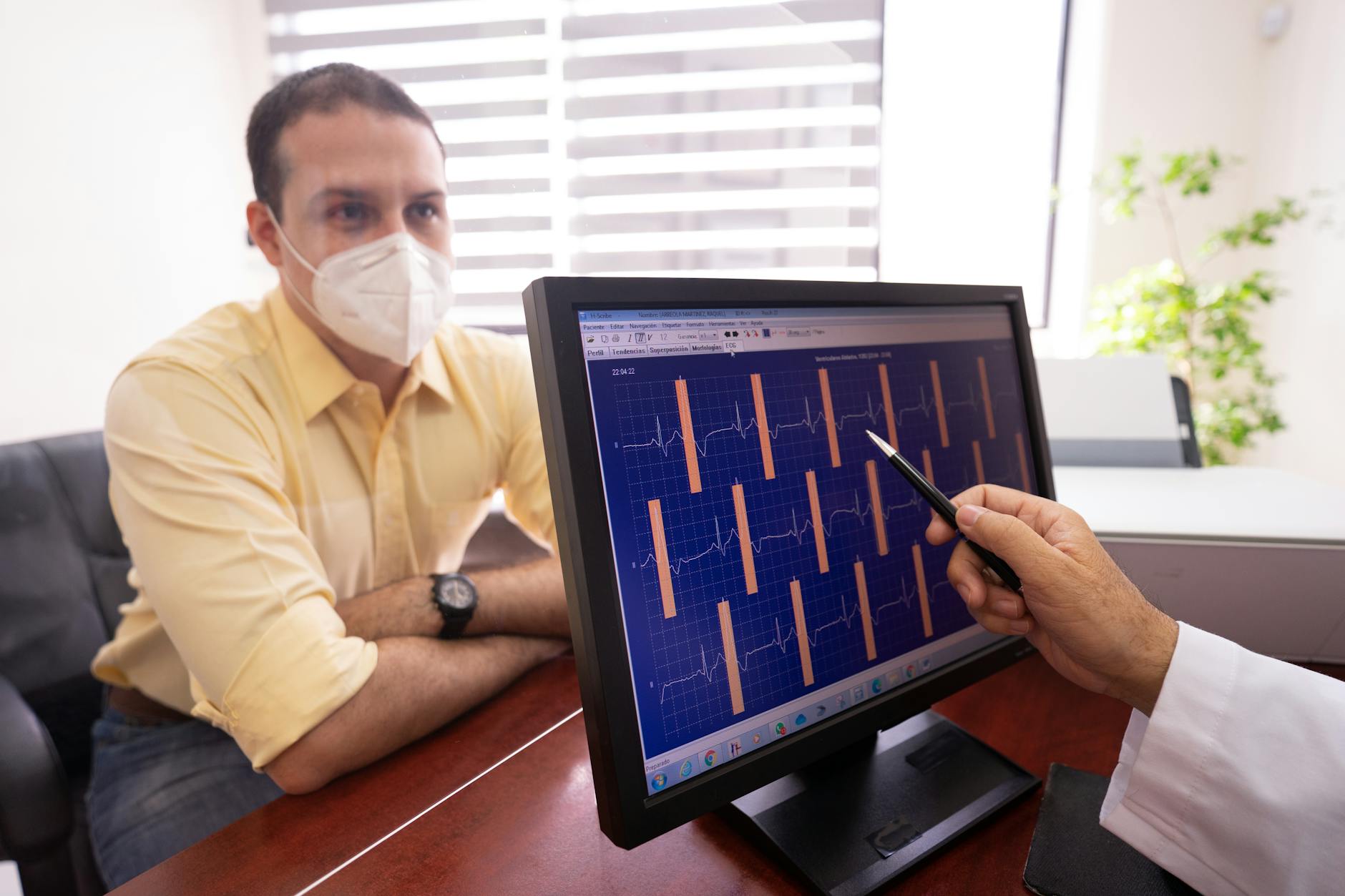
Sex & Hormones
Testosterone, estrogen, thyroid, cortisol, fertility. The endocrine landscape after TRAVERSE, after the WHI re-read, and after a decade of "low T" marketing — with tiered protocols you'd actually take to a clinician.
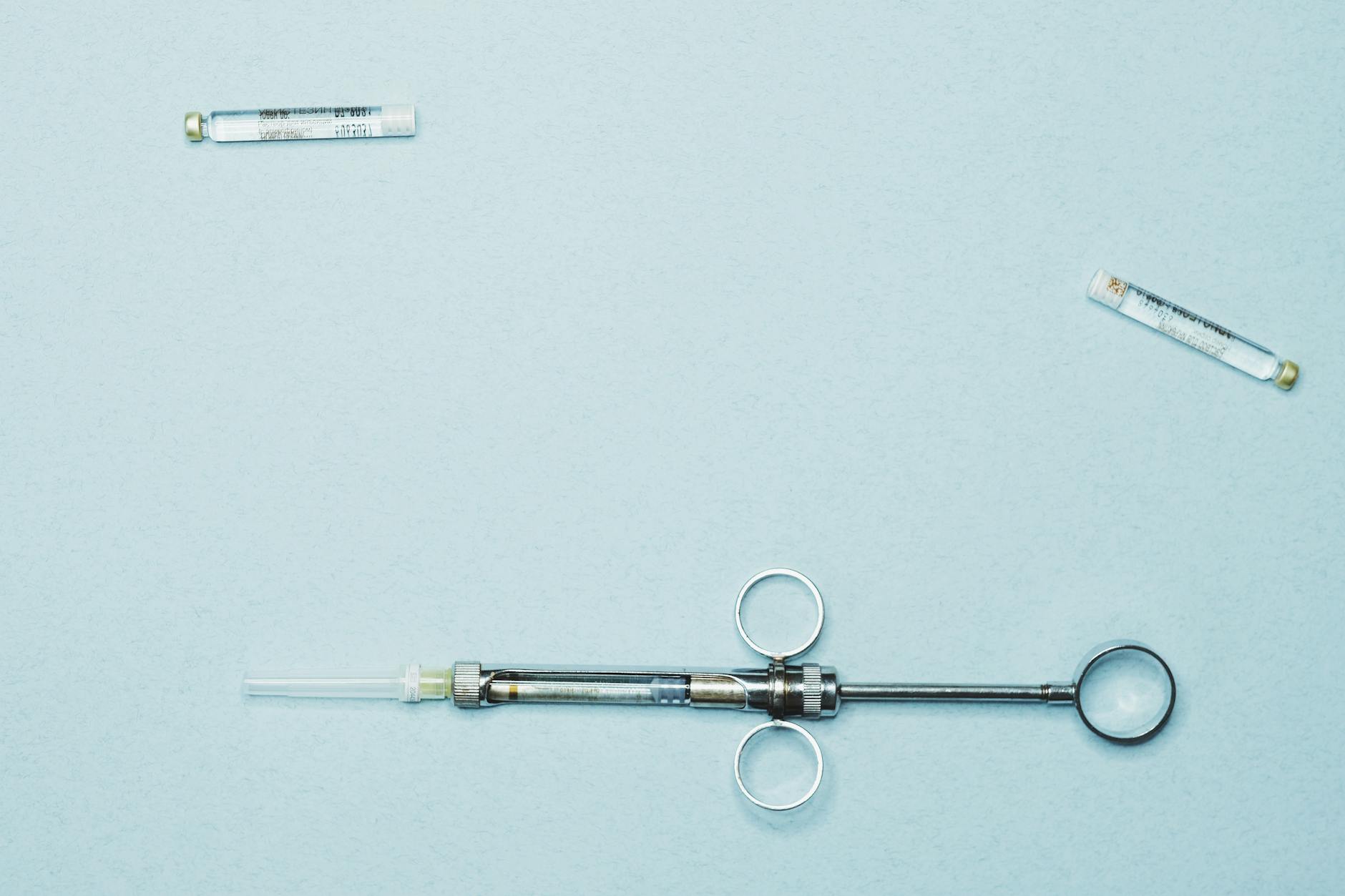
Exogenous testosterone suppresses the HPG axis and halts spermatogenesis. Enclomiphene and HCG work upstream — raising endogenous T while keeping fertility intact. Phase 3 data, mechanism, and monitoring.
- The modern endocrine landscape
- TRT for men — when it's actually indicated
- Clomid, enclomiphene, hCG — the HPG-preserving alternatives
- Thyroid — why TSH alone is insufficient
- Cortisol and HPA dysregulation
- Female hormones — perimenopause and the WHI re-read
- Fertility — sperm, AMH, and effect sizes that actually matter
- Upstream precursors — DHEA, pregnenolone
Wellness Radar is an independent health publication, not a clinical practice. Nothing on this page is medical advice. Endocrine medicine is individualized; everything here is framework, not prescription. Take the questions to a clinician who knows your labs and your history.
The modern endocrine landscape
Twenty years ago, "low T" was a clinical category that lived inside endocrinology clinics. Today it's a marketing category that lives inside direct-to-consumer telehealth ads. The shift didn't happen because the biology changed. It happened because the regulatory and advertising landscape did.
The actual prevalence data is more sober. Population studies put biochemical hypogonadism — a morning total testosterone below roughly 300 ng/dL on two separate measurements — at around 2% of men in their 40s and rising progressively with age and BMI (Araujo et al., JCEM 2007). Symptomatic hypogonadism, which is the only kind that should drive a prescription, is substantially lower than that. The Endocrine Society's 2018 clinical practice guideline (Bhasin et al., JCEM 2018) is explicit: diagnose hypogonadism only when both unequivocally low morning total testosterone and consistent symptoms are present. Low number alone is not a diagnosis. It's a lab result.
The same era resolved the older anxiety in the opposite direction. For roughly a decade, observational signals suggested testosterone replacement therapy (TRT — Testosterone Replacement Therapy) might raise cardiovascular risk. The TRAVERSE trial (Lincoff et al., NEJM 2023) was the randomized, placebo-controlled answer in 5,246 middle-aged and older men with hypogonadism and pre-existing cardiovascular disease: TRT was non-inferior to placebo on major adverse cardiovascular events. Separately, a large registry analysis (Wallis et al., Lancet Healthy Longevity 2016) suggested a mortality signal favoring adequately replaced men over untreated hypogonadal men. The honest synthesis: when indicated, TRT is reasonably safe. When not indicated, it is still a hormone, and hormones have downstream consequences.
TRT for men — when it's actually indicated
The guideline-grade indication is the same as it has been for years: low morning total testosterone (Endocrine Society defines a threshold around 264–300 ng/dL depending on the assay) on two separate occasions, plus a coherent symptom cluster — low libido, erectile dysfunction, loss of morning erections, persistent fatigue, decreased mood, loss of lean mass. The "low-normal plus symptoms" category — total T in the 300–400 ng/dL range with classic symptoms — is genuinely contested. Some endocrinologists treat. Some don't. There is no trial that cleanly settles it.
Modern protocols and dosing strategies
Conventional TRT uses testosterone cypionate or enanthate — long-chain esters that release testosterone over days. The historical standard was 100–200 mg intramuscular every two weeks. Modern practice has largely moved to weekly, twice-weekly, or daily subcutaneous administration. The reason is pharmacokinetic: smaller, more frequent doses flatten the peaks and troughs that drove the older complaints of energy and mood swings. Daily subcutaneous dosing also tends to produce more stable estradiol — which matters because aromatization of testosterone to estradiol is dose-rate dependent.
Confirm two morning total testosterone values below 300 ng/dL, with SHBG (sex hormone-binding globulin), LH (luteinizing hormone), and prolactin. Rule out reversible causes — sleep apnea, obesity, opioids, chronic stress. Address those first. If you skip this step, you may be replacing a hormone that would have recovered on its own.
Testosterone cypionate ~100–160 mg/week, split into two subcutaneous injections. Target a mid-normal trough total T (500–700 ng/dL). Recheck testosterone, estradiol, hematocrit, and PSA at 6–12 weeks and again at 6 months. Hold or reduce if hematocrit exceeds ~54%.
Daily subcutaneous administration for the flattest curves; adjunct hCG (human Chorionic Gonadotropin) 250–500 IU twice weekly to preserve testicular volume and intratesticular testosterone. Anastrozole only if estradiol is symptomatic and confirmed elevated — empirical AI (aromatase inhibitor) use is a common over-correction.
Two clinical points are worth stating plainly. First, suppressing spermatogenesis is the predictable consequence of exogenous testosterone for any man with intact pituitary signaling — so anyone who wants biological children in the foreseeable future should not start standard TRT without a fertility-preserving plan in place. Second, "high-normal" is not a target. Pushing total T to 1,100 ng/dL is not a goal of replacement therapy; it is supraphysiologic dosing, and the side-effect profile changes accordingly.
Clomid, enclomiphene, hCG — the HPG-preserving alternatives
If a man has secondary hypogonadism — low testosterone driven by inadequate pituitary signaling rather than primary testicular failure — the HPG axis (Hypothalamic-Pituitary-Gonadal axis) is intact, and there's a credible argument for stimulating it rather than overriding it. That's where clomiphene, enclomiphene, and hCG come in.
Clomiphene citrate (Clomid) is a selective estrogen receptor modulator — a racemic mixture of two isomers (zuclomiphene and enclomiphene). Enclomiphene is the active isomer for HPG stimulation; zuclomiphene is the longer-acting residual fraction that some patients find produces estrogen-like side effects (mood changes, visual symptoms). The Phase 2 enclomiphene trials (Wiehle et al., Fertility and Sterility 2014) showed it raised testosterone into the normal range while preserving — and in some cases improving — sperm parameters, which is the mirror opposite of TRT's fertility profile.
hCG mimics LH, stimulating Leydig cells directly. It can be used as monotherapy to restart endogenous production, or alongside TRT to preserve testicular function. None of these alternatives are FDA-approved for hypogonadism in men, which is the regulatory wrinkle worth knowing. The clinical use case is real; the labeling is off-label. The mechanism, Phase 3 data, and combination protocol are covered in detail in our enclomiphene + HCG guide.
"Low T" sells better than "secondary hypogonadism that may resolve with sleep, weight loss, and time." But only one of those statements is a diagnosis.
Thyroid — why TSH alone is insufficient
Standard primary-care thyroid screening starts and often ends with TSH (Thyroid-Stimulating Hormone). When TSH is overtly abnormal, that's usually enough. When TSH is in the upper reference range with classic symptoms — fatigue, cold intolerance, weight gain, brain fog — the question gets more interesting, and the wellness industry has built an empire on the gap.
The case for looking past TSH is partly biological and partly clinical. Free T4 is the storage form; free T3 is the active hormone, and peripheral T4-to-T3 conversion varies considerably between individuals and across physiologic states (calorie restriction, chronic illness, inflammation). Reverse T3 is a metabolically inert isomer produced preferentially under stress, and an elevated reverse T3 with normal TSH can be a marker of nonthyroidal illness syndrome — though interpretation of reverse T3 in otherwise healthy adults remains debated. Anti-TPO (thyroid peroxidase) and anti-Tg (thyroglobulin) antibodies are the diagnostic markers for Hashimoto's thyroiditis, the autoimmune condition behind the majority of hypothyroidism in iodine-sufficient populations.
Hashimoto's prevalence is high — anti-TPO antibodies are detectable in roughly 10–15% of women — and the clinical picture often precedes biochemical hypothyroidism by years. The American Thyroid Association guidelines on subclinical hypothyroidism (Garber et al., Endocr Pract 2012; subsequent updates) recommend a measured approach: treatment is most justified when TSH is persistently above ~10 mIU/L, or when positive antibodies, symptoms, pregnancy planning, or cardiovascular risk shift the risk-benefit balance. Treating an isolated TSH of 4.5 in an asymptomatic 35-year-old is not what the guideline supports, though it is what some wellness clinics will do.
Cortisol and HPA dysregulation
"Adrenal fatigue" is not a diagnosis in any endocrine textbook. The actual clinical entity at one end of the spectrum is adrenal insufficiency — a rare, life-threatening condition diagnosed with morning cortisol and ACTH stimulation testing. At the other end is Cushing's syndrome. Between them is a wide territory of HPA (hypothalamic-pituitary-adrenal) axis dysregulation that real endocrinologists acknowledge exists and real wellness marketers have monetized to within an inch of its life.
The four-point salivary cortisol curve — measurements on waking, plus 30 minutes, midday, evening, and bedtime — has legitimate research uses in studying cortisol awakening response (CAR) and diurnal slope. It is not a validated diagnostic for any clinical condition you would treat with hormones. The chart you get back from a direct-to-consumer panel is interesting; it is not, by itself, a reason to start hydrocortisone.
On the adaptogen question, the literature is mixed but not empty. Ashwagandha (Withania somnifera) has shown small-to-moderate effects on perceived stress and morning cortisol across multiple small trials — Salve et al. (Cureus 2019) reported reductions in serum cortisol and perceived stress at 250 and 600 mg standardized extract over eight weeks. Effect sizes are modest, not transformative, and the evidence base is dominated by short, small studies. Rhodiola rosea has some signal for fatigue and stress but the studies are similarly underpowered. Adaptogens are reasonable; adaptogens as a primary intervention for "burned out adrenals" are a category error.
The interventions with the largest real-world effect on cortisol regulation are not on supplement shelves: sleep duration and regularity, resistance and aerobic training within tolerance, daylight exposure in the first hour after waking, and treating sleep apnea. Hormones do not undo the absence of those.
Female hormones — perimenopause and the WHI re-read
Perimenopause is a clinical diagnosis, not a lab diagnosis. FSH (Follicle-Stimulating Hormone) and estradiol fluctuate dramatically across the perimenopausal transition — sometimes day to day — which is why a single FSH draw rarely answers the question. The North American Menopause Society (NAMS) 2022 position statement is explicit that diagnosis rests on the menstrual cycle pattern and symptoms in women in the appropriate age range.
The cultural memory around HRT (Hormone Replacement Therapy) is still shaped by the original Women's Health Initiative (WHI) readout in 2002 — when Rossouw and colleagues (JAMA 2002) reported that conjugated equine estrogens plus medroxyprogesterone acetate increased breast cancer, coronary events, and stroke. Prescriptions collapsed. A generation of women lost access to symptomatic treatment, and a generation of clinicians inherited a reflex.
The re-read is the more important story. Manson et al. (NEJM 2003, and subsequent analyses through the 2017 long-term follow-up in JAMA) showed that age and time-since-menopause stratification matter enormously. In women starting HRT within ~10 years of menopause and under age 60, the absolute risk profile is far more favorable than the original WHI headline suggested, and the symptom benefit is substantial. Modern menopausal HRT — transdermal estradiol (patch) plus oral micronized progesterone — has a different pharmacology than the WHI regimen. Transdermal estradiol bypasses first-pass hepatic metabolism and appears to carry a lower venous thromboembolism risk than oral estrogen. Micronized progesterone is structurally identical to endogenous progesterone, in contrast to the synthetic progestins used in WHI. NAMS, the Endocrine Society, and the International Menopause Society now broadly converge on this regimen as standard for symptomatic women without specific contraindications.
Transdermal estradiol patch at the lowest effective dose (often 0.025–0.0375 mg/day) for vasomotor symptoms, with oral micronized progesterone 100 mg nightly if the uterus is intact. Re-evaluate at 6 and 12 months.
Estradiol patch 0.05–0.075 mg/day plus micronized progesterone 100–200 mg nightly, titrated to symptom control and tolerability. Vaginal estradiol (cream, tablet, or ring) added separately for genitourinary symptoms — its systemic absorption is minimal and its safety profile is excellent.
Low-dose transdermal testosterone for hypoactive sexual desire disorder (HSDD) per the 2019 Global Consensus Position Statement on testosterone in women. There is no FDA-approved female testosterone product in the US; off-label compounding is common and should be supervised. Routine "high-normal" T in women is not the goal.
Fertility — sperm, AMH, and effect sizes that actually matter
Male fertility is assessed primarily by semen analysis against the WHO 2021 reference values: concentration ≥16 million/mL, total motility ≥42%, normal morphology ≥4% by strict criteria. Trends in population sperm concentration have generated headlines for decades; the meta-analyses are real but the variability is also real. For the individual man, two semen analyses several weeks apart with a reasonable lifestyle baseline is the starting frame.
Female ovarian reserve is most commonly evaluated with AMH (Anti-Müllerian Hormone), antral follicle count by ultrasound, and day-3 FSH. AMH correlates with the size of the remaining follicle pool and is the most stable across the cycle. It predicts response to ovarian stimulation but is a weaker predictor of natural time-to-pregnancy than age. Age remains the dominant variable nobody enjoys discussing.
Lifestyle interventions with real effect size, not wellness-blog effect size: smoking cessation (sperm parameters and natural conception rates), reaching a BMI under 30 (both sexes), addressing sleep apnea, treating thyroid disease, and — for men — reducing scrotal heat exposure and discontinuing exogenous androgens and opioids. Antioxidant supplements have a real, modest effect on sperm parameters in subfertile men (Cochrane reviews repeatedly show a small benefit on live birth, with low to moderate certainty). Heroic supplement stacks beyond that are mostly noise.
Upstream precursors — DHEA, pregnenolone
The "upstream precursor" argument is appealing in theory: rather than replacing terminal hormones (testosterone, estradiol), supplement the adrenal precursors and let the body distribute them. In practice, the conversion of DHEA (dehydroepiandrosterone) and pregnenolone into downstream sex steroids is highly variable, tissue-dependent, and largely unidirectional once committed. DHEA supplementation in women with adrenal insufficiency has modest evidence for well-being. DHEA in healthy younger men is largely unnecessary; the body makes plenty. Pregnenolone has thin clinical evidence overall, despite the confident marketing around it.
Where DHEA has a defensible role: documented low DHEA-S in older adults with relevant symptoms, low-dose supplementation (25–50 mg in men, 10–25 mg in women), and follow-up labs to verify the lab change matches the intent. As a youth elixir, the evidence is not there.
Endocrinology rewards humility. Hormones are systems, not switches — and the systems include feedback loops, tissue specificity, and interactions that no single lab number captures. The best protocols are the ones a clinician can defend in front of a colleague. The worst ones are the ones a wellness ad can defend in front of an algorithm.
References
- Bhasin S, et al. Testosterone Therapy in Men With Hypogonadism: An Endocrine Society Clinical Practice Guideline. J Clin Endocrinol Metab. 2018;103(5):1715-1744.
- Lincoff AM, et al. Cardiovascular Safety of Testosterone-Replacement Therapy (TRAVERSE). N Engl J Med. 2023;389:107-117.
- Wallis CJD, et al. Survival and cardiovascular events in men treated with testosterone replacement therapy: an intention-to-treat observational cohort study. Lancet Diabetes Endocrinol / Lancet Healthy Longevity. 2016.
- Araujo AB, et al. Prevalence of symptomatic androgen deficiency in men. J Clin Endocrinol Metab. 2007;92(11):4241-4247.
- Wiehle RD, et al. Enclomiphene citrate stimulates testosterone production while preserving spermatogenesis: Phase 2 trials. Fertil Steril. 2014.
- Rossouw JE, et al. Risks and benefits of estrogen plus progestin in healthy postmenopausal women: WHI principal results. JAMA. 2002;288(3):321-333.
- Manson JE, et al. Estrogen plus progestin and the risk of coronary heart disease. N Engl J Med. 2003;349:523-534.
- Manson JE, et al. Menopausal hormone therapy and long-term all-cause and cause-specific mortality (WHI 18-year follow-up). JAMA. 2017;318(10):927-938.
- North American Menopause Society (NAMS). The 2022 Hormone Therapy Position Statement of The North American Menopause Society. Menopause. 2022;29(7):767-794.
- Garber JR, et al. Clinical practice guidelines for hypothyroidism in adults (AACE/ATA). Endocr Pract. 2012;18(6):988-1028.
- Salve J, et al. Adaptogenic and Anxiolytic Effects of Ashwagandha Root Extract in Healthy Adults. Cureus. 2019;11(12):e6466.
- WHO. WHO laboratory manual for the examination and processing of human semen, 6th ed. 2021.
- Speroff L, Fritz MA. Clinical Gynecologic Endocrinology and Infertility. Standard reference text.