Thiamine deficiency in cancer patients: the overlooked 1-in-4 problem nobody screens for
It is one of the quietest gaps in oncology care. Roughly a quarter of cancer patients are running low on thiamine — vitamin B1 — and almost none of them get tested for it. When the deficiency turns into confusion, neuropathy, or full Wernicke’s encephalopathy, it is easy to chalk the symptoms up to the cancer, the chemo, or metastases to the brain, and miss the one thing that is cheap to fix. Here is the honest, cited accounting of how common this really is, who is most at risk, why it gets missed — and the genuine reason “every patient should megadose B1” is the wrong conclusion.
How this article was built: Primary sources only — peer-reviewed prevalence studies, case series, and a systematic review, each retrieved and verified against PubMed-indexed records via web before citation. The spine is the Boopathy et al. 2025 emergency-department prevalence study in the Journal of Clinical Medicine, the Isenberg-Grzeda et al. 2017 inpatient prevalence study in Psycho-Oncology, the Onishi et al. 2021 delirium cohort in the European Journal of Clinical Nutrition, the Kuo et al. 2009 Wernicke’s review in Oncology, and the Queiroz Júnior et al. 2022 tumorigenesis systematic review in Nutrition and Cancer. Where the evidence is observational or low-quality, we say so.
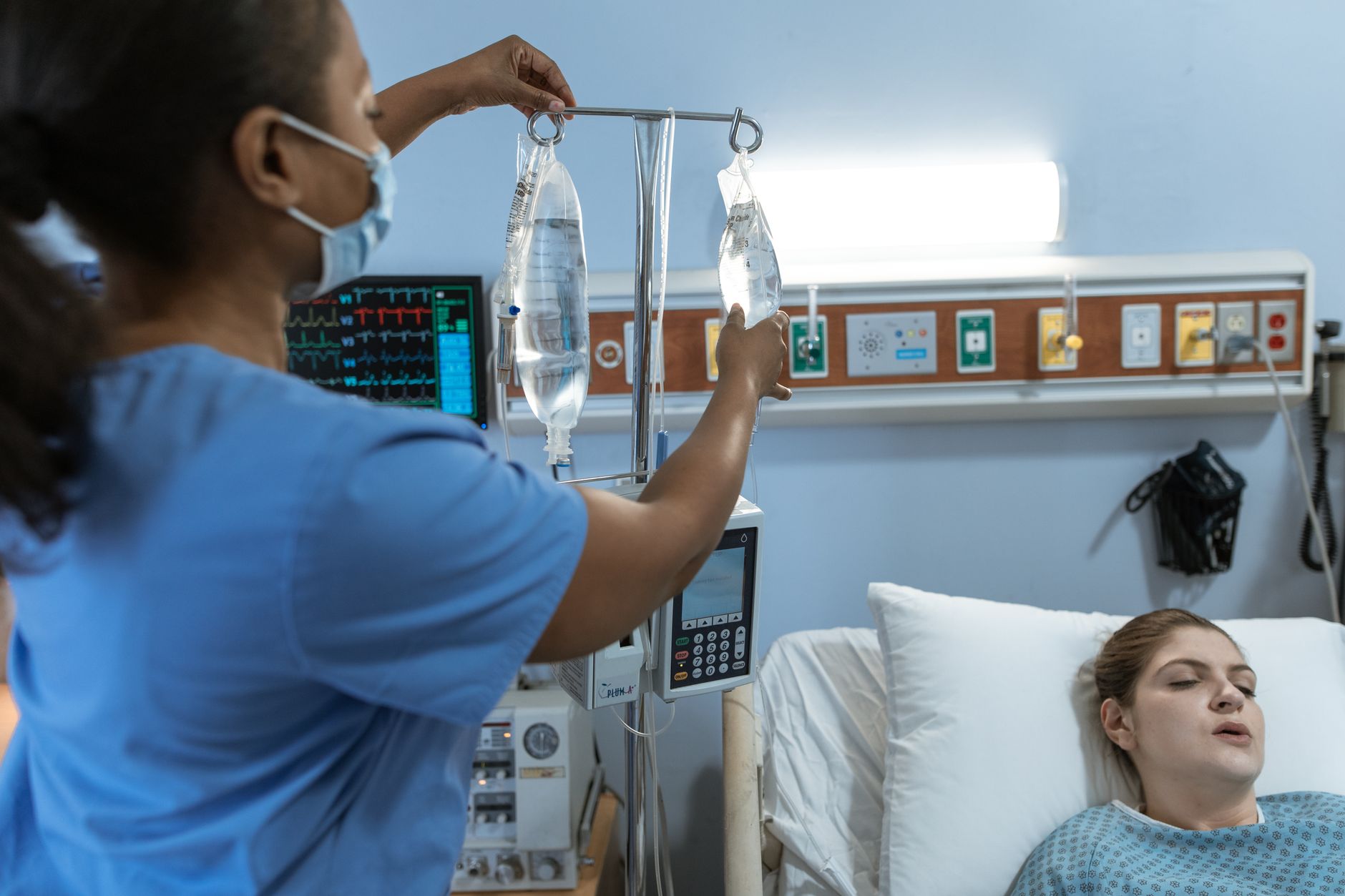
- In a prospective emergency-department study, 28.7% of cancer patients were thiamine-deficient versus 8.5% of non-cancer controls — roughly 1 in 4, and about three times the control rate.1
- In sicker, selected inpatients — those with delirium or referred for a psychiatric consult — the rate climbs to 45–55%.23
- It gets missed because low B1 looks like the disease: confusion, neuropathy, and in the extreme, Wernicke’s encephalopathy — easily blamed on chemo, delirium, or brain metastases.4
- The honest takeaway is not “everyone with cancer should megadose B1.” It is: this deficiency is common, missed, and worth screening for and correcting with your oncology team — while blanket high-dose self-supplementation is unproven and possibly counterproductive.6
- How common it actually is
- The high-risk groups where it hits 1 in 2
- Why cancer drains thiamine in the first place
- Who is most at risk
- Why it gets missed — the mimicry problem
- What repletion looks like — and what the evidence really supports
- The honest caveat: why “more B1” is not automatically better
- What we still don’t know
- What this article is not saying
- References
How common it actually is
Start with the number that should not be as surprising as it is. In a 2025 prospective study run in an urban emergency department, researchers measured blood thiamine in 87 patients who had a cancer diagnosis and 71 patients who did not. Thiamine deficiency turned up in 28.7% of the oncology patients — call it one in four — against 8.5% of the controls.1 That is an odds ratio of roughly three: cancer patients were about three times as likely to be running low on vitamin B1 (thiamine, the water-soluble vitamin your cells need to burn glucose for energy). And not one of the deficient cancer patients in that study received thiamine in the emergency department.1
Hold both halves of that finding together, because the gap between them is the whole story. The deficiency is common — common enough that if you screened a waiting room of cancer patients, you would expect to flag a quarter of them. And the response was zero. The signal is loud; the system is not listening for it. This is a single-center study with modest numbers, so the precise 28.7% should be read as “roughly one in four in this population,” not a fixed national rate. But the direction and the size of the gap line up with everything else in the literature, and that consistency is what makes it worth your attention rather than a statistical curiosity. For the broader picture of where micronutrient gaps actually matter, our supplements coverage works the same way: signal first, hype last.
One in four. That is not a rounding error or a rare-disease footnote — it is a screening gap hiding in plain sight in oncology clinics.
The high-risk groups where it hits 1 in 2
The one-in-four figure is the general-oncology baseline. Narrow the lens to the sickest, most symptomatic patients and the signal it pulls gets dramatically stronger. In a single-site prevalence study of 217 hospitalized cancer patients referred for psychiatric consultation, thiamine deficiency was found in 55.3% — more than half.2 Strikingly, the deficiency showed up even in patients who were normal weight or overweight, even in the absence of other vitamin deficiencies, and even in some who were already taking a multivitamin. So this is not simply “thin, starving patients are low on everything.” Something about the cancer state itself is burning through B1 faster than ordinary intake replaces it.
A separate retrospective study zeroed in on the most alarming presentation: cancer patients who had developed delirium. Among 71 such patients, 45% were thiamine-deficient.3 Delirium — the acute, fluctuating confusion that frightens families and complicates every treatment decision — is one of the classic faces of low thiamine. When nearly half of a delirious cancer cohort is deficient, “could this be B1?” stops being an exotic question and becomes one that earns a place on the checklist.
patients deficient
vs 8.5% of controls
with delirium
retrospective cohort
referral inpatients
even in well-nourished patients
Why cancer drains thiamine in the first place
Thiamine is a cofactor — a required helper molecule — for the enzymes that pull energy out of glucose. Without enough of it, cells that lean hard on glucose metabolism (neurons, especially) start to fail. That is the mechanism section, so here is the precise version: thiamine, as thiamine pyrophosphate, sits at the center of pyruvate dehydrogenase, alpha-ketoglutarate dehydrogenase, and transketolase activity — the gateways into and around the Krebs cycle. Starve those of their cofactor and aerobic energy production stalls in exactly the tissues that can least tolerate it.
Cancer attacks the thiamine supply from several directions at once. Reduced intake is the obvious one — nausea, vomiting, mucositis, and appetite loss during treatment all cut how much B1 goes in. Significant weight loss and malnutrition deplete the body’s already-small thiamine stores, which last only a couple of weeks. On top of that, rapidly dividing tumors are metabolically greedy and consume thiamine themselves, raising demand at the same moment supply is falling.4 And then there is the treatment itself. Fluorouracil (5-FU), one of the most widely used chemotherapy backbones, has been shown to interfere with thiamine metabolism — it appears to block the conversion of thiamine into its active phosphate form and to speed up thiamine turnover, which can tip a marginal patient into frank deficiency.5 Low intake, low stores, high tumor demand, and a drug that sabotages the vitamin’s activation: it is less surprising that one in four are deficient than that it took this long to measure.
Who is most at risk
The studies converge on a recognizable risk profile, and it is worth knowing if cancer is part of your life or a loved one’s. The signal it pulls is strongest in patients who are on fluorouracil-based chemotherapy, who have had significant weight loss, who are eating poorly or vomiting frequently, and who are in active treatment rather than in a stable, well-nourished phase.2 In the inpatient prevalence study, fluorouracil exposure, weight loss, and active treatment all tracked with higher deficiency rates.2 The delirium cohort found that chemotherapy within the previous two months was the one factor that held a statistically significant association with deficiency.3
Two further risk amplifiers belong on the list. Alcohol use is the classic non-cancer cause of thiamine deficiency, and it stacks on top of the cancer-driven depletion when both are present. And markers of poor nutritional state — low albumin, anemia — travelled with deficiency in the emergency-department data, which is to say the patients who looked nutritionally fragile on routine bloodwork were the ones more likely to be low on B1.1 None of this is a diagnosis you make at home. It is a pattern that should lower the threshold for a clinician to think about thiamine.
Why it gets missed — the mimicry problem
Here is the part that turns a common deficiency into a dangerous one. The symptoms of low thiamine — confusion, memory trouble, unsteadiness, eye-movement abnormalities, peripheral neuropathy — are the same symptoms a cancer patient is expected to have for a dozen other reasons. Confusion gets attributed to opioids, infection, electrolyte derangement, or delirium. Numbness and tingling get attributed to chemotherapy-induced peripheral neuropathy. New neurological signs get attributed, most ominously, to metastases reaching the brain.4
At the severe end of the spectrum sits Wernicke’s encephalopathy — the acute, potentially fatal brain syndrome caused by thiamine deficiency, classically presenting with confusion, eye-movement problems, and loss of coordination. A review of cancer patients described it bluntly as an underrecognized and reversible cause of confusional states in this population, noting that the diagnosis is routinely missed because so many other things can cause the same picture.4 The documented cases make the danger concrete: there are reports of Wernicke’s developing after fluorouracil-based chemotherapy, reversible once thiamine was given, where the neurological collapse could easily have been read as the cancer advancing.5 The cruelty of the mimicry is that the one cause on the list that is cheap and fast to fix is the one most likely to be overlooked.
A reversible, treatable vitamin deficiency that presents exactly like the untreatable thing everyone is already braced for — that is the worst possible setup for getting missed. The fix is not heroics. It is simply thinking of it: putting thiamine on the differential when a cancer patient becomes confused, neuropathic, or unsteady, instead of assuming the disease is the only explanation.
What repletion looks like — and what the evidence really supports
When deficiency is found, the correction is usually intravenous (IV, meaning delivered straight into a vein) thiamine, because gut absorption is unreliable in sick, vomiting, or malnourished patients. The honest read on how well it works is encouraging but built on low-quality evidence. In the delirium cohort, IV thiamine led to recovery in roughly 60% of the deficient patients who were treated — specifically about 19 of 32.3 In the Wernicke’s literature, prompt thiamine has reversed both the clinical syndrome and the brain-imaging findings within days when it was recognized in time.45
Read those numbers carefully. “Roughly 60% recovered” comes from a retrospective case series, not a randomized controlled trial — there is no placebo arm, no blinding, and patients with delirium can improve for many reasons at once. That is exactly why we grade IV repletion as emerging rather than proven: the biological logic is sound and the case-series signal is real, but the high-quality trial that would lock it in has not been done. What the evidence clearly does support is screening the right patients and correcting documented deficiency under medical supervision. What it does not support is treating IV thiamine as a guaranteed fix or, worse, as a reason to skip a proper neurological workup.
The honest caveat: why “more B1” is not automatically better
This is where most internet write-ups go off the rails, and where the house rule — name the trade-off — matters most. The intuitive leap is seductive: if deficiency is common and correcting it helps, surely every cancer patient should just take high-dose thiamine prophylactically. The evidence says: not so fast.
A 2022 systematic review examined thiamine’s relationship with tumor growth and described a genuinely dichotomous, dose-dependent effect. In the preclinical and review literature it surveyed, low doses of thiamine appeared to stimulate tumor growth, while only much higher doses showed growth suppression — and the picture was complicated enough that the authors framed it as a double-edged relationship rather than a clean “more is better” story.6 Thiamine is, after all, a cofactor for the very metabolic enzymes a hungry tumor relies on. Feeding a marginal supplement dose into that system is not obviously benign, and the honest answer is that we do not yet know the safe, optimal supplementation strategy for the general cancer population.
So the position is precise, and it is not a dodge. Correcting a documented deficiency in a symptomatic patient, under oncology supervision, is a defensible and often urgent clinical move. Blanket high-dose B1 supplementation for everyone with cancer — on the theory that more vitamin must be safer — is unproven and carries a plausible mechanism for harm. The two are not the same decision, and collapsing them is exactly the kind of hype this site exists to push back on.
The actionable conclusion here is about asking the question, not about reaching for a bottle. If you or someone you love is in cancer treatment — especially on a fluorouracil regimen, with weight loss, poor intake, or new confusion — the reasonable step is to raise thiamine with the oncology team and let them decide on testing and treatment. That is a clinical conversation, deliberately. The deeper map of how nutritional status, metabolic demand, and treatment interact — and where the real screening leverage is — is the kind of layered reference work the Manual is built for. See the Manual →
What we still don’t know
There is no large RCT on routine screening. Every prevalence figure in this article comes from single-center cohorts — prospective and retrospective — not from multicenter randomized trials. We know deficiency is common; we do not have trial-grade evidence that a universal screening program improves outcomes, though the cheapness and reversibility of the fix make the case attractive.
The repletion benefit is case-series-grade. The ~60% recovery figure is real but uncontrolled.3 No randomized trial has compared IV thiamine against placebo in deficient cancer patients with delirium, and the ethics of withholding treatment from a clearly deficient patient make such a trial hard to run.
The optimal dose and population for supplementation are genuinely unsettled. The dichotomous tumor-growth signal means we cannot confidently recommend a prophylactic dose for non-deficient patients, and the safe ceiling in active cancer is not well defined.6 “Correct documented deficiency under supervision” is well supported; “supplement everyone preventively” is not.
Diagnosis itself is imperfect. Blood thiamine measurement has real limitations, results can lag, and clinicians often have to treat empirically on suspicion rather than wait for a number. That diagnostic fuzziness is part of why the deficiency hides.
What this article is not saying
This is not “cancer patients are being neglected and you should panic.” It is a specific, fixable gap: a common, reversible deficiency that is under-screened because its symptoms blend into the disease. Naming the gap is how it gets closed.
This is not “start taking high-dose vitamin B1.” The dichotomous tumor-growth concern is exactly why blanket self-supplementation is the wrong reflex, and why this is a decision for an oncology team, not a supplement aisle.
And this is not medical advice. It is what the evidence shows — that thiamine deficiency in cancer patients is common, frequently missed, and worth screening for and correcting under clinical supervision. The decisions about testing, dosing, and timing are clinical ones, made with the people managing the cancer. If there is one thing to carry out of this piece, it is a single added question for that conversation: could this be thiamine?
References
- Boopathy D, Grahf D, Ross J, Ahmed N, Stoltz K, Miller J, et al. Thiamine Deficiency Is Common and Underrecognized in Emergency Department Oncology Patients. J Clin Med. 2025;14(1):257. DOI · PMID 39797340
- Isenberg-Grzeda E, Rahane S, DeRosa AP, Ellis J, Nicolson SE. High rate of thiamine deficiency among inpatients with cancer referred for psychiatric consultation: results of a single site prevalence study. Psychooncology. 2017;26(9):1384-1389. DOI · PMID 27228202
- Onishi H, Ishida M, Uchida N, Shintani D, Nishikawa T, Hasegawa K, et al. High proportion of thiamine deficiency in referred cancer patients with delirium: a retrospective descriptive study. Eur J Clin Nutr. 2021;75(10):1499-1505. DOI · PMID 33514871
- Kuo SH, Debnam JM, Fuller GN, de Groot J. Wernicke's encephalopathy: an underrecognized and reversible cause of confusional state in cancer patients. Oncology. 2009;76(1):10-18. DOI · PMID 19018150
- Cho IJ, Chang HJ, Lee KE, Won HS, Choi MY, Nam EM, et al. A case of Wernicke's encephalopathy following fluorouracil-based chemotherapy. J Korean Med Sci. 2009;24(4):747-750. DOI · PMID 19654964
- Queiroz Júnior NF, Steluti J, Marchioni DML. The Dichotomous Effect of Thiamine Supplementation on Tumorigenesis: A Systematic Review. Nutr Cancer. 2022;74(6):1942-1957. DOI · PMID 34854769