NAD+ IV Drips: Real Biology, Oversold Delivery
Walk into a wellness clinic and you can now buy an “NAD+ drip” for anywhere from $200 to $1,000 a session, sold for energy, anti-aging, brain fog, hangover recovery, even kicking addiction. Here is the uncomfortable split at the center of the trend: the underlying biology is genuinely real — NAD+ does decline with age and it really is central to how your cells make energy — while the delivery method being sold to you is almost entirely unproven. The honest version sits in that gap. This is what the human data actually shows, why an infused molecule may never reach the place the marketing promises, and whether the IV premium buys you anything an oral capsule doesn’t.
How this article was built: Primary sources: the Gallagher et al. 2026 PRISMA-guided systematic review of NAD+ supplementation in Ageing Research Reviews; the Covarrubias et al. 2020 mechanistic review in Nature Reviews Molecular Cell Biology; the Grant et al. 2019 human intravenous NAD+ pharmacokinetic pilot in Frontiers in Aging Neuroscience; the Hawkins et al. 2024 randomized placebo-controlled IV pilot; the Reyna et al. 2026 retrospective IV NAD+-versus-NR tolerability study in Frontiers in Aging; the Okabe et al. 2022 and Yi et al. 2023 randomized oral-NMN trials; and the Blum et al. 2022 substance-use-disorder infusion case series — all retrieved and verified through PubMed and the Consensus research database.
- The foundation is real. NAD+ genuinely declines with age and is central to how your cells produce energy — that part is established biology, not marketing.2
- The delivery is the weak link. When NAD+ is infused into a vein, it is cleared from the blood almost immediately — in one human study plasma NAD+ didn’t even budge for the first two hours.3
- Zero outcome trials. A 2026 systematic review found no controlled trials testing IV NAD+ itself for energy, anti-aging, or wellness — the marketed benefits rest on testimonials, not data.1
- The cheaper route works at least as well on paper. Oral NR and NMN reliably raise blood NAD+ markers in randomized trials, so the $200–$1,000 IV premium is hard to justify until better evidence lands.6
- Why the drip is suddenly everywhere
- The mechanism: why NAD+ matters at all
- The pharmacokinetic problem: where the molecule actually goes
- The energy and anti-aging claims
- The addiction claim
- What about the cheaper oral route?
- How to think about it: a tiered view
- What this article is not saying
- References
Why the drip is suddenly everywhere
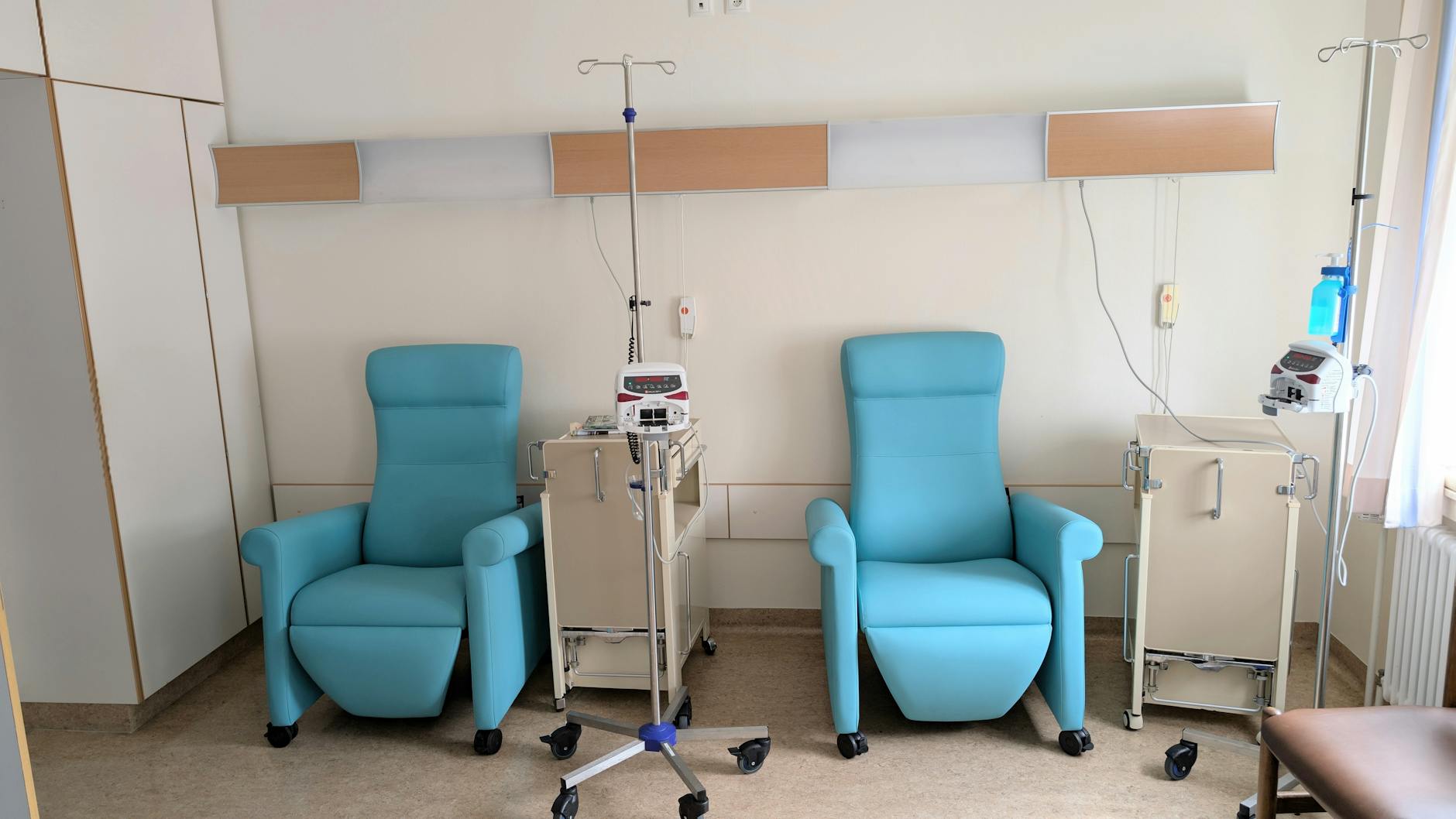
Over the last few years the IV bag migrated out of the hospital and into the strip-mall wellness clinic. Vitamin drips, “Myers’ cocktails,” hydration menus — and the priciest item on the board, the NAD+ infusion. You sit in a recliner for one to four hours while a bag of nicotinamide adenine dinucleotide drips into your arm, and you pay somewhere between a couple hundred and a thousand dollars for the privilege. The pitch is intoxicating: refill the molecule that fades as you age and you get your energy, your focus, and a slice of your youth back.
The reason this lands so cleanly is that it starts from a true premise. NAD+ really is a big deal in your cells, and it really does fall as you get older. That truth is doing a lot of work in the marketing — it lets a clinic gesture at a pile of legitimate biology while quietly skipping the part where that biology has never been shown to translate through an IV bag into the benefits on the menu. This piece lives in our biohacking coverage precisely because the NAD+ drip is a textbook case of real science wrapped around an unproven product.
This is not a takedown of NAD+ biology, which is some of the most interesting work in aging research. It is a hype-check on one specific delivery method being sold at a steep markup. Keep those two things separate as you read — the clinics depend on you blurring them.
The mechanism: why NAD+ matters at all
Nicotinamide adenine dinucleotide (NAD+) is a coenzyme present in every living cell. Its day job is to ferry electrons through the reactions that turn food into adenosine triphosphate (ATP), the cell’s energy currency — which is exactly why “central to energy metabolism” is not an exaggeration. Beyond that redox role, NAD+ is the fuel that a set of repair-and-maintenance enzymes burn through: the sirtuins involved in cellular housekeeping, the PARPs that patch damaged DNA, and CD38 in immune signaling.2 When NAD+ runs low, all of those systems run slower.
And NAD+ does run lower with time. Across rodents and humans, tissue and cellular NAD+ levels decline gradually with age, and that decline has been linked to several age-related conditions in the laboratory.2 That is the genuine, MODERATE-grade core of the whole field: the molecule is essential, and it fades. The reason this sits at MODERATE rather than STRONG is that the precise size of the human decline, how much it varies between tissues, and whether topping it back up changes anything you can feel are all still being worked out — the foundational biology is solid, but the leap from “NAD+ falls” to “therefore refill it by drip and you’ll feel younger” is where the evidence thins to almost nothing.
The marketing borrows the credibility of the molecule and spends it on the delivery method — two very different things wearing the same name.
The pharmacokinetic problem: where the molecule actually goes
Here is the question the brochure never answers: when you infuse NAD+ into a vein, does it actually get inside your cells and raise NAD+ where it counts? NAD+ is a large, charged molecule. Cell membranes don’t simply wave it through — the body generally has to break NAD+ down into smaller building blocks, move those into the cell, and rebuild NAD+ on the inside. An IV drip delivers the finished molecule to the bloodstream, not to the cell interior, and that distinction is the whole ballgame.
The most revealing human data comes from a 2019 pilot that infused NAD+ intravenously for six hours and tracked it in the blood and urine. The finding was striking: at the infusion rate used, plasma NAD+ and its metabolites showed essentially no change for the first two hours — the infused NAD+ was being rapidly and completely cleared from the circulation almost as fast as it went in.3 The metabolite pattern pointed to NAD+ being chopped up by enzymes in the blood, and by six hours the body was excreting NAD+ and a breakdown product in the urine.3 In plain terms: a meaningful share of what you pay for appears to get dismantled and partly flushed before it can do the job the menu describes.
That is the signal this molecule pulls when you push it into a vein — rapid clearance, not clean delivery. Crucially, no study has shown that an NAD+ infusion actually raises NAD+ inside human organs like muscle or brain, which is the thing that would have to happen for the energy and anti-aging claims to work. A randomized placebo-controlled pilot in 2024 did detect a rise in a blood NAD+ marker after infusion, but blood is not the same as tissue, and even there an intravenous precursor (NR) outperformed NAD+ itself on the blood reading.4 This is why “IV NAD+ meaningfully raises tissue NAD+” earns a WEAK grade: the mechanism is plausible on paper, the human pharmacokinetics actively work against it, and the tissue-level proof simply does not exist.
One more thing the chair sells you that the data confirms: the discomfort is real. NAD+ infusions are notoriously hard to tolerate at speed — push them too fast and people report chest tightness, flushing, and nausea, which is why a single bag can take one to four hours. A 2026 real-world comparison found that NAD+ IV recipients reported moderate-to-severe gastrointestinal symptoms, raised heart rate, and chest pressure during the infusion, averaging 97 minutes per session versus 37 minutes for an NR infusion that caused only minor tingling.5 The symptoms resolved when the drip stopped, and standard safety labs didn’t move — so this is a tolerability and value problem, not a major safety alarm. You are paying a premium to sit through the most uncomfortable version of NAD+ delivery.
The energy and anti-aging claims
Strip away the mechanism talk and the clinic is making a simple promise: you will have more energy and age more slowly. So what does the outcome evidence say? The cleanest answer comes from a 2026 PRISMA-guided systematic review that screened the entire NAD+ literature from 2010 onward — 113 eligible studies. Its verdict on the drip specifically is blunt: no eligible outcome trials evaluated intravenous or intramuscular NAD+ itself for anti-aging or wellness indications.1 Not weak trials. Not mixed trials. None.
That is the entire basis for the HYPE grade on “NAD+ drips boost energy and reverse aging.” A claim this confident, sold at this price, resting on zero controlled human outcome data, is the definition of hype in our grading rubric. What exists instead is a stack of testimonials, the placebo power of an hour in a recliner with a needle in your arm, and the genuine biology of NAD+ doing rhetorical duty it hasn’t earned. The same review notes that even NAD+ precursors — which have actual trials behind them — produced healthspan outcomes that were “heterogeneous and often null or endpoint-specific.”1 If the well-studied oral versions struggle to show you feel different, the unstudied IV version is selling certainty it has no right to.
The addiction claim
A subset of clinics market NAD+ infusions for substance-use recovery — reducing cravings and easing withdrawal. This claim has slightly more behind it than the energy pitch, but not much, and it’s worth being precise about why. The most-cited support is a case series of fifty people with substance use disorder who received NAD+ and amino-acid infusions and reported significant drops in craving, anxiety, and depression scores.8 Those numbers look dramatic on paper.
Read the design, though, and the WEAK grade explains itself. This was an uncontrolled, single-group case series — no placebo arm, no blinding, self-reported scores, and an infusion that combined NAD+ with several other ingredients, so you cannot isolate what did the work. People entering treatment and receiving daily attention tend to report feeling better regardless of the specific drug in the bag; that is exactly what a control group exists to rule out, and there wasn’t one. The authors themselves call for larger randomized, double-blind, placebo-controlled studies — which is researcher language for “this is preliminary.” There is a mechanistic rationale for NAD+ in the neurobiology of addiction worth taking seriously, but a promising rationale plus an uncontrolled case series is not a treatment. Anyone steering a vulnerable person toward a thousand-dollar infusion on this evidence is getting ahead of the data.
What about the cheaper oral route?
Here is the comparison that quietly undermines the entire IV business model. If the goal is to get more NAD+ into your system, swallowing a precursor — nicotinamide riboside (NR) or nicotinamide mononucleotide (NMN) — has a far better evidence base than the drip, at a fraction of the cost. In a randomized, placebo-controlled trial, 12 weeks of oral NMN significantly raised whole-blood NAD+ levels in healthy adults with no obvious adverse effects.6 A larger dose-ranging randomized trial found oral NMN reliably and dose-dependently increased blood NAD+ across 300–900 mg daily.7
That is a MODERATE-grade result, and the qualifier matters as much as the finding: these trials prove the precursors hit the biochemical target — they raise the blood marker — but the same systematic review that praised that target engagement found the downstream effects on how people actually function were heterogeneous and often null.1 So the honest hierarchy is: oral precursors reliably move the blood number and might do more; IV NAD+ doesn’t even have that. If a cheap daily capsule with real randomized data behind it raises your blood NAD+, the case for a $200–$1,000 infusion that gets cleared from your blood in hours becomes very hard to make. We dig into how the two precursors stack up against each other in our NMN-versus-NR breakdown, and into what the latest precursor research changed in our 2026 NAD+ and NMN review.
How to think about it: a tiered view
Place the options honestly on a spectrum of evidence, not on a spectrum of price — because right now the two run in opposite directions.
Foundational — the free levers first. NAD+ biology responds to the unglamorous basics. Exercise, adequate sleep, and not overloading the systems that consume NAD+ all support the salvage pathway your body already runs. None of this is sold in a recliner, and all of it has better long-term support than any infusion. This is the tier nearly everyone should actually start in.
Research-curious — an oral precursor. If you want to act on the NAD+ story, an oral NR or NMN precursor is the rung with real randomized data showing it raises the blood marker, at a daily cost closer to a coffee than a car payment.67 Treat it as a biochemically validated experiment, not a proven anti-aging therapy — the marker moves; the life-changing outcome is unproven.
Experimental — the IV drip. This is the most expensive, least proven, and most uncomfortable option on the menu. There are no controlled outcome trials, the infused molecule is cleared from the blood fast, and tissue-level uptake in humans is unestablished.13 If you do it anyway, do it knowing you are buying an experience and a hypothesis, not a result — and do it under genuine medical supervision, not from whoever has the cheapest menu.
The infusion chair, the slow drip, the hour of monitored stillness — it all feels like serious medicine, and that feeling is a large part of what you’re paying for. The science underneath it is quieter and far less settled. The Manual maps the NAD+ pathway in full — how precursors actually get metabolized, what the biomarker trials really measured, and where the honest line sits between proven biology and clinic marketing — so you can decide where, if anywhere, your money belongs. See the Manual →
What this article is not saying
This is not “NAD+ is fake.” NAD+ biology is real, important, and among the more exciting threads in aging research. The molecule declines with age and matters enormously to how your cells work — none of that is in dispute.
This is not “infusions never work.” IV delivery is the right tool for plenty of real medicine. The point is narrower: for the specific consumer-wellness claims attached to NAD+ drips — energy, anti-aging, addiction — the controlled human evidence is scarce-to-absent, and the pharmacokinetics actively undercut the premise.
And this is not financial or medical advice. It is a calibration. The biology earns your interest; the drip has not yet earned your money. If better trials arrive and show real tissue uptake and real outcomes, we will update this grade gladly. Until then, the honest read is: save the infusion budget, and watch the research instead.
References
- Gallagher C, et al. NAD+ supplementation for anti-aging and wellness: a PRISMA-guided systematic review of preclinical and clinical evidence. Ageing Res Rev. 2026. DOI
- Covarrubias AJ, Perrone R, Grozio A, Verdin E. NAD+ metabolism and its roles in cellular processes during ageing. Nat Rev Mol Cell Biol. 2021;22(2):119-141. DOI · PMID 33353981
- Grant R, Berg J, Mestayer R, et al. A Pilot Study Investigating Changes in the Human Plasma and Urine NAD+ Metabolome During a 6 Hour Intravenous Infusion of NAD+. Front Aging Neurosci. 2019;11:257. DOI · PMID 31572171
- Hawkins J, et al. Randomized, placebo-controlled, pilot clinical study evaluating acute Niagen+ IV and NAD+ IV in healthy adults. 2024 (preprint). DOI
- Reyna K, et al. Intravenous infusion of nicotinamide adenine dinucleotide (NAD+) versus nicotinamide riboside (NR): a retrospective tolerability pilot study in a real-world setting. Front Aging. 2026. DOI
- Okabe K, Yaku K, Uchida Y, et al. Oral Administration of Nicotinamide Mononucleotide Is Safe and Efficiently Increases Blood Nicotinamide Adenine Dinucleotide Levels in Healthy Subjects. Front Nutr. 2022;9:868640. DOI · PMID 35479740
- Yi L, Maier AB, Tao R, et al. The efficacy and safety of β-nicotinamide mononucleotide (NMN) supplementation in healthy middle-aged adults: a randomized, multicenter, double-blind, placebo-controlled, parallel-group, dose-dependent clinical trial. GeroScience. 2023;45(1):29-43. DOI · PMID 36482258
- Blum K, et al. Nicotinamide Adenine Dinucleotide (NAD+) and Enkephalinase Inhibition Infusions Significantly Attenuate Psychiatric Burden Sequelae in Substance Use Disorder in Fifty Cases. Curr Psychiatry Res Rev. 2022;18(2). DOI