Spermidine: The Autophagy Signal Your Fasting Depends On.
You've been doing the fasting. You've read the rapamycin coverage. What a 2024 Nature Cell Biology paper quietly established is that neither of those interventions can trigger autophagy without a polyamine your body makes in shrinking quantities as you age — and that most commercial supplements are dosed too low to bridge the gap.
- What spermidine is, and where it comes from
- The 2024 finding: spermidine as the required autophagy signal
- The eIF5A hypusination pathway, explained simply
- How spermidine levels change with age
- SmartAge and the cognitive RCT evidence
- The cardiovascular angle: POLYCAD trial
- Dietary sources vs. supplements — the dose problem
- A practical framework
- References
What spermidine is, and where it comes from
Spermidine is a polyamine — a small, positively charged molecule your cells synthesize from the amino acid ornithine via a tightly regulated biosynthetic pathway. Alongside putrescine and spermine, it belongs to a class of compounds so fundamental to cell function that they are conserved across virtually every living organism, from bacteria to humans.
The name is a relic of its 17th-century discovery in semen, but the biology has nothing to do with reproductive function specifically. Spermidine is present in every nucleated cell, concentrated in the nucleus, where its positive charge stabilizes negatively charged deoxyribonucleic acid (DNA) and influences chromatin structure. It plays roles in translation, cell proliferation, and — most relevantly to the longevity conversation — the regulation of autophagy.
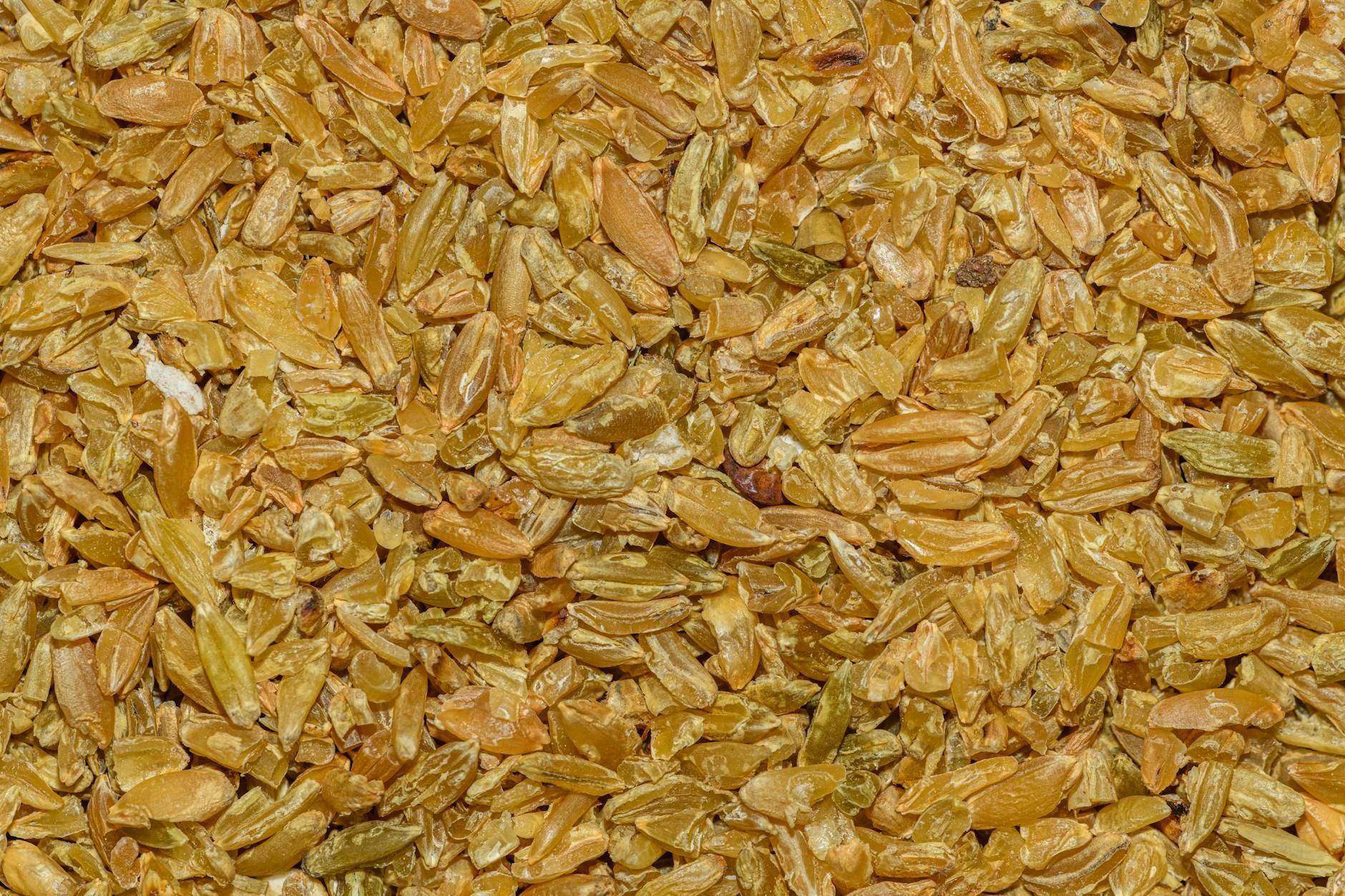
Your body both synthesizes spermidine internally and takes it in from food. Dietary sources are not trivial: wheat germ carries the highest concentration of any commonly eaten food, followed by aged cheeses, soy products (particularly natto and tempeh), mushrooms, broccoli, and corn. High-longevity dietary patterns — Mediterranean, Japanese — are incidentally rich in these foods, which has been used to partially explain their longevity associations independent of caloric content.
The 2024 finding: spermidine as the required autophagy signal
The conceptual status of spermidine changed substantially in August 2024, when Hofer, Madeo and colleagues published a paper in Nature Cell Biology with a direct and uncomfortable title: "Spermidine is essential for fasting-mediated autophagy and longevity" [1].
The core finding: fasting triggers autophagy — the cellular cleanup process that removes damaged proteins and organelles — but only when cellular spermidine levels are sufficient to support a downstream modification called hypusination of the translation factor eIF5A (eukaryotic initiation factor 5A). Without adequate spermidine, fasting failed to induce autophagy in the model organisms studied (yeast, C. elegans, Drosophila, and mice), and the lifespan-extending effects of caloric restriction were substantially blunted. Human cohort data in the same paper showed spermidine rises during fasting, consistent with the mechanism — but the causal intervention work is in non-human models.
A companion paper from the same group, published the same year, extended this finding to rapamycin [2]. The same mechanism applies: rapamycin inhibits mTORC1 (mechanistic target of rapamycin complex 1), which is one of the known autophagy suppressors — but the downstream autophagic response requires spermidine-dependent eIF5A hypusination to execute. Rapamycin without sufficient spermidine produces incomplete autophagy induction.
This is not a subtle peripheral finding. It reframes spermidine as an upstream gatekeeper rather than a parallel or additive longevity input. The interventions many people are already doing — intermittent fasting, time-restricted eating, rapamycin protocols — may be partially limited by the age-related decline in cellular spermidine that the intervention is meant to compensate for.
Spermidine is not the supplement you add to your longevity stack. It may be the molecular switch your other longevity interventions depend on to work at all.
The eIF5A hypusination pathway, explained simply
eIF5A is a translation factor — a protein that helps ribosomes produce other proteins from messenger ribonucleic acid (mRNA) templates. What makes eIF5A unusual is that it requires a rare post-translational modification to become active: a spermidine-derived modification called hypusination, in which a portion of the spermidine molecule is transferred directly onto eIF5A at a specific lysine residue.
Without hypusination, eIF5A cannot fulfill its role in the autophagy regulatory cascade. Specifically, the hypusinated form of eIF5A is required to translate the mRNA for autophagy-related proteins — the machinery that builds autophagosomes (the membrane vesicles that engulf cellular waste). If eIF5A cannot be hypusinated, those transcripts stall, autophagy machinery does not assemble efficiently, and the signal from fasting or mTOR inhibition fails to propagate into actual cellular cleanup.
The pathway runs approximately: fasting or rapamycin → mTORC1 suppression → autophagy-gene transcription → requires spermidine → eIF5A hypusination → autophagosome formation → cellular recycling. Spermidine sits in the middle of that chain, not at the bottom.
Critically, spermidine is the only known endogenous precursor for hypusination. There is no biochemical workaround. You cannot hypusinate eIF5A without it.
The Hofer/Madeo 2024 papers are mechanistic work in model organisms. They do not prove that supplemental spermidine increases autophagy in middle-aged humans at commercially available doses — a different and harder question. The mechanism is established. The dose-response relationship in humans is not yet fully characterized. Both things are true and both are worth knowing.
How spermidine levels change with age
Circulating and tissue spermidine decline measurably with age in humans. Madeo and colleagues documented this in a 2019 review in Autophagy, drawing on observational data from multiple cohorts: spermidine levels in blood and various tissues drop progressively from young adulthood onward, with the steepest declines observed from the fourth decade of life forward [5].
The mechanism for this decline involves a combination of factors: reduced biosynthetic enzyme activity (particularly ornithine decarboxylase, the rate-limiting step in polyamine synthesis), lower dietary intake as eating patterns shift with age, and altered gut microbiome composition — the microbiome is a significant source of luminal polyamines, and its decline in diversity with age reduces that production.
The age-related decline maps uncomfortably well onto the age at which the beneficial effects of fasting and caloric restriction appear to diminish in animal models. Whether this is causal or correlational has been the subject of ongoing debate — the 2024 mechanistic work tips the balance toward a causal interpretation, but the human longitudinal data for that specific claim does not yet exist.
Epidemiologically, populations with higher dietary spermidine intake show lower all-cause mortality in observational cohorts — most notably a large Austrian cohort (the EPIC-Potsdam-adjacent Graz study) that followed 829 participants for over 20 years and found graded inverse associations between estimated dietary spermidine intake and cardiovascular and all-cause mortality [6]. Observational data of this type cannot prove causation, but the signal is consistent with the mechanism.
SmartAge and the cognitive RCT evidence
The SmartAge trial is the best-powered human spermidine RCT to date. Published in JAMA Network Open in 2022, it enrolled 100 older adults with subjective cognitive decline — people who noticed memory difficulties but did not meet criteria for mild cognitive impairment (MCI) — and randomized them to either 0.9 mg/day of spermidine (from a wheat germ extract) or placebo for 12 months [3].
The primary outcome — memory performance on a composite score — did not reach statistical significance between groups in the full sample. This is the honest number, and it matters. Subgroup analyses suggested differential effects by baseline spermidine level and by adherence, but subgroup findings in a 100-person trial require replication to interpret.
The earlier, smaller Wirth 2018 RCT (n=30, same population, 3 months, 1.2 mg/day) showed a medium effect size for memory improvement with spermidine versus placebo, though the confidence interval in that pilot included zero [4]. The SmartAge investigators designed their trial partly to confirm that signal with better statistical power; the non-significant primary result suggests the effect size may be smaller than the pilot indicated, or limited to subgroups.
What both trials confirm: the intervention is safe at the doses tested, and there is a biologically plausible mechanism for cognitive benefit via autophagy-mediated clearance of misfolded proteins. The question of clinical magnitude in humans remains open.
0.9 mg/day of spermidine from wheat germ extract. This is at the lower end of what high-spermidine populations consume through diet, and well below the doses that have shown lifespan extension in animal models when adjusted for body mass. The question of whether a higher dietary- equivalent dose would produce stronger effects in humans is unanswered.
The cardiovascular angle: POLYCAD trial
The POLYCAD (POLYamine treatment in elderly patients with Coronary Artery Disease) trial is a Danish randomized controlled trial (RCT) currently ongoing, with results expected in 2026. It is testing spermidine supplementation in older patients with established coronary artery disease (CAD) — a population with confirmed atherosclerotic burden and higher baseline cardiovascular risk.
The rationale for the cardiovascular hypothesis comes from multiple directions: animal data showing spermidine supplementation reduces cardiac fibrosis and preserves heart function in aged mice; the observational mortality data in humans; and the autophagy-clearance mechanism, which is relevant to the lipid-laden macrophages (foam cells) that drive plaque progression [7].
POLYCAD is the first properly powered cardiovascular-outcome trial in this space. Until those results publish, the cardiovascular claim rests on animal data and observational associations — which is a weaker foundation than the cognitive or mechanistic literature.
Dietary sources vs. supplements — the dose problem
The dose gap between commercial supplements and what high-spermidine dietary patterns deliver is real and underappreciated. Consider the arithmetic: populations with habitually high spermidine intake — rural Italian, Japanese, certain Mediterranean cohorts — consume an estimated 10-15 mg of polyamines per day through food, with spermidine comprising roughly 30-40% of that total, putting dietary spermidine intake in the 3-6 mg/day range.
Most commercial spermidine supplements are dosed at 1-2 mg/day. The SmartAge trial used 0.9 mg/day and found a non-significant primary result. The arithmetic suggests that if there is a meaningful threshold dose, many supplements may sit below it.
The highest-concentration dietary sources:
- Wheat germ — approximately 2.4-3.6 mg per 100 g; a tablespoon delivers ~0.4 mg.
- Natto (fermented soybeans) — ~2 mg per 100 g; highest among fermented soy.
- Aged cheddar and Parmesan — ~0.6-1.2 mg per 100 g.
- Dried mushrooms (particularly shiitake) — variable but can reach 1 mg per 100 g dried weight.
- Broccoli, peas, and corn — lower concentration but significant contribution at typical serving sizes.
Building dietary spermidine toward the 3-5 mg/day range from these foods is achievable with deliberate choices — wheat germ on yogurt, natto as a weekly staple, aged cheese as a regular inclusion. For people who have already built longevity habits around fasting and low-processed-food diets, adding these sources specifically is a lower-friction intervention than most supplement protocols.
The supplement case is not closed. If dietary spermidine is genuinely insufficient due to gut dysbiosis, poor diet diversity, or advanced age (all of which reduce endogenous synthesis), supplementation may bridge a gap that food alone cannot close at practical eating volumes. Higher- dose extracts (3+ mg/day) exist; they have not been tested in clinical trials at those doses yet.
The highest-quality spermidine data points toward food first. The mechanism points toward dosing that most supplements don't reach. Both facts are worth holding at once.
A practical framework
We do not write protocols. We write frameworks to take to a clinician. With that established:
If you are already fasting or considering rapamycin for longevity, auditing your dietary spermidine intake first is a zero-cost, zero-risk starting point. Wheat germ, natto, and aged cheese added deliberately can bring you toward the 3-5 mg/day range that high-longevity populations reach through diet. This costs nothing and requires no new pharmaceutical relationship.
For those who cannot practically reach dietary targets — due to preference, gut issues, or eating patterns — a wheat-germ-extract supplement at 2-3 mg/day is the best-evidenced form. Confirm the elemental spermidine dose on the label, not just the extract weight. The safety profile at these doses is excellent across the published trials. No serious adverse events have been reported in any RCT.
If you are already on an intermittent fasting protocol or working with a clinician on rapamycin, adding spermidine as a dietary foundation for those interventions is mechanistically justified by the 2024 Hofer/Madeo data. The honest caution: whether human supplementation at commercially available doses can meaningfully raise tissue spermidine — not just serum polyamine levels — is not definitively answered.
Human dosing for autophagy induction — the specific tissue spermidine level required to enable eIF5A hypusination at meaningful rates in an aging adult — has not been characterized in clinical trials. The mechanistic work is in model organisms. The dietary epidemiology is observational. The RCTs are underpowered and inconsistent. This is a genuine frontier, not a settled protocol.
References
- Hofer SJ, et al. Spermidine is essential for fasting-mediated autophagy and longevity. Nat Cell Biol. 2024;26(9):1571–1583. doi: 10.1038/s41556-024-01468-x. PMID 39117797.
- Hofer SJ, et al. A surge in endogenous spermidine is essential for rapamycin-induced autophagy and longevity. Autophagy. 2024;20(12):2824-2826. doi: 10.1080/15548627.2024.2396793. PMID 39212197.
- Schwarz C, et al. Effects of Spermidine Supplementation on Cognition and Biomarkers in Older Adults With Subjective Cognitive Decline (SmartAge): A Randomized Clinical Trial. JAMA Netw Open. 2022;5(5):e2213875. PMID 35616942.
- Wirth M, et al. The effect of spermidine on memory performance in older adults at risk for dementia: A randomized controlled trial. Cortex. 2018;109:181-188. PMID 30388439.
- Madeo F, et al. Spermidine: a physiological autophagy inducer acting as an anti-aging vitamin in humans? Autophagy. 2019;15(1):165-168. PMID 30306826.
- Kiechl S, et al. Higher spermidine intake is linked to lower mortality: a prospective population-based study. Am J Clin Nutr. 2018;108(2):371-380. PMID 29955838.
- POLYCAD Trial Protocol. POLYamine treatment in elderly patients with Coronary Artery Disease: a Danish randomized controlled trial. Trials. 2025. PMC12574056.
- Madeo F, et al. Spermidine in health and disease. Science. 2018;359(6374):eaan2788. PMID 29371440.
- Eisenberg T, et al. Cardioprotection and lifespan extension by the natural polyamine spermidine. Nat Med. 2016;22(12):1428-1438. PMID 27841876.
- Nishimura K, et al. Polyamine-hypusination of translation factor eIF5A is involved in maintenance of mitochondrial morphology. Mitochondrion. 2012;12(5):476-484. PMID 22521616.
- Park MH, Wolff EC. Hypusine, a polyamine-derived amino acid critical for eukaryotic translation. J Biol Chem. 2018;293(48):18515-18524. PMID 30373775.
- Muñoz-Esparza NC, et al. Polyamines in Food. Front Nutr. 2019;6:108. PMID 31396519.