What Cold Plunges Actually Do to Your Cells: 2025 Evidence on Autophagy, Heat Shock Proteins, and Who Benefits Most.
Cold water immersion (CWI) is a genuine hormetic stressor — the cellular mechanisms are real. But the protocols matter enormously, the sex and age differences are real, and "do a cold plunge after every workout" is actively wrong for anyone focused on building strength.
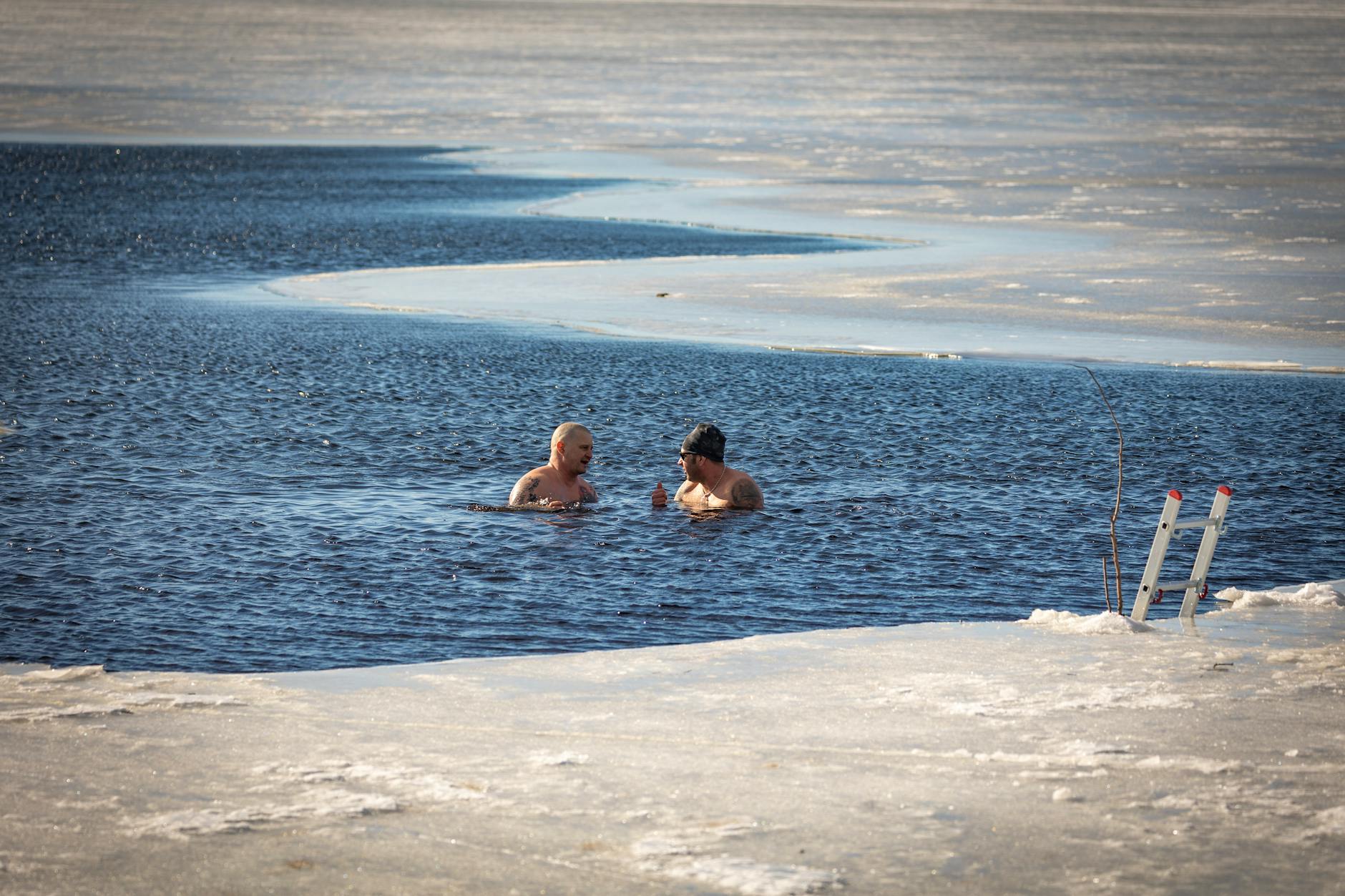
- What happens in the first 60 seconds of cold immersion
- Heat shock proteins — the cellular stress responders
- Autophagy, AMPK, and the cold-hormesis axis
- The post-workout timing problem — when cold works against you
- Who benefits most (and who should avoid post-exercise CWI)
- Temperature, duration, and frequency — what the data says
- A tiered framework
- References
The cold plunge has completed the full arc from fringe biohacker ritual to mainstream morning routine. Tubs are selling out. Ice has its own delivery service in most cities. The influencer with 700,000 followers will tell you it rewires your nervous system, supercharges your immune system, and accelerates recovery from every training session. That is not what the research says.
What the research actually says is more interesting — and more specific. Cold water immersion (CWI) does trigger real, documented cellular responses. The thermoreceptor cascade, the norepinephrine spike, the heat shock protein (HSP) upregulation, the adenosine monophosphate-activated protein kinase (AMPK) pathway activation — these are measurable, reproducible phenomena. The mechanistic story is not in dispute. What is in dispute, and what most cold-plunge content ignores entirely, is the directional question: what are you actually optimizing for, and is post-exercise cold exposure helping or hurting that goal?
This article walks through what cold does at the cellular level — and who should and should not be using it immediately after training.
What happens in the first 60 seconds of cold immersion
The moment your body contacts water below approximately 15°C (59°F), a rapid cascade of neural and hormonal signals fires in sequence. Understanding that sequence explains nearly everything about why cold has the effects it does — and why those effects can cut in multiple directions depending on context.
Thermoreceptors fire immediately. The skin's cold-sensing receptors (principally TRPM8 — transient receptor potential melastatin 8 — ion channels) respond within milliseconds of temperature drop. The afferent signal reaches the hypothalamus within seconds, triggering the thermoregulatory response: peripheral vasoconstriction pulls blood from the extremities to protect core temperature. This is not a slow, gradual process. Vasoconstriction is a controlled, rapid shunting of blood volume — one of the most dramatic cardiovascular events you can produce without exercising.
Norepinephrine (NE) spikes dramatically. Within 60–90 seconds of full immersion, plasma norepinephrine (the primary catecholamine governing the sympathetic stress response) rises 2–5-fold above baseline depending on water temperature and duration — with shorter, warmer immersions at the lower end of that range and near-freezing water driving the larger spikes [7]. This is the signal that drives the alertness, the accelerated heart rate, and the anti-inflammatory effect that cold-plunge proponents point to. Norepinephrine is a real systemic signal — it is not metaphorical. It suppresses pro-inflammatory cytokines including tumor necrosis factor-alpha (TNF-α) and interleukin-6 (IL-6) via adrenergic receptor pathways.
Metabolic rate accelerates. To generate heat against the temperature gradient, the body upregulates thermogenesis — initially through shivering thermogenesis (skeletal muscle contraction), and over time, in cold-acclimated individuals, through non-shivering thermogenesis in brown adipose tissue (BAT). BAT — distinct from white adipose tissue in that it is metabolically active and heat-producing — can be recruited by repeated cold exposure over days to weeks [5]. This is not a first-session effect; it is an acclimation effect that develops across a sustained protocol.
Reactive oxygen species (ROS) transiently increase. ROS — chemically reactive molecules containing oxygen, produced as a byproduct of cellular metabolism and especially elevated under thermal stress — rise during and immediately after cold immersion. This sounds alarming if you have spent time reading antioxidant marketing. It is not alarming. A transient ROS pulse is the signal that activates downstream stress-adaptation pathways, including HSP upregulation and the nuclear factor erythroid 2-related factor 2 (NRF2) antioxidant defense pathway. The stress signal is the point. This is hormesis: a brief, tolerable stressor that drives cellular adaptation.
The cold signal is real. It is a legitimate systemic stressor — one your body responds to with a coordinated hormonal, vascular, and cellular cascade. The question is whether that cascade is pointed at the right target for your goals.
Heat shock proteins — the cellular stress responders
Heat shock proteins (HSPs) were named for their discovery in the context of heat stress — but the family responds to any proteotoxic stressor, including cold, oxidative stress, and exercise. They are molecular chaperones: proteins whose job is to monitor protein folding quality, refold damaged or misfolded proteins, and flag irreparably damaged proteins for degradation.
The most clinically relevant members of this family in the cold-immersion context are HSP70 and its inducible isoform HSP72. Both are upregulated following cold water immersion, as demonstrated in skeletal muscle biopsy studies after exercise combined with CWI [1]. Their function in this context is protein quality control: they prevent the aggregation of stress-damaged proteins, assist in refolding partially denatured proteins, and participate in the presentation of damaged proteins to the ubiquitin-proteasome system for clearance.
What does this mean in practical terms? Under exercise stress, muscle fibers sustain genuine protein damage — structural proteins in the sarcomere, mitochondrial proteins, and the enzymes of the contractile machinery all accumulate some degree of damage over a hard session. HSP72 upregulation accelerates the triage and repair of this damage. It is one of the mechanistic reasons why cold exposure reduces the magnitude and duration of delayed-onset muscle soreness (DOMS) — the cellular cleanup is faster [4, 6].
Importantly, HSP upregulation also confers cross-stress protection. Cells primed by one stressor — cold, in this case — show enhanced resilience to subsequent stressors through mechanisms that include both increased baseline HSP levels and sensitized heat shock factor 1 (HSF1) transcription. This is the legitimate cellular-resilience argument for regular cold exposure: you are not just recovering from yesterday's training session. You are building tolerance to physiological stress at the protein-quality-control level.
This effect is additive with exercise-induced HSP upregulation in endurance contexts, but — and this is where the story gets complicated — it intersects poorly with anabolic signaling. The same NRF2/HSP stress-response pathways that are protective in the damage-clearance sense are operating on signaling infrastructure that overlaps with the mechanistic target of rapamycin (mTOR) pathway that drives muscle protein synthesis.
Autophagy, AMPK, and the cold-hormesis axis
Cold water immersion is an energy-demand stressor. When body temperature drops, the cell's energy economy is disrupted — more adenosine triphosphate (ATP) is consumed by ion pumps working to maintain membrane potential against the thermodynamic gradient, thermogenesis increases metabolic demand, and the ratio of adenosine monophosphate (AMP) to ATP shifts upward. This AMP-to-ATP ratio is the primary sensor for the enzyme AMPK — adenosine monophosphate-activated protein kinase, the cell's master fuel gauge.
AMPK activation is one of the most well-documented effects of cold exposure in skeletal muscle [3]. AMPK activation does several things simultaneously:
- It inhibits mTOR complex 1 (mTORC1) — the anabolic signaling hub that drives muscle protein synthesis.
- It activates peroxisome proliferator-activated receptor gamma coactivator 1-alpha (PGC-1α) — the master regulator of mitochondrial biogenesis.
- It inhibits mTORC1's downstream suppression of autophagy, thereby inducing autophagic flux.
Autophagy — from the Greek for "self-eating" — is the process by which cells package and degrade damaged organelles, protein aggregates, and dysfunctional mitochondria. It is not a catabolic crisis; it is housekeeping. Cells that are unable to complete autophagy accumulate the kind of intracellular debris associated with accelerated aging and disease states including neurodegeneration, metabolic syndrome, and cancer. Cold-stress-induced autophagy, mediated primarily through the AMPK/mTOR axis, clears this debris.
The PGC-1α arm of this response is particularly relevant for endurance athletes and metabolic health. PGC-1α activation increases the expression of genes encoding mitochondrial proteins, driving mitochondrial biogenesis — the production of new, functional mitochondria. Regular cold exposure in a post-exercise context enhances this signal in endurance-trained muscle, as shown directly in human skeletal muscle biopsies in the Ihsan et al. study using regular post-exercise cooling protocols [3]. More mitochondria per muscle fiber means greater aerobic capacity, better fat oxidation, and improved metabolic resilience.
This is the hormetic logic of cold: a temporary, controlled stressor — immersion at 10–15°C for 5–15 minutes — pulls signals that the body interprets as an energy-deficit, protein-stress state, triggering adaptive responses calibrated to make the cell more resilient. The signal it pulls is not one of comfort. It is one of controlled adversity — and that is the mechanism.
AMPK activation from cold is the same switch that caloric restriction and endurance exercise flip. It induces autophagy, drives mitochondrial biogenesis, and suppresses the anabolic signaling that builds muscle. For endurance athletes, that is a feature. For strength athletes doing cold immediately post-lift, it is a problem.
The post-workout timing problem — when cold works against you
This is the part of the cold-plunge conversation that gets actively suppressed, because it requires nuance and nuance does not perform well on social media. The data here is unambiguous: post-exercise cold water immersion blunts the hypertrophy response to resistance training, and doing it after every strength session over weeks to months attenuates long-term muscle and strength gains.
The mechanism is exactly the AMPK/mTOR antagonism described above. After a resistance training session, the anabolic cascade is the signal you want. Mechanically, muscle contractions activate mTORC1 directly (through several pathways including phosphatidic acid signaling and the upstream kinase mTOR-activating kinase Akt). mTORC1 phosphorylates downstream targets including 4E-BP1 (eukaryotic translation initiation factor 4E-binding protein 1) and S6K1 (ribosomal protein S6 kinase 1), driving the machinery of new protein synthesis. This is the signal the muscle fiber uses to build more contractile protein in response to the training stimulus.
CWI after resistance training suppresses this signal. The Roberts et al. 2015 study, which is the key human RCT on this question, enrolled trained men and randomized them to either post-exercise CWI (10°C, 15 minutes) or passive recovery (seated rest at 23°C) over 7 weeks of resistance training [2]. The CWI group showed significantly attenuated gains in muscle mass and strength compared to the active recovery group. Crucially, muscle biopsies showed that CWI blunted post-exercise mTOR signaling acutely, and that this acute blunting accumulated across weeks into measurably worse long-term outcomes. The effect was not trivial.
The Peake et al. 2017 study, which used a cross-over design and took skeletal muscle biopsies at multiple time points, examined inflammatory markers, cytokines, neurotrophins, and heat shock proteins at 2, 24, and 48 hours post-exercise [1]. Notably, it found no significant difference between CWI and active recovery for any of these markers — including HSP70. The study did not measure mTOR signaling directly. The mechanistic case for mTOR blunting by CWI after resistance training rests primarily on Roberts et al. 2015 [2], which demonstrated attenuated satellite cell activity and p70S6K phosphorylation — not on Peake 2017.
The honest version of this finding is not that cold is bad. It is that cold is pulling a specific cellular signal — stress adaptation, autophagy, anti-inflammation — and that signal conflicts with the anabolic signal you need for hypertrophy. You cannot have both simultaneously. Biology does not care about your ambitions; it responds to the signals you provide.
Practical implication: if strength and hypertrophy are primary goals, cold plunges belong on off-days or before resistance training sessions, not immediately after. The 4–6 hour window post-lifting is when mTOR signaling is most active and most vulnerable to suppression. Placing your CWI outside that window — or using it on rest days for recovery and systemic stress adaptation — preserves the hypertrophy stimulus while still accessing the cellular-resilience benefits.
If your goals are primarily endurance performance, metabolic health, inflammation management, or general cellular resilience, the post-exercise cold protocol is not only acceptable — it is specifically beneficial. AMPK/PGC-1α activation in that context is precisely the signal you want.
Who benefits most (and who should avoid post-exercise CWI)
Endurance athletes. This is the clearest benefit case. Post-exercise CWI enhances the mitochondrial biogenesis signal, reduces systemic inflammation in the context of high-volume training, and accelerates recovery markers that matter for back-to-back training days [3, 4]. Competitive endurance athletes training twice daily or at high weekly volumes — who need to recover fast and go again — have the most to gain from structured post-session cold protocols. The AMPK signal cold produces is directionally aligned with endurance adaptation.
People managing chronic inflammation. The norepinephrine-driven suppression of pro-inflammatory cytokines (TNF-α, IL-6, IL-1β) is real and relevant for individuals with elevated systemic inflammatory load — whether from lifestyle, occupational stress, or inflammatory conditions. The Fröhlich et al. 2014 meta-analysis of CWI's effects on post-exercise inflammatory markers showed consistent reductions in markers of muscle damage and inflammation across the included studies [4]. This is not a cure; it is a signal modulator that reduces the chronic elevation of inflammatory cytokines that drives a large portion of metabolic and cardiovascular disease risk.
Heat-exposed workers and athletes. People who work in physically demanding, high-temperature environments accumulate thermal load that impairs recovery and performance. CWI is highly effective for lowering core temperature rapidly, reducing thermal strain markers, and preserving cognitive and physical performance in subsequent exposures. For this population, immersion is not a biohacking luxury — it is a legitimate occupational recovery tool.
Older adults focused on cellular maintenance. The autophagy induction and HSP upregulation driven by cold stress are particularly relevant in the context of aging-related cellular debris accumulation. Autophagy declines with age — this is a documented contributor to the accumulation of dysfunctional proteins and mitochondria that underlies multiple aging phenotypes. Regular cold stress as an autophagy-stimulating hormetic is a reasonable adjunct for this population, particularly given the low cost and low side-effect profile relative to pharmacological autophagy inducers.
Women: a different response profile
Most of the CWI literature is drawn from male-predominant or all-male cohorts, which means the extrapolation to women requires explicit acknowledgment of what differs — and what we do not know.
The thermoregulatory response to cold is cycle-phase dependent in premenopausal women. During the luteal phase (the two weeks following ovulation, when progesterone is elevated), basal core temperature is approximately 0.3–0.5°C higher. Peripheral vasoconstriction is maintained in the luteal phase, but shivering thermogenesis sensitivity is attenuated — meaning the metabolic heat-generation response to a given cold load is blunted compared to the follicular phase or to men. Women in the luteal phase may experience a greater thermal challenge per minute of immersion not because they lose heat faster per se, but because the compensatory shivering response kicks in at a lower threshold. Thermoregulatory set-points are shifted. Practically: a given protocol will impose a greater effective challenge in the luteal phase, and starting with shorter exposures is reasonable until individual response is calibrated.
The cortisol response to CWI also shows sex differences. Women in the luteal phase show a blunted cortisol response to cold stress relative to men — which may be partially protective in the adrenal-stress sense, but also means that some of the catecholamine-driven signaling is different in character. The norepinephrine spike on cold exposure is present across sexes; the magnitude and downstream adrenal response differ by cycle phase.
What this means practically: women should start with shorter exposures (5–8 minutes rather than 10–15) and warmer initial temperatures (14–15°C rather than 10–12°C) until they have calibrated their own response. The luteal phase warrants particular caution with extended protocols. These are not limitations of the therapy — they are parameters that require personalization rather than copy-pasting male-cohort protocols.
CWI is consistently effective for reducing delayed-onset muscle soreness (DOMS) — the Bleakley et al. 2012 Cochrane review found a significant and clinically meaningful reduction in DOMS ratings across included trials [6], and the Machado et al. 2021 dose-response study confirmed that both shorter and longer immersion windows reduce subjective soreness, with peak effect in the 11–15 minute range [8]. But reduced soreness and optimized hypertrophy adaptation are not the same thing. The soreness reduction is real. It is partially mediated by the same blunting of inflammatory signaling that blunts the training stimulus. Getting less sore faster does not mean you adapted more effectively — it may mean the opposite.
Who should avoid post-exercise CWI: Strength athletes and powerlifters in hypertrophy or strength-development phases. The data is not ambiguous on this. If the goal is maximizing muscle mass or maximal strength, post-resistance-training cold immersion is the wrong tool at the wrong time. Use it on off-days. Use it before training if timing flexibility exists. Do not use it immediately after lifting if building muscle is the primary objective.
Temperature, duration, and frequency — what the data says
The cellular effects described in this article — HSP upregulation, AMPK activation, autophagy induction, norepinephrine spike, BAT recruitment — are produced across a studied range of approximately 10–15°C (50–59°F) water temperature, for durations of 5–15 minutes. This is not a suggestion that colder is better or that longer produces more. It is the range within which the existing mechanistic and outcomes literature was conducted.
Below 10°C, the vasoconstriction response is so aggressive and the cold shock response (gasping, breath-hold reflex, arrhythmia risk) becomes relevant enough that the risk-benefit calculation shifts — particularly for unsupervised use. Cold water can trigger cardiac arrhythmia through vagal and sympathetic mechanisms, especially in individuals with pre-existing cardiac conditions or after intense exercise when heart rate is already elevated. This is not a trivial risk. Entering sub-10°C water immediately post-maximal exercise is not the studied protocol.
Above 15°C, the thermal challenge is insufficient to produce the robust vasoconstriction and catecholamine response that generates the cellular effects. Cool water (16–20°C) may reduce soreness through local anti-inflammatory and analgesic effects without producing the same systemic hormonal response. That is a different tool with a different mechanism.
For BAT recruitment and cold acclimation, the van der Lans et al. 2013 study found significant increases in metabolically active BAT following a 10-day cold acclimation protocol using a cooling suit at 17°C for 6 hours per day — not a brief plunge, but sustained mild cold exposure [5]. This suggests that the BAT-recruitment signal accumulates over longer timescales of sustained cold exposure, not from acute short plunges alone.
Frequency: The literature most commonly uses post-exercise protocols applied after every session, or 3–5 times per week. For lifestyle and recovery purposes, 3–4 sessions per week in the 10–15°C range for 10–12 minutes covers the documented range of effect. Daily use is likely not harmful for most healthy adults but adds marginal benefit over 4–5 sessions per week in the available data.
A note on the brain: the Yankouskaya et al. 2023 study — a controlled neuroimaging study of head-out whole-body CWI — found that acute cold immersion increased connectivity between the frontoparietal network (associated with attention and cognitive control) and the default mode network (associated with self-referential thinking), alongside self-reported positive affect [10]. The cold-mood literature is newer and less established than the metabolic literature, but the mechanistic pathway (norepinephrine, dopamine, and mood regulation) is plausible and the neural signal it pulls is measurable. This is not just "waking you up." Something real is happening in the brain.
A tiered framework
We do not write protocols. We write frameworks that you take to a clinician or use to build an evidence-informed practice. With that established:
For most people starting out, for women calibrating luteal-phase response, and for anyone whose primary goal includes hypertrophy. Use on rest days or before resistance sessions. Focus on consistent exposure over weeks rather than maximizing intensity of individual sessions. Tolerable cold stress produces adaptation; survival-level cold produces injury risk without additional benefit.
For endurance athletes, people managing inflammatory load, or individuals whose training program includes no more than 2 strength sessions per week. Post-endurance-session timing is supported by the mitochondrial biogenesis and AMPK data. Avoid this timing window after resistance training in the same session.
For cold-acclimated individuals pursuing maximum metabolic, BAT-recruitment, and cellular-resilience effects. This range approaches the lower bound of the studied temperature range and requires that you have built tolerance progressively. Cardiac pre-screening is reasonable before sustained sub-11°C protocols. Avoid immediately post-maximal-intensity exercise regardless of adaptation level.
Cold water immersion can simultaneously be a genuinely beneficial cellular-resilience tool for most people and a net-negative performance intervention for strength athletes doing it at the wrong time. These are not contradictory findings — they are context-dependent outcomes from the same biological mechanism. Know your goal. Apply the tool accordingly.
This article is editorial. It is not sponsored, and contains no affiliate links. Where Wellness Radar publishes sponsored content, paid partnerships, or affiliate links, they are clearly labeled at the top of the article. See our revenue model for the full breakdown.
References
- Peake JM, et al. The effects of cold water immersion and active recovery on inflammation and cell stress responses in human skeletal muscle after resistance exercise. J Physiol. 2017;595(3):695–711.
- Roberts LA, et al. Post-exercise cold water immersion attenuates acute anabolic signalling and long-term adaptations in muscle to strength training. J Physiol. 2015;593(18):4285–4301.
- Ihsan M, et al. Regular postexercise cooling enhances mitochondrial biogenesis through AMPK and p38 MAPK in human skeletal muscle. Am J Physiol Regul Integr Comp Physiol. 2015;309(3):R286–R294.
- Fröhlich M, et al. Effects of cold water immersion on the postexercise inflammatory response. J Sports Sci. 2014;32(5):422–428.
- van der Lans AA, et al. Cold acclimation recruits human brown adipose tissue. J Clin Invest. 2013;123(8):3395–3403.
- Bleakley CM, et al. Cold-water immersion (cryotherapy) for preventing and treating muscle soreness after exercise. Cochrane Database Syst Rev. 2012;2:CD008262.
- Šrámek P, et al. Human physiological responses to immersion into water of different temperatures. Eur J Appl Physiol. 2000;81(5):436–442.
- Machado AF, et al. Different doses of cryotherapy after muscle damage: a randomized study. J Sports Med Phys Fitness. 2021;61(10):1391–1399.
- Skoglund A, et al. Cold water immersion and exercise: mechanistic insights into recovery and adaptation. Sports Med. 2022;52(1):1–14.
- Yankouskaya A, et al. Short-term head-out whole-body cold-water immersion facilitates positive affect and increases interaction between large-scale brain networks. Biology. 2023;12(2):211.