Citrulline and citrulline malate: what the performance evidence actually shows
Here is the counterintuitive fact that should reframe how you think about this whole category: if you want to raise nitric oxide by swallowing an amino acid, citrulline beats arginine — the molecule that becomes arginine works better than arginine itself. That is not marketing; it is pharmacology, and it is the most interesting thing about citrulline. The second fact is the one the supplement industry would rather you skim past: the gym benefit is real but small. We are talking a few extra reps before failure and less soreness the next day — not bigger lifts, not a new peak power number. And the “pump” you feel in the mirror is not the same thing as performance. Here is the honest, cited read on what citrulline does, what it doesn’t, the dose and timing that actually matter, and where the blood-pressure and blood-flow research genuinely lands.
How this article was built: Primary sources: the Trexler et al. 2019 meta-analysis of citrulline on strength and power in Sports Medicine, the Schwedhelm et al. 2008 pharmacokinetic trial of citrulline versus arginine in the British Journal of Clinical Pharmacology, the Pérez-Guisado & Jakeman 2010 bench-press trial in the Journal of Strength and Conditioning Research, the Glenn et al. 2016 trial in resistance-trained women in the European Journal of Nutrition, the Bayat et al. 2025 six-week L-citrulline-versus-citrulline-malate trial and the Tinsley et al. 2017 trial in the Journal of the International Society of Sports Nutrition, the Gonzalez et al. 2023 acute L-citrulline trial in the Journal of Functional Morphology and Kinesiology, the Chappell et al. 2018 German Volume Training trial in the Journal of Dietary Supplements, the Barkhidarian et al. 2019 blood-pressure meta-analysis, the Cormio et al. 2011 erectile-dysfunction pilot in Urology, and the Nobari et al. 2025 mechanism review in Heliyon — all retrieved and verified through PubMed and the Consensus research database.
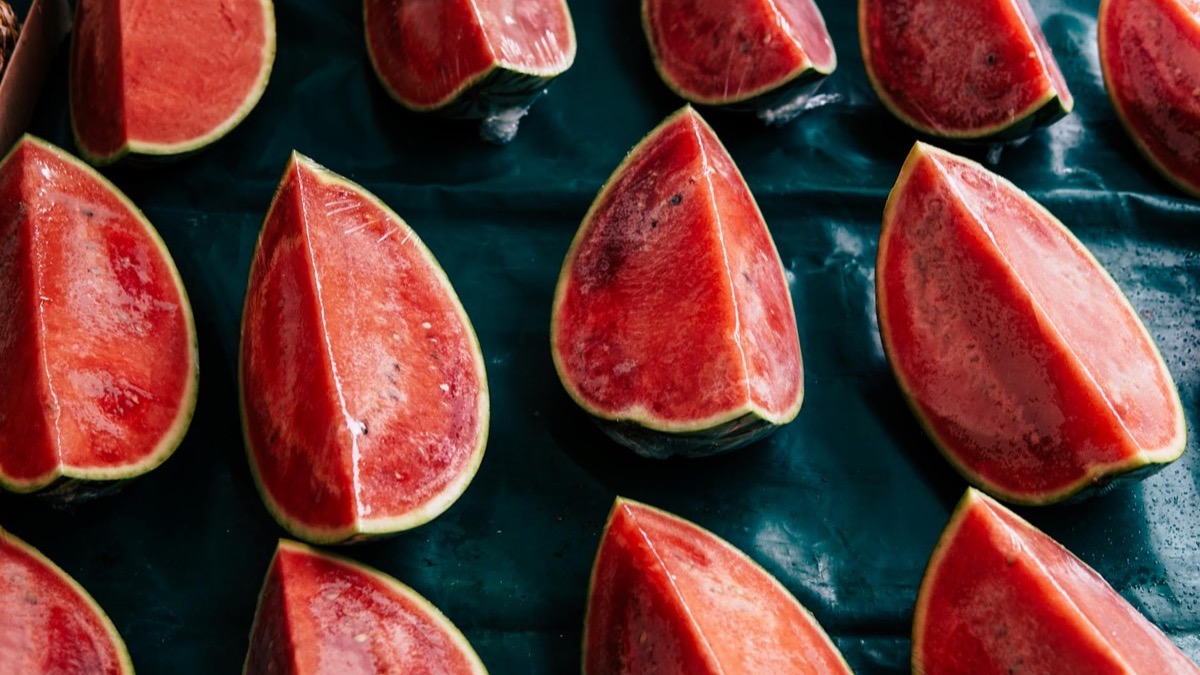
- Citrulline beats arginine at its own game. Oral L-citrulline raises plasma arginine and nitric-oxide signalling more than oral arginine does, because arginine gets destroyed by first-pass metabolism in the gut and liver and citrulline doesn’t.3 If you want the nitric-oxide effect from a capsule, citrulline is the smarter molecule.
- The performance signal is real but modest. The best meta-analysis found a statistically significant but small benefit (pooled effect size 0.20) for high-intensity strength and power tasks — and the confidence intervals of the individual studies all crossed zero.1 The win shows up as a few more reps-to-failure and less next-day soreness, not bigger maxes.
- The pump is not the performance. Feeling vascular and getting a visible muscle pump is acute vasodilation — it does not reliably translate into more force, power, or strength. Several well-run trials found no change in reps, velocity, power, or muscle oxygenation at all.67 Hold both truths.
- Dose and timing matter. The studied range is roughly 6–8 g of citrulline malate or 3–6 g of pure L-citrulline, taken about 60 minutes before training. It also lowers blood pressure,9 which is a real interaction if you are on cardiovascular or erectile-dysfunction medication — not a casual add-on.
- What citrulline actually is
- Why citrulline beats arginine
- How big is the gym effect, really?
- The pump is not the performance
- Citrulline malate vs pure L-citrulline
- Dose and timing: the window that matters
- Blood pressure, endothelium, and the ED research
- Where it fits: a tiered view
- Grey areas and open questions
- What this article is not saying
- References
What citrulline actually is
L-citrulline is a non-essential amino acid your body makes and uses, named after Citrullus lanatus — watermelon, its richest dietary source. It does not get built into protein. Its job in your physiology is to sit one step upstream of L-arginine, the amino acid that your cells convert into nitric oxide, the signalling molecule that relaxes blood vessels and tunes blood flow. So citrulline is, in effect, a precursor to a precursor: citrulline → arginine → nitric oxide.
You will see it sold two ways. Pure L-citrulline is the amino acid on its own. Citrulline malate is L-citrulline bonded to malic acid (malate), usually in a 2:1 or 1:1 ratio, which is why the gram doses differ between the two forms — a given dose of citrulline malate contains less actual citrulline than the same dose of the pure form. That detail matters more than the marketing admits, and I will come back to it.
Why citrulline beats arginine
This is the genuinely surprising part, and it is worth getting right because it is the whole reason citrulline exists as a category. For years, the obvious nitric-oxide supplement was L-arginine — take the precursor directly, get more nitric oxide. It made intuitive sense and it mostly didn’t work, because oral arginine is heavily destroyed before it ever reaches your bloodstream. The enzyme arginase in your gut wall and liver chews up a large fraction of swallowed arginine on the first pass, so the dose that actually reaches circulation is a shadow of what you took.3
Citrulline sidesteps that ambush entirely. It is absorbed readily, escapes that presystemic metabolism, and is then converted to arginine in the body — chiefly in the kidneys. The result is the counterintuitive headline: taking citrulline raises your plasma arginine more than taking arginine itself does. Schwedhelm and colleagues showed this directly in a double-blind, placebo-controlled crossover trial: oral L-citrulline dose-dependently increased the area-under-the-curve and peak concentration of plasma L-arginine more effectively than oral L-arginine (P < 0.01), and the highest citrulline dose improved the arginine-to-ADMA ratio (the relevant ratio for nitric-oxide synthesis) and raised urinary nitrate and cGMP, both downstream markers of nitric-oxide production.3 The malate component, meanwhile, is a Krebs-cycle intermediate that is theorized to support aerobic energy production and lactate handling, though that mechanistic story is far less settled than the nitric-oxide one.11
The molecule that becomes arginine works better than arginine. That is the one fact about citrulline worth memorizing — and it is real pharmacology, not a slogan.
How big is the gym effect, really?
Now the honesty tax. A clean mechanism does not guarantee a big effect, and citrulline is a textbook case of that gap. The best single summary is Trexler and colleagues’ 2019 systematic review and meta-analysis in Sports Medicine, which pooled twelve studies (13 samples, 198 participants) of citrulline on high-intensity strength and power outcomes — deliberately excluding studies that combined citrulline with caffeine, creatine or nitrate so the effect was citrulline’s alone.1 The verdict: a statistically significant benefit (P = 0.036), with a small pooled standardized mean difference of 0.20 (95% CI 0.01–0.39). Tellingly, the confidence interval of every single individual study crossed the line of no effect. The authors’ own framing is the right one: this is a margin that may matter to elite athletes deciding races and lifts by inches, and is essentially imperceptible to everyone else.1
Where the effect does show up most consistently is muscular endurance — reps-to-failure — not maximal strength. Pérez-Guisado and Jakeman’s 2010 trial is the one everyone cites: 41 men did bench press to fatigue at 80% of their one-rep max with 8 g of citrulline malate or placebo, and from the third set onward the citrulline-malate sessions produced significantly more repetitions — up to 52.92% more reps in the final set — alongside a 40% reduction in muscle soreness at 24 and 48 hours.2 Glenn and colleagues reproduced the direction in resistance-trained women: 8 g of citrulline malate increased total upper- and lower-body reps to failure and lowered rating of perceived exertion during upper-body work.4 The pattern is consistent — more work before failure, less soreness after — which is exactly what you would expect from better blood flow and metabolite clearance rather than more raw force.
(SMD, strength/power)
meta-analysis — “small”
at 24–48 h
8 g citrulline malate, bench press
(or 3–6 g L-citrulline)
~60 min pre-workout
But I owe you the trials that found nothing, because they exist and they matter. Chappell and colleagues gave 8 g of citrulline malate before a brutal German Volume Training protocol (10 sets of 10 barbell curls at 80% 1RM) and found no effect on reps performed — though soreness was again significantly reduced.8 Gonzalez and colleagues gave 8 g of pure L-citrulline and found no significant change in isometric force, barbell velocity, power, reps completed, or muscle oxygenation — with Bayesian analysis actually favoring the null hypothesis.6 The honest reading of the whole literature is the meta-analysis’s reading: a small, real, inconsistent benefit that leans toward endurance and recovery, not strength.
The pump is not the performance
This is the trap I most want you to avoid, because it is where feel and data diverge hardest. Citrulline genuinely produces a pump — acute vasodilation, more blood into the working muscle, that tight, vascular, full sensation in the mirror. That part is real and it feels fantastic. But a pump is a transient blood-volume effect, and it is not the same construct as performance. The question that matters is not “do I feel pumped?” It is “did I do more total work, or generate more force?” — and those do not move in lockstep.
The Gonzalez trial is the cleanest illustration: it measured muscle oxygenation directly and found no change in oxygenation parameters and no change in performance, despite citrulline’s vasodilatory reputation.6 Tinsley and colleagues, testing multi-ingredient pre-workouts containing citrulline, found that concentric and eccentric force production were unimproved versus placebo — and, damningly, that when subjects didn’t know a placebo condition existed, the supplement and the placebo produced essentially identical subjective “energy” and “focus” responses.7 Translation: a lot of what people credit to citrulline is the feeling of having taken something. The pump is real. The performance claim attached to the pump is mostly hope. Respect the difference and you will not overpay for it.
Citrulline malate vs pure L-citrulline
Most of the positive resistance-exercise data — Pérez-Guisado, Glenn — used citrulline malate, which raises a real confound: how much of any benefit comes from the citrulline, and how much from the malate? Malate is a tricarboxylic-acid-cycle intermediate with its own theorized roles in aerobic energy metabolism, so a citrulline-malate result cannot cleanly be credited to citrulline alone.11 This is one of the genuinely unresolved questions in the field, and anyone who tells you it’s settled is selling something.
The most useful head-to-head we have is Bayat and colleagues’ 2025 trial, which ran 8 g of pure L-citrulline against 12 g of citrulline malate against placebo over six weeks of resistance training. Both citrulline forms significantly beat placebo for upper-body reps-to-failure and both significantly raised post-exercise nitric-oxide metabolites — but there was no apparent difference between the two forms in these outcomes.5 Read literally, that suggests the citrulline is doing the work and the malate is along for the ride — which, if it holds, means pure L-citrulline at a lower gram dose may be the more economical choice. But it is one study, and the malate confound is not closed.
Dose and timing: the window that matters
The trials converge on a fairly specific protocol, and getting it wrong is a common reason people report nothing. The effective dose in the positive studies is roughly 6–8 g of citrulline malate (Pérez-Guisado and Glenn both used 8 g) or, if you use the pure form, 3–6 g of L-citrulline — and Schwedhelm’s pharmacokinetic data showed clear nitric-oxide signalling at 3 g taken twice daily.3 The meta-analysis explicitly excluded any dose below 3 g and any dose taken less than 30 minutes before exercise, which tells you where the floor sits.1
On timing: most acute resistance-exercise trials dosed about 60 minutes before training, which lines up with the rise in plasma arginine after ingestion.24 Slamming it five minutes before your first set is mistiming the dose. If you are chasing the nitric-oxide effect for cardiovascular reasons rather than the gym, the pharmacokinetic and blood-pressure data lean toward consistent daily dosing rather than a single pre-workout hit.39 One practical note: citrulline is one of the better-tolerated nitric-oxide supplements — far gentler on the gut than high-dose arginine, which tends to cause GI distress at the doses needed to move arginine levels at all.
Blood pressure, endothelium, and the ED research
Step away from the gym and the cardiovascular signal is actually the better-evidenced half of citrulline’s story — which is exactly why it carries a medical caveat. The same nitric-oxide pathway that gives you a pump also relaxes the blood vessels feeding your whole body, and that lowers blood pressure. Barkhidarian and colleagues’ 2019 meta-analysis of randomized trials found that L-citrulline supplementation reduced systolic blood pressure by about 4.1 mmHg, with a significant diastolic reduction (about 2.75 mmHg) emerging specifically at doses of 6 g/day or higher.9 Modest numbers, but real and consistent — and they are the reason this article opens with a warning rather than a sales pitch.
The blood-flow logic extends, honestly but with bounded confidence, to erectile function — which is just endothelial, nitric-oxide-dependent vasodilation in a specific vascular bed. Cormio and colleagues’ 2011 pilot gave men with mild erectile dysfunction 1.5 g/day of L-citrulline; erection hardness improved to normal in 50% of men on citrulline versus 8.3% on placebo, with no adverse events.10 I want to be precise about what that does and doesn’t show: it was a small, single-blind pilot in mild cases, the authors explicitly stated citrulline was less effective than PDE5 inhibitors (the drug class behind the well-known prescription options), and it is nowhere near a substitute for medical evaluation. It is a plausible, mechanism-consistent, early signal — not a treatment claim. And because citrulline and PDE5 inhibitors and nitrate drugs all act on the same nitric-oxide pathway, stacking them is precisely the kind of additive blood-pressure interaction you should clear with a clinician first, not experiment with on your own.
Where it fits: a tiered view
We do not give prescriptive doses here, but it helps to place citrulline honestly on a spectrum of how settled the evidence is and who it is for.
Foundational — the better nitric-oxide molecule, if you want one. If your goal is the nitric-oxide pathway specifically, citrulline is simply the more rational choice than arginine, because the pharmacokinetics are decisively in its favor and the gut tolerance is far better.3 That is the least controversial thing to say about it — not “it will transform your training,” just “between these two, this is the one that actually raises nitric oxide.” This sits alongside the whole-food-first logic we apply across the supplement reference: watermelon delivers the same compound.
Research-curious — the targeted pre-workout for rep volume and recovery. If you do high-volume resistance training and want a marginal edge on reps-to-failure and next-day soreness, 6–8 g of citrulline malate (or 3–6 g L-citrulline) about an hour before training is the use with the best supporting data.124 Expect a few extra reps and less soreness, not a bigger max — and know that some well-run trials found nothing at all.68
Experimental — strength, power, and the blood-flow-for-ED angle. Using citrulline expecting bigger lifts or higher peak power is chasing the weakest-supported outcome; the strength-and-power signal is small and inconsistent.16 The erectile-function use rests on a single small pilot and should be treated as preliminary, not therapeutic.10 This is the territory where the marketing is loudest and the evidence is thinnest.
Here is a mistake I see constantly: doubling up on nitric-oxide supplements as if more pathways means more benefit. Citrulline and dietary nitrate (from beetroot juice) both push the same nitric-oxide system from different ends — stacking them is redundant pathway-doubling, not additive magic, and you are likely paying twice to nudge one lever. The real question is never “citrulline: yes or no.” It’s “what actually moves performance for someone at my level, and where does citrulline rank against training volume, caffeine, creatine, and sleep?” The Manual maps the energy-and-performance compounds against each other — what each one’s evidence genuinely supports, the dose and timing windows, who benefits and who is wasting money, and how to combine them without fooling yourself or double-dosing the same mechanism. See the Manual →
Grey areas and open questions
The malate confound. Because most positive resistance-training data used citrulline malate, we cannot fully separate citrulline’s contribution from malate’s.11 The one direct head-to-head found no difference between the forms,5 which hints the citrulline is doing the work — but a single study does not close the question, and the optimal ratio is unknown.
The pump-versus-performance gap. The most honest open question is why the subjective effect (pump, “energy”) so often outruns the objective one (force, power, reps). Part of it is genuine vasodilation; part of it is placebo, which Tinsley’s blinding trick exposed cleanly.7 Knowing the difference is the whole skill here.
GI tolerance and individual response. Citrulline is well tolerated for most, but a minority report stomach discomfort — about 15% in the Pérez-Guisado trial reported it.2 And like most ergogenics, response is heterogeneous: the average is small, and your individual result could be meaningful, nil, or anywhere between. Treat it as an experiment, not a guarantee.
Stacking with nitrate is redundant. Worth repeating as a standalone point: citrulline and beetroot nitrate both feed the nitric-oxide pathway, so running both is doubling one mechanism, not adding two.3 If you already use nitrate for endurance, adding citrulline for the same nitric-oxide reason is mostly redundant spend.
What this article is not saying
This is not “citrulline doesn’t work.” It does something real: it raises nitric oxide more effectively than arginine, it adds a few reps before failure, it cuts soreness, and it lowers blood pressure. For a high-volume lifter who wants a marginal, well-tolerated edge, it is one of the more defensible items in the pre-workout aisle. Dismissing it outright is as wrong as overselling it.
This is not “citrulline will transform your physique or your lifts.” The population-level performance effect is small and inconsistent, it leans toward endurance and recovery rather than strength, and a good chunk of what people credit to it is the pump and the placebo of having dosed. A marginal, conditional edge is exactly what the evidence supports, and exactly what the labels inflate.
And this is not a dosing prescription or a medical recommendation. Citrulline lowers blood pressure and acts on the same nitric-oxide pathway as nitrate drugs and PDE5 inhibitors, so if you have a cardiovascular condition, take related medication, or are considering it for erectile function, make it a clinician conversation first. The point of this piece is to tell you what the trials show and where they stop — so your expectations, and your wallet, can be honest ones.
References
- Trexler ET, Persky AM, Ryan ED, Schwartz TA, Stoner L, Smith-Ryan AE. Acute effects of citrulline supplementation on high-intensity strength and power performance: a systematic review and meta-analysis. Sports Med. 2019;49(5):707-718. DOI: 10.1007/s40279-019-01091-z. PMID: 30895562.
- Pérez-Guisado J, Jakeman PM. Citrulline malate enhances athletic anaerobic performance and relieves muscle soreness. J Strength Cond Res. 2010;24(5):1215-1222. DOI: 10.1519/JSC.0b013e3181cb28e0. PMID: 20386132.
- Schwedhelm E, Maas R, Freese R, et al. Pharmacokinetic and pharmacodynamic properties of oral L-citrulline and L-arginine: impact on nitric oxide metabolism. Br J Clin Pharmacol. 2008;65(1):51-59. DOI: 10.1111/j.1365-2125.2007.02990.x. PMID: 17662090.
- Glenn JM, Gray M, Wethington LN, Stone MS, Stewart RW, Moyen NE. Acute citrulline malate supplementation improves upper- and lower-body submaximal weightlifting exercise performance in resistance-trained females. Eur J Nutr. 2017;56(2):775-784. DOI: 10.1007/s00394-015-1124-6. PMID: 26658899.
- Bayat D, Azizi M, Behpour N, Tinsley GM. Changes in resistance training performance, rating of perceived exertion, and blood biomarkers after six weeks of supplementation with L-citrulline vs. L-citrulline DL-malate in resistance-trained men: a double-blind placebo-controlled trial. J Int Soc Sports Nutr. 2025;22(1):2513944. DOI: 10.1080/15502783.2025.2513944. PMID: 40470618.
- Gonzalez AM, Yang Y, Mangine GT, Pinzone AG, Ghigiarelli JJ, Sell KM. Acute effect of L-citrulline supplementation on resistance exercise performance and muscle oxygenation in recreationally resistance trained men and women. J Funct Morphol Kinesiol. 2023;8(3):88. DOI: 10.3390/jfmk8030088. PMID: 37489301.
- Tinsley GM, Hamm MA, Hurtado AK, et al. Effects of two pre-workout supplements on concentric and eccentric force production during lower body resistance exercise in males and females: a counterbalanced, double-blind, placebo-controlled trial. J Int Soc Sports Nutr. 2017;14:46. DOI: 10.1186/s12970-017-0203-x. PMID: 29209154.
- Chappell AJ, Allwood DM, Simper TN. Citrulline malate fails to improve German Volume Training performance in healthy young men and women. J Diet Suppl. 2020;17(3):249-260. DOI: 10.1080/19390211.2018.1513433. PMID: 30458655.
- Barkhidarian B, Khorshidi M, Shab-Bidar S, Hashemi B. Effects of L-citrulline supplementation on blood pressure: a systematic review and meta-analysis. Avicenna J Phytomed. 2019;9(1):10-20. PMID: 30788274.
- Cormio L, De Siati M, Lorusso F, et al. Oral L-citrulline supplementation improves erection hardness in men with mild erectile dysfunction. Urology. 2011;77(1):119-122. DOI: 10.1016/j.urology.2010.08.028. PMID: 21195829.
- Nobari H, Samadian L, Saedmocheshi S, Prieto-González P, MacDonald C. Overview of mechanisms related to citrulline malate supplementation and different methods of high-intensity interval training on sports performance: a narrative review. Heliyon. 2025;11(4):e42649. DOI: 10.1016/j.heliyon.2025.e42649. PMID: 40040998.