Does creatine actually help your brain? The honest read on the cognition data.
Creatine is the most-studied supplement in existence — and "creatine for the brain" has become the internet's favorite nootropic claim. Some of it holds up. A lot of it doesn't. The headline memory meta-analysis was quietly corrected in 2023, the famous vegetarian result failed to replicate, but the sleep-deprivation and older-adult trials are real. Here's the line between signal and hype, and what 3–5 g/day will and won't do for your head.
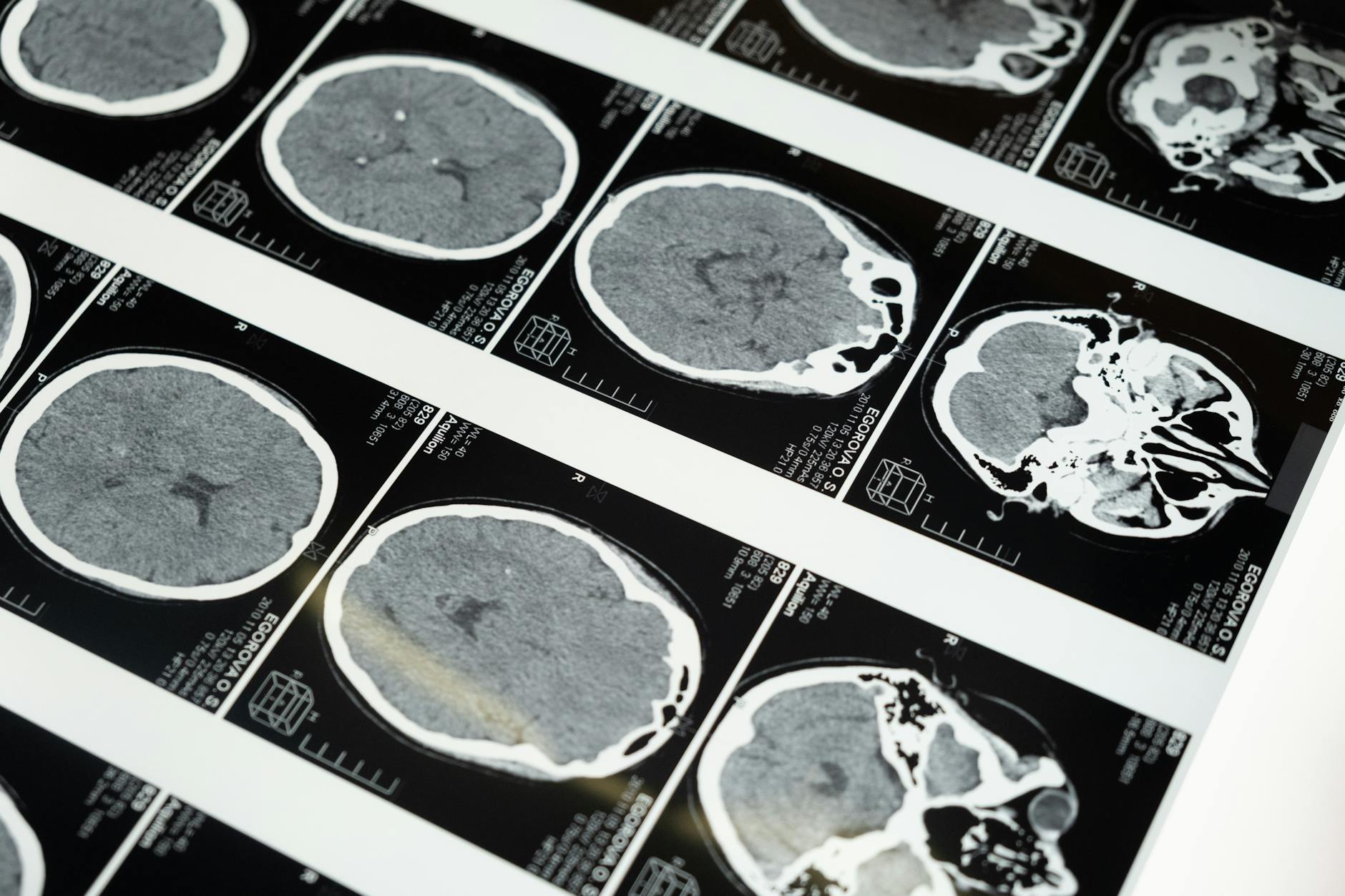
- Does creatine make you smarter? Not on a normal day. In well-rested, well-fed adults doing ordinary tasks, the measurable cognitive effect is close to zero.
- Where it works: energy stress and deficit. Under sleep deprivation a single high dose improved processing speed and reduced impairment, and in older adults (66–76) memory improves modestly — the most reliable signals in the literature.
- The memory hype was overstated. The 2022 meta-analysis that launched "creatine for memory" was corrected in 2023 for a double-counting error; after the fix, the young-adult benefit disappeared and the famous 2003 vegetarian result later failed to replicate.
- Who it's actually for: vegetarians/vegans, adults over ~50, and anyone running on chronic sleep debt. Dose is 3–5 g/day creatine monohydrate; the kidney scare is a myth in healthy people.
- Why creatine is not just a muscle supplement
- The phosphocreatine buffer system in neurons
- Does creatine improve memory? The meta-analysis that got corrected
- Sleep deprivation studies: the most compelling acute evidence
- Vegetarian and vegan populations: the contested RCT
- Aging, cognitive decline, and brain creatine measured by MRS
- Traumatic brain injury and neuroprotection
- Dosing, forms, and the kidney myth
- A tiered framework
- References
Why creatine is not just a muscle supplement
Creatine's reputation lives entirely in the weight room. Bulk up, recover faster, lift more. It is the best-studied sports supplement on the market and its muscle data are overwhelming [7]. What gets almost no attention is that the brain uses creatine for the exact same reason skeletal muscle does: rapid ATP (adenosine triphosphate) resynthesis under energy demand.
The brain accounts for roughly 2% of body mass and consumes approximately 20% of the body's total resting ATP production. That number goes higher during concentrated cognitive effort, emotional stress, and — critically — sleep deprivation. The brain is not a low-energy organ that can tolerate ATP shortfalls gracefully. It is an ATP-hungry system operating close to its energy ceiling, and it has built-in mechanisms to buffer demand spikes. The phosphocreatine system is the primary one [6].
Unlike glucose metabolism, which requires oxygen delivery and a multi-step enzymatic cascade, the PCr (phosphocreatine) buffer system regenerates ATP in a single enzymatic step in milliseconds. This is what makes it so valuable during acute demand — muscle contractions, action potential bursts in neurons, moments of rapid cognitive processing. The brain synthesizes its own creatine endogenously, and it imports additional creatine from circulation via specific transporters that cross the BBB (blood-brain barrier), though this passage is slower and more limited than uptake into muscle tissue [6].
The implication is direct: if dietary creatine intake is low (as in vegetarians and vegans), or if the brain's creatine pool is partially depleted by aging or high demand, supplementation has a plausible mechanism for improving cognitive function. The question is whether that mechanism translates into measurable human outcomes. The trials below address that question directly.
The phosphocreatine buffer system in neurons
The biochemistry here is worth understanding in some detail, because it explains why creatine's cognitive effects are situational rather than universal.
CK (creatine kinase) is the enzyme that drives the core reaction in both muscle and neural tissue: PCr + ADP (adenosine diphosphate) → ATP + free creatine. When a neuron fires rapidly, local ATP drops and ADP accumulates. CK converts stored PCr into ATP immediately, maintaining the energy charge while the slower mitochondrial oxidative phosphorylation pathway catches up. This is not a supplementary system — it is the primary buffer that prevents energy failure during acute neural activity [5, 6].
The brain contains multiple CK isoforms: the cytosolic BB-CK (brain-type creatine kinase) found in neurons and glia, and the mitochondrial isoform uMtCK (ubiquitous mitochondrial creatine kinase) in brain mitochondria. Together they form what researchers call the PCr shuttle, connecting mitochondrial ATP production to cytosolic sites of energy use [5].
What this means practically: when a cognitive task demands rapid sustained neural firing — complex working memory retrieval, sustained attention under fatigue, executive processing while sleep-deprived — the PCr buffer is what keeps performance from crashing in the short term. A neuron that runs out of PCr cannot immediately upregulate mitochondrial output fast enough. It stalls. Brain creatine content is the determinant of how deep and how long that PCr buffer is. Supplementation, particularly in populations where brain creatine is suboptimal, extends that buffer.
This is also why the cognitive effects of creatine are most pronounced in conditions of stress, deficit, or high demand — not in well-rested, well-nourished omnivores doing a routine memory task on a Tuesday afternoon.
Does creatine improve memory? The meta-analysis that got corrected
This is the question driving most of the "creatine as a nootropic" conversation, so it deserves a direct answer: for most healthy young adults, no — creatine does not reliably improve memory. The honest version of this story is more interesting than the marketing version, and it is a small case study in how a single statistical error can manufacture a supplement trend.
In 2022, Prokopidis and colleagues published a systematic review and meta-analysis in Nutrition Reviews pooling randomized trials of creatine and memory in healthy people [10]. The headline result — creatine improved memory overall (SMD 0.29) — was exactly the kind of clean, citable number that gets screenshotted into supplement threads and slapped onto product pages. "Clinically proven to improve memory." That meta-analysis is where a great deal of the current creatine-nootropic hype actually originated.
Then it got corrected. In 2023, Eckert and Pascher published a letter identifying a double-counting error: the analysis had pulled multiple memory outcomes from the same participants, artificially inflating statistical power and producing a false-positive overall effect [14]. The original authors agreed the criticism was valid and re-ran the numbers. After correction, the overall memory benefit vanished (SMD 0.19, 95% CI −0.07 to 0.46; p = 0.15 — not significant). Crucially, the young-adult subgroup (ages 11–31) showed no benefit whatsoever (SMD 0.02). The one signal that survived correction was in older adults aged 66–76, where the effect was both large and statistically robust (SMD 0.80, 95% CI 0.25–1.34). (That's the corrected analysis — most of the internet is still quoting the un-corrected 2022 number.)
The "creatine improves memory" headline came from a meta-analysis that was later corrected for a statistics error. After the fix, the benefit only held up in adults over 65. That's not the story on the supplement label.
A separate and larger 2024 meta-analysis by Xu and colleagues in Frontiers in Nutrition — 16 RCTs, 492 participants — landed in roughly the same place with a more granular read [11]. It found significant improvements in memory, attention time, and information processing speed, but no significant effect on overall cognition or executive function. The benefits were concentrated in people with underlying disease, in women, and in the 18–60 band rather than the youngest, healthiest subjects. The authors graded the memory evidence as moderate certainty and everything else as low certainty — code for "promising, not proven."
Put the two together and the memory verdict is clear: the deeper your baseline is below normal — older age, a dietary gap, a clinical condition — the more creatine has to give back. If you are a healthy 25-year-old eating meat and sleeping eight hours, do not buy creatine expecting your memory to sharpen. The evidence does not support that, and the most-cited number claiming it does has been retracted in everything but name.
Sleep deprivation studies: the most compelling acute evidence
The sleep deprivation literature is where the human evidence for creatine's cognitive effects is most striking. Two trials dominate this area.
McMorris and colleagues (2007) examined the effect of creatine supplementation on cognitive and psychomotor performance following 24 hours of sleep deprivation [2]. Participants received creatine monohydrate or placebo and were tested on a battery of tasks including random movement generation, backward digit span, and choice reaction time after a full night without sleep. The creatine group showed significantly better performance on complex tasks — particularly those dependent on prefrontal executive function — compared to placebo. Simple reaction time was not significantly different, consistent with the idea that creatine helps buffer energy demand during sustained complex processing rather than accelerating basic motor output.
Earlier work by Rawson and colleagues (2008) extended this picture. The key finding across the sleep deprivation literature is that creatine does not prevent performance decline from sleep loss — it attenuates it. The placebo group, as expected, showed deteriorating performance on complex cognitive tasks over the course of prolonged wakefulness. The creatine group showed smaller decrements. This is consistent with the PCr buffer explanation: under high neuroenergetic demand, more available brain creatine provides a larger buffer against the energy shortfalls that impair neural performance.
The most rigorous modern entry came in 2024. Gordji-Nejad and colleagues gave 15 sleep-deprived adults a single high dose of creatine monohydrate (0.35 g/kg — far above a normal daily dose) during 21 hours of wakefulness, tracking brain chemistry with phosphorus MRS [13]. According to PubMed, they found creatine measurably shifted cerebral high-energy phosphates, prevented a fatigue-driven drop in brain pH, and improved processing speed and cognitive performance versus placebo (DOI). A 2026 follow-up tested a lower 0.2 g/kg dose and still found reduced cognitive deterioration — up to a 12% improvement on some tasks — though weaker than the high dose, with women benefiting more than men. This is the first work to show that an acute, single creatine dose can reach the brain fast enough to matter, overturning the old assumption that only weeks of loading could move brain creatine.
These findings are the most mechanistically coherent human evidence for creatine as a cognitive aid. Sleep deprivation is a state of neuroenergetic stress. Creatine directly addresses one mechanism by which that stress degrades performance. The evidence is not that creatine makes you smarter — it is that creatine preserves cognitive function under conditions that would otherwise degrade it. A 2024 systematic review of the five qualifying sleep-loss trials reached the same cautious conclusion: modest, consistent benefit, biggest at longer durations of sleep loss, limited by small samples.
Creatine does not make you smarter on a well-rested Tuesday. It makes you less impaired on a sleep-deprived Thursday. That distinction matters enormously for understanding the evidence.
Vegetarian and vegan populations: the once-famous RCT that didn't replicate
Creatine is found almost exclusively in animal tissue — meat and fish. Dietary intake from these sources provides roughly 1 to 2 grams of creatine per day in omnivores. People who consume no animal products have essentially zero dietary creatine and rely entirely on endogenous biosynthesis from the amino acids arginine, glycine, and methionine. This matters because endogenous synthesis is substantial but not unlimited, and muscle and brain tissue creatine stores in vegetarians and vegans are measurably lower than in omnivores.
Rae and colleagues at the University of Oxford published what was, for two decades, the single most-cited RCT on creatine and cognition in 2003 [1]. Forty-five healthy young adult vegetarians were randomized to receive either 5 g/day of creatine monohydrate or placebo for six weeks. The creatine group showed statistically significant improvements on two key cognitive outcomes: backward digit span (a measure of working memory) and Raven's Progressive Matrices (a nonverbal measure of fluid intelligence). Effect sizes were meaningful, not marginal — and because it was a clean, placebo-controlled RCT in a population with a documented dietary creatine deficit, it became the headline citation for "creatine makes you smarter." The catch: the sample was tiny (n=45), and when a far larger, more rigorous trial finally tried to replicate it in 2023, the effect did not hold.
The Rae 2003 finding is remarkable for two reasons. First, the population was young and healthy — this was not about reversing cognitive decline. These were people in their twenties and thirties showing working memory and fluid intelligence improvements purely from addressing a dietary deficit. Second, the measures used — backward digit span and Raven's matrices — are robust psychometric instruments, not self-report questionnaires. The outcome data are objective.
What complicates the story: in 2023, a large RCT by Sandkühler and colleagues published in BMC Medicine (n>100) tested creatine supplementation in vegetarians using updated cognitive batteries and did not replicate the Rae 2003 working-memory advantage [9]. This is the most rigorous attempt to date to confirm Rae's finding, and it failed to do so. Combined with the small original sample size (n=45) and the two decades that passed before a high-powered replication was attempted, the vegetarian-cognition claim is no longer something we can grade as moderate or strong evidence. It is plausible, mechanistically coherent, and originally significant — but contested.
The magnitude of the original finding also contextualizes who might benefit most from creatine supplementation. The vegetarian result is not generalizable to omnivores with adequate dietary creatine. An omnivore who already consumes 1 to 2 grams of creatine daily from meat and fish is closer to saturation baseline; supplementation moves them less. A vegetarian or vegan starting from near zero has more theoretical room to benefit. This is not a reason for omnivores to avoid creatine — but it is a calibration on the size and certainty of any cognitive effect.
Subsequent work on vegetarian populations has been consistent in showing that supplemental creatine raises plasma and tissue creatine levels toward those seen in omnivores. Whether that biochemical normalization translates into measurable cognitive gains for vegetarians under everyday conditions is the open question — and the 2023 replication failure suggests caution about how confidently that link can be claimed [5, 9].
Aging, cognitive decline, and brain creatine measured by MRS
Brain creatine content declines measurably with age. This has been established using MRS (magnetic resonance spectroscopy), a non-invasive neuroimaging technique that can quantify neurometabolite concentrations in specific brain regions in living humans. MRS studies consistently show that total creatine (free creatine plus PCr) in the brain declines across the adult lifespan, with the steepest declines appearing in prefrontal regions — the areas most critical for executive function, working memory, and processing speed [3, 6].
This age-related decline in brain creatine coincides with the cognitive domains that are most reliably affected by normal aging: processing speed slows, working memory capacity decreases, and executive function becomes less flexible. The correlation between brain creatine and cognitive performance measures in aging adults is not proof of causation, but it is mechanistically coherent with what we know about the PCr buffer system.
Rawson and Venezia reviewed the available trial data on creatine supplementation in older adults in 2011 [3]. The picture from small RCTs in older populations showed improvements in processing speed and some memory measures following creatine supplementation. Effect sizes were modest but consistent. The review authors noted that larger, longer trials were needed — a gap that remains partly unfilled — but identified the signal as real and mechanistically plausible.
More recent work has refined this picture. Avgerinos and colleagues (2018) conducted a systematic review of creatine supplementation effects on cognitive function, finding that the clearest benefits appeared in older adults and in populations under cognitive stress [8]. Young healthy adults in normal conditions showed smaller or absent effects. This is entirely consistent with the deficit-correction and demand-buffering framework: aging creates a genuine neuroenergetic deficit that creatine supplementation can partially address.
For practical purposes, the aging data suggest that regular creatine supplementation in adults over 50 or 60 has a plausible and evidence-backed rationale for maintaining cognitive function, distinct from and additive to any muscle-preservation benefits from the same supplementation.
Traumatic brain injury and neuroprotection
A different line of evidence comes from TBI (traumatic brain injury) research, where creatine's role is neuroprotective rather than performance-enhancing.
The mechanism here is distinct from the PCr buffer story. Following a TBI, the injured brain region experiences a secondary energy crisis in the hours and days after the initial impact: mitochondrial dysfunction, ATP depletion, and excitotoxicity — the toxic buildup of excitatory glutamate that damages neurons when their ATP-dependent pumps fail. Creatine, by maintaining a larger PCr buffer, can reduce the depth of this secondary energy failure and limit downstream excitotoxic damage. This is animal-model data and mechanistic reasoning, but it has been tested in at least one pediatric human trial.
Sakellaris and colleagues (2006) administered creatine to 39 children and adolescents with severe TBI in an open-label, non-blinded pilot trial [4]. Participants who received creatine showed reduced duration of post-traumatic amnesia, reduced duration of ICU (intensive care unit) stay, and improvements on clinical outcome measures compared to controls. This is the most direct human evidence that creatine has neuroprotective effects beyond neuroenergetic buffering — but it must be read with appropriate caveats. It is a single small trial (n=39), it was open-label rather than placebo-controlled blinded, and nearly two decades have passed without a confirmatory replication in pediatric or adult TBI. That single-study status is why we grade this claim as Weak on the Evidence Radar despite its mechanistic plausibility.
The TBI data should not be extrapolated to general cognitive enhancement. The mechanism is specific to the energy crisis of acute brain injury, the trial population was severely injured pediatric patients, and the result is unreplicated. What the TBI literature does is keep open a mechanistically interesting line of inquiry that has — disappointingly — not been pursued with the rigor it deserves.
Dosing, forms, and the kidney myth
The dosing picture for cognitive use differs from muscle optimization in one important way: the brain takes longer to saturate with creatine than muscle does.
Muscle creatine loading — typically 20 g/day divided into four doses for 5 to 7 days — rapidly elevates muscle creatine stores to saturation. For cognitive applications, this loading strategy may be less critical. The brain's creatine transport across the BBB is slower and has lower capacity than muscle uptake. A consistent daily low dose reaches brain creatine saturation more gradually but arrives at the same endpoint. There is no strong evidence that a loading phase meaningfully accelerates cognitive benefit beyond what consistent daily dosing achieves over 4 to 6 weeks [3, 5].
The practical recommendation for cognitive use is 3 to 5 g of creatine monohydrate per day taken consistently with food. This is a maintenance dose, not a loading dose. Brain creatine saturation should be expected at 4 to 6 weeks of consistent use.
On creatine forms: creatine monohydrate is the gold standard. It has the most extensive evidence base, the lowest cost, and the highest clinical trial footprint. No alternative form has demonstrated superior outcomes for either muscle or brain endpoints. Creatine HCl and buffered creatine variants are marketed for better solubility or reduced GI side effects, but the effect data do not support superior outcomes. Creatine ethyl ester is the one form to actively avoid: it is poorly stable, degrades to the waste product creatinine before absorption in a significant proportion of the dose, and its outcome data are inferior to monohydrate [5, 7].
The most persistent concern about creatine supplementation is kidney damage. This concern is not supported by the evidence. The confusion arises because creatine supplementation raises serum creatinine — the primary kidney filtration marker used in blood panels — as a direct byproduct of creatine metabolism, not as a sign of kidney damage. In people with normal kidney function, this elevation is benign and expected. Decades of research, including controlled trials extending months to years and observational data in long-term supplement users, have found no evidence of kidney harm at standard doses (3 to 5 g/day) in healthy individuals [5, 6]. The only warranted caution is in people with pre-existing kidney disease, who should discuss any supplementation with a clinician before starting. For healthy adults, the kidney concern is a myth that laboratory context dispels.
Water retention is a real and common experience with creatine supplementation, particularly during an initial loading phase. Creatine is osmotically active: elevated intramuscular creatine draws water into muscle cells. This is transient, stabilizes within weeks, and is not a health concern. It produces a modest increase in body weight (typically 1 to 2 kg) that reflects intracellular hydration, not fat. At maintenance doses without loading, this effect is smaller.
What creatine will not do for the brain: it is not a stimulant. It does not produce the acute alertness shift of caffeine or the mood modulation of ashwagandha. It will not replace sleep — the sleep deprivation data show attenuation of impairment, not immunity to it. It will not fix depression or ADHD as a standalone intervention. Its effects are largest in populations with a genuine deficit (vegetarians, older adults) or under genuine neuroenergetic stress (sleep deprivation, intense cognitive load). In a well-rested, well-nourished omnivore doing a routine task, measurable acute cognitive improvement is unlikely.
A tiered framework
These tiers reflect the evidence gradient. They are frameworks for situating the research in a practical decision structure, not clinical guidance. Every individual decision is one to take to a clinician.
The clearest human RCT evidence favors supplementation in dietary creatine-deficient populations and older adults. If you consume no animal products, or if you are over 50, a daily 3 to 5 g dose of creatine monohydrate with a meal is low-risk and well-supported by existing trial data. No loading phase is needed for cognitive applications. Expect 4 to 6 weeks before brain creatine saturation is reached. Omnivores under 40 with no specific cognitive stressors may see smaller effects — the evidence for them is thinner.
Take 3 to 5 g of creatine monohydrate daily at a consistent time with food. Timing within the day is not critical for brain saturation — consistency matters more than the specific window. Combine with adequate dietary protein to support the amino acid precursors of endogenous creatine synthesis. Track self-reported cognitive markers — focus quality, processing clarity under load, fatigue resistance during demanding work — starting from week four. This is not a rapid-onset intervention; effects accumulate as brain creatine rises toward saturation.
For adults — particularly those over 50 — who want to stack the best-evidenced neuroprotective signals: 5 g/day creatine monohydrate combined with omega-3 DHA (docosahexaenoic acid, typically 1 to 2 g/day from fish or algae oil) for synergistic membrane and neuroenergetic support. Layer consistent resistance training: creatine plus exercise produces additive neuroprotective effects via BDNF (brain-derived neurotrophic factor) upregulation that neither produces independently. For sleep-deprived periods or cognitively demanding blocks, consistent creatine status at saturation is the relevant variable. There is no acute dose that accelerates the brain's creatine uptake — the brain's transport kinetics set the pace.
References
- Rae C, et al. Oral creatine monohydrate supplementation improves brain performance: a double-blind, placebo-controlled, cross-over trial. Proc R Soc Lond B Biol Sci. 2003;270(1529):2147-2150. PMID 14561278.
- McMorris T, et al. Effect of creatine supplementation and sleep deprivation, with mild exercise, on cognitive and psychomotor performance, mood state, and plasma concentrations of catecholamines and cortisol. Psychopharmacology. 2007;185(1):93-103. PMID 17684651.
- Rawson ES, Venezia AC. Use of creatine in the elderly and evidence for effects on cognitive function in young and old. Amino Acids. 2011;40(5):1349-1362. PMID 21401547.
- Sakellaris G, et al. Prevention of complications related to traumatic brain injury in children and adolescents with creatine administration: an open label randomized pilot study. J Child Neurol. 2006;21(8):661-664. PMID 16918931.
- Brosnan JT, Brosnan ME. Creatine: endogenous metabolite, dietary component and therapeutic agent. Annu Rev Nutr. 2007;27:241-261. PMID 17518510.
- Wyss M, Kaddurah-Daouk R. Creatine and creatinine metabolism. Physiol Rev. 2000;80(3):1107-1213. PMID 10893433.
- Lanhers C, et al. Creatine supplementation and upper limb strength performance: a systematic review and meta-analysis. Sports Med. 2017;47(1):163-173. PMID 27328852. (Primary muscle data; cognitive secondary outcomes noted in subgroup analyses.)
- Avgerinos KI, et al. Effects of creatine supplementation on cognitive function of healthy individuals: a systematic review of randomized controlled trials. Exp Gerontol. 2018;108:166-173. PMID 29704637.
- Sandkühler JF, et al. The effects of creatine supplementation on cognitive performance — a randomised controlled study. BMC Medicine. 2023;21(1):440. DOI · PMID 37968687. (Larger, more rigorous attempt at replicating Rae 2003 vegetarian benefit; failed to confirm the working-memory advantage.)
- Prokopidis K, et al. Effects of creatine supplementation on memory in healthy individuals: a systematic review and meta-analysis of randomized controlled trials. Nutrition Reviews. 2023;81(4):416-427. DOI · PMID 35984306. (Original 2022 pooled analysis; overall memory effect later corrected — see ref 14.)
- Xu C, et al. The effects of creatine supplementation on cognitive function in adults: a systematic review and meta-analysis. Frontiers in Nutrition. 2024;11:1424972. (16 RCTs, 492 participants; benefit on memory, attention, processing speed — not overall cognition or executive function.)
- Antonio J, et al. Common questions and misconceptions about creatine supplementation: what does the scientific evidence really show? J Int Soc Sports Nutr. 2021;18(1):13. PMID 33557850. (Position-stand review; confirms no kidney harm at standard doses in healthy adults.)
- Gordji-Nejad A, et al. Single dose creatine improves cognitive performance and induces changes in cerebral high energy phosphates during sleep deprivation. Scientific Reports. 2024;14:4937. DOI · PMID 38418482. (High single-dose acute sleep-deprivation RCT with MRS-confirmed brain energy-phosphate shift.)
- Eckert I, Pascher E. Letter to the Editor: Double-counting due to inadequate statistics leads to false-positive findings in "Effects of creatine supplementation on memory in healthy individuals." Nutrition Reviews. 2023;81(11):1495-1496. DOI · PMID 36644917. (The correction: after fixing the double-counting, the overall memory benefit lost significance; only the 66–76 subgroup survived.)