Psyllium fiber: the evidence on cholesterol, blood sugar, and your gut
Most supplements in the gut-and-metabolic aisle are running on a single small trial and a lot of optimism. Psyllium is the opposite problem: it is so well-studied, and the data so consistent, that the honest job is not hyping it but telling you exactly where it is genuinely strong and where the marketing has run ahead of the evidence. Decades of randomized trials and meta-analyses show that a few grams of this gel-forming husk before meals lowers LDL cholesterol, blunts the blood-sugar rise after eating, and — this is the underrated part — normalizes stool in both directions, loosening when you are constipated and firming when you are loose. Here is the cited read on what psyllium does, the doses the trials actually used, how to take it without sabotaging your other medications, and who should be careful.
How this article was built: Primary sources: the Wei et al. 2009 dose-response cholesterol meta-analysis in the European Journal of Clinical Nutrition, the Gibb et al. 2015 glycemic-control meta-analysis in the American Journal of Clinical Nutrition, the Willcox et al. 2021 overview of meta-analyses in Frontiers in Pharmacology, the McRorie et al. 2020 fiber review in the Journal of the American Association of Nurse Practitioners, the McRorie et al. 1998 psyllium-vs-docusate trial in Alimentary Pharmacology & Therapeutics, the Brum et al. 2016 satiety trials in Appetite, and the Ford et al. 2008 fiber-and-IBS meta-analysis in the BMJ — all retrieved and verified through PubMed and the Consensus research database.
- The cholesterol case is strong. In meta-analyses of randomized trials, psyllium lowered LDL cholesterol by about 0.28 mmol/L (~11 mg/dL) and total cholesterol by about 0.38 mmol/L, in a clear dose-dependent way — strong enough that it carries an FDA-authorized heart-disease-risk-reduction claim.1
- It works on blood sugar too — in proportion to how much control you have lost. Taken before meals, psyllium lowered fasting glucose by ~37 mg/dL and HbA1c by ~0.97% in people treated for type 2 diabetes, with little effect in people whose sugar was already normal.23
- It is the rare supplement that fixes stool both ways: its gel regulates stool water content, softening hard stool and firming loose stool.4 The doses the trials used run roughly 5 to 10 g/day.
- The honest weak spot is weight. Psyllium genuinely increases fullness short-term, but it is not a meaningful standalone weight-loss tool.6 And take it with a full glass of water, separated in time from other medications — the same gel that does the good also slows drug absorption.
- What psyllium actually is
- The mechanism: one gel, many jobs
- The cholesterol evidence (the strong one)
- Blood sugar: effect scales with your loss of control
- The gut: normalizing stool in both directions
- Weight and satiety: the honest weak spot
- Dose, timing, and taking it safely
- Where it fits: a tiered view
- Grey areas and open questions
- What this article is not saying
- References
What psyllium actually is
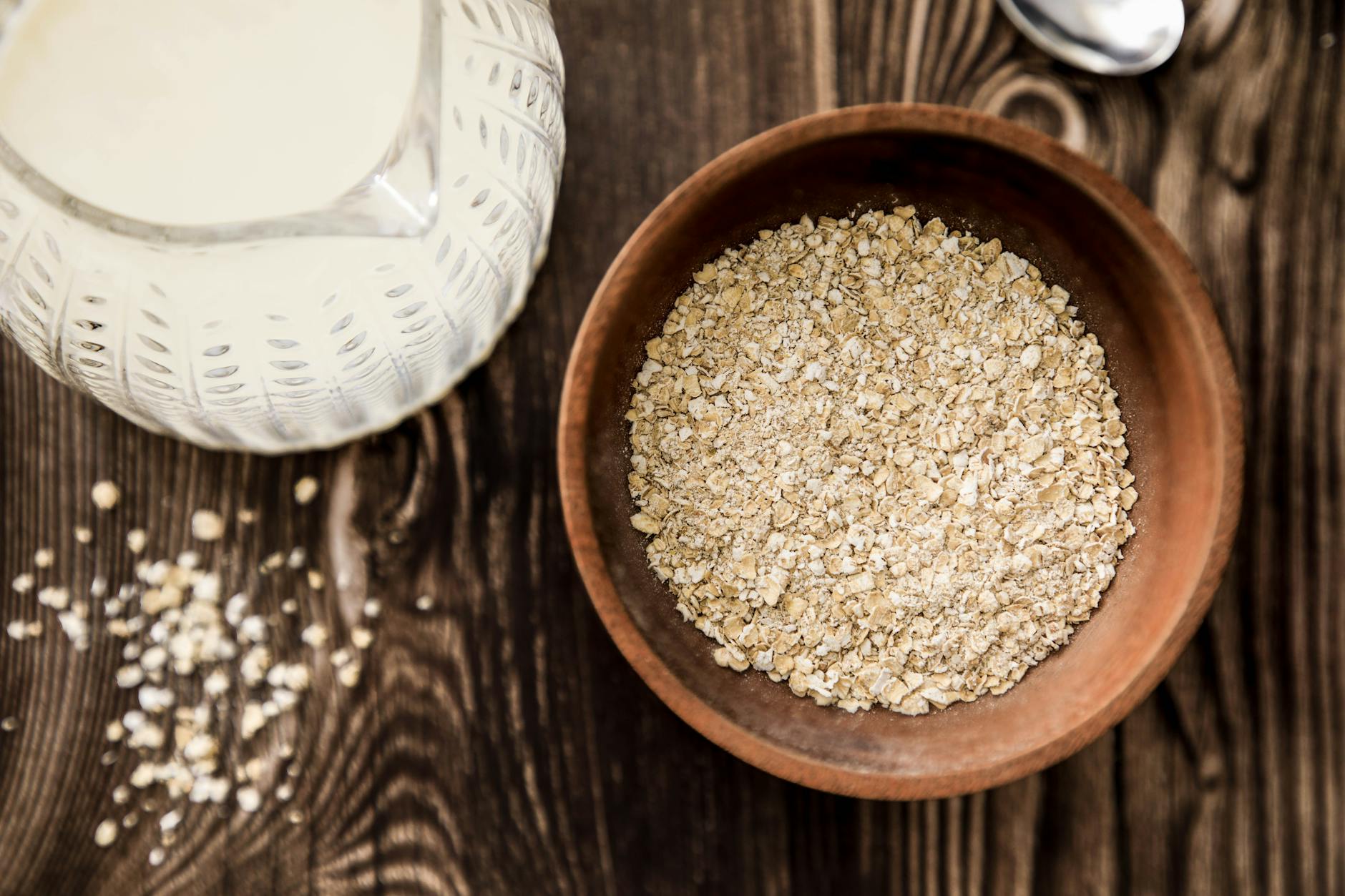
Psyllium is the husk of the seed of Plantago ovata, a plant grown mostly in India. You almost certainly know it under a brand name — it is the active fiber in Metamucil and in most generic "fiber for regularity" powders — but stripped of the marketing it is simply a soluble, gel-forming dietary fiber. That phrase is doing a lot of work, so it is worth unpacking: soluble means it dissolves and hydrates in water rather than passing through dry; gel-forming means that once hydrated it becomes a thick, viscous gel; and — crucially — it is largely non-fermented, meaning the bacteria in your colon do not rapidly break it down into gas.4
That last property is what separates psyllium from a lot of other fiber supplements. Many "fibers" sold for gut health (inulin, wheat dextrin, and others) are rapidly fermented, which is why they can produce bloating and gas without doing much for stool. Psyllium holds its gel intact most of the way through the gut, and it is that intact, water-holding gel — not fermentation — that drives nearly every benefit below. One compound, one physical property, several different-looking outcomes.
The mechanism: one gel, many jobs
The elegant thing about psyllium is that its three headline effects — cholesterol, blood sugar, and stool — all trace back to the same physical behavior: a viscous gel that resists being broken down. It is not three separate drug actions; it is one signal the gel pulls, read out in three different organs.
For cholesterol, the gel traps bile acids in the small intestine and carries them out in the stool instead of letting them be reabsorbed. Bile acids are made from cholesterol, so when you dump them, the liver has to pull cholesterol out of the blood to make more — and LDL falls.1 For blood sugar, the same viscous gel slows the rate at which the stomach empties and at which glucose is absorbed across the gut wall, flattening the post-meal spike rather than letting it surge.2 For the gut, the gel holds onto water all the way to the colon, and that retained water is what both softens a hard stool and adds firmness and bulk to a loose one.4
Psyllium isn't three supplements in one. It is one gel doing one thing — holding its structure and its water through the gut — and that single physical signal happens to read out as lower cholesterol, steadier glucose, and better stool.
Understanding the mechanism also explains the rules for taking it, which we will get to: the gel needs water to form (hence the full glass), and the same gel that traps bile acids will also trap a medication taken at the same time. The benefit and the caution are the same physics.
The cholesterol evidence (the strong one)
This is psyllium's best-documented effect, and it is genuinely strong. A meta-analysis by Wei and colleagues pooled 21 randomized, placebo-controlled trials covering more than 1,700 people with mild-to-moderate high cholesterol, at psyllium doses ranging from 3.0 to 20.4 g/day.1 Compared with placebo, psyllium lowered total cholesterol by 0.375 mmol/L (about 14 mg/dL) and LDL cholesterol by 0.278 mmol/L (about 11 mg/dL).1 Critically, the analysis found a clear dose-response relationship — more psyllium produced more lowering across that range — and a time effect, with total cholesterol responding faster than LDL.1
An 11 mg/dL drop in LDL is not statin territory, and nobody should pretend it is. But it is a real, repeatable effect from a food-grade fiber with a clean safety record, and it stacks on top of other measures. The strength of this evidence is also why psyllium occupies regulatory ground almost no supplement reaches: the U.S. Food and Drug Administration authorized a health claim stating that soluble fiber from psyllium husk, as part of a diet low in saturated fat and cholesterol, may reduce the risk of heart disease — with the claim tied to consuming at least 7 grams of soluble fiber per day from psyllium (roughly 10.2 g of the husk).7 Regulators do not grant disease-risk-reduction claims on a hunch; that bar requires significant scientific agreement.
vs placebo
dose-dependent, 21-trial meta-analysis
type 2 diabetes
scales with lost glycemic control
wheat bran
for stool output in constipation
Blood sugar: effect scales with your loss of control
The glycemic data are nearly as strong, and they come with one of the more useful nuances in the supplement literature. Gibb and colleagues pooled 35 randomized controlled trials spanning three decades, examining psyllium's effect on blood sugar in people who were healthy, at risk of type 2 diabetes, or being treated for it.2 The headline: in people being treated for type 2 diabetes, psyllium dosed before meals lowered fasting blood glucose by 37 mg/dL and HbA1c — the three-month average blood-sugar marker — by 0.97%.2
The nuance is in the title of the paper: psyllium "improves glycemic control proportional to loss of glycemic control."2 In people whose blood sugar was already normal, it did essentially nothing. In people with prediabetes, it produced a modest improvement. In people with full type 2 diabetes, it produced the largest effect.2 That is exactly the profile you want from a metabolic tool — it engages where there is dysfunction to correct and stays quiet where there is not. An independent 2021 overview of meta-analyses ranked psyllium among the most effective plant-based interventions for HbA1c, alongside aloe vera and fenugreek, at roughly −0.97% — in the same ballpark as some pharmaceutical add-ons.3
For readers comparing metabolic options, this is a different lever than the prescription side of the aisle — psyllium acts in the gut on absorption, not on the hormonal machinery. If you are weighing where a fiber fits against the drugs, our breakdown of berberine versus metformin covers the pharmacological end of that same metabolic question.
The gut: normalizing stool in both directions
Here is the property most people underuse, because the box only ever says "relieves constipation." Psyllium normalizes stool in both directions — and the reason is the water-holding gel from the mechanism section. In a hard, dry stool, the gel adds water and softens it; in a loose, watery stool, the same gel absorbs the excess and adds form. One fiber, opposite problems, same physics.4
The constipation evidence is direct. A McRorie review comparing isolated fibers found that non-fermented, gel-forming psyllium was 3.4 times more effective than insoluble wheat bran for increasing stool output in chronic idiopathic constipation, and that psyllium increased stool water content (a softening effect) while finely ground wheat bran actually hardened stool.4 That review makes a pointed argument worth repeating: the generic clinical advice to "increase fiber" is too vague to be useful, because different fibers do opposite things — and several common ones are no better than placebo for constipation, or can worsen it.4 In a head-to-head randomized trial, psyllium beat the stool softener docusate sodium, producing significantly greater stool water content, total stool output, and bowel-movement frequency in people with chronic constipation.5
For irritable bowel syndrome (IBS), the evidence is good but more measured. A landmark BMJ meta-analysis found that fiber as a whole improved IBS symptoms versus placebo, and that the benefit was driven specifically by ispaghula — another name for psyllium — not by bran.6 The effect is modest rather than dramatic (a relative risk of persistent symptoms around 0.78 for ispaghula), which is why we grade the IBS claim moderate rather than strong, but it points the same direction: the gel-forming, non-fermented profile is the one that helps the gut without stoking gas.6
Weight and satiety: the honest weak spot
This is where the marketing outruns the data, so this is where the house voice earns its keep. Psyllium does have a real, measurable effect on fullness. In randomized, double-blind, placebo-controlled crossover trials, psyllium taken before breakfast and lunch increased fullness and reduced hunger and the desire to eat between meals, with a 6.8 g dose giving the most consistent benefit.6 The bulky gel sits in the stomach, slows emptying, and you feel less hungry. That part is genuine.
What does not follow is that psyllium is a weight-loss supplement. Feeling fuller for a few hours in a three-day satiety study is a long way from durable fat loss, and the trials that establish satiety were short and measured appetite scales, not body composition over months.6 There is no strong evidence that psyllium produces meaningful, lasting weight loss on its own — which is exactly why we grade the appetite signal as emerging and the standalone weight-loss claim as weak. As a tool to make a calorie-controlled diet easier to stick to, psyllium is plausible and low-risk. As a reason to expect the scale to move by itself, it is oversold.
Dose, timing, and taking it safely
We do not issue prescriptive doses here, but the trial protocols are remarkably consistent and worth stating plainly. Across the human studies, effective intakes generally fell in the 5 to 10 g/day range, often split before meals; the FDA heart-health claim is built on roughly 10.2 g of husk daily (delivering about 7 g of soluble fiber).17 For glucose, the trials dosed psyllium before meals, which makes mechanistic sense — the gel has to be present when the food arrives to slow its absorption.2
Three safety points fall straight out of the mechanism, not from dosing advice:
Take it with a full glass of water. Psyllium works by forming a gel, and it needs fluid to do that. Taken with too little water — especially by anyone with a swallowing difficulty, an esophageal narrowing, or a known bowel stricture — it can swell before it is past the throat or a narrow segment and cause an obstruction. This is the single most important caution, and it is why anyone with those conditions should not use psyllium without medical guidance.
Separate it in time from your medications. The same gel that traps bile acids will trap drugs taken at the same moment, slowing or reducing their absorption. The standard, sensible move is to space psyllium and any prescription medication by a couple of hours — but the specifics depend on the drug, so this is a pharmacist conversation, particularly for medications with a narrow therapeutic window.
Start low and build up. Going from little fiber to a full dose overnight is the fast route to bloating and cramping. Ramping over a week or two, with adequate fluid, lets the gut adjust. For a fuller picture of how isolated fibers fit alongside other gut and metabolic supports, our supplements reference catalogs what each one is actually for.
Where it fits: a tiered view
It helps to place psyllium honestly on a spectrum of who it is for and how settled the evidence is.
Foundational — an easy, evidence-backed staple. Of all the supplements in the gut and digestion aisle, psyllium has arguably the deepest and cleanest evidence base, and it touches three different health levers at once. For someone with borderline cholesterol, sluggish or irregular stool, or post-meal glucose swings, it is a low-risk, well-tolerated, inexpensive place to start — closer to a food than a drug.
Research-curious — the targeted add-on. If you are managing prediabetes or type 2 diabetes under a clinician's care, the pre-meal glucose data are strong enough that psyllium is a reasonable thing to raise with your care team as an adjunct — not a replacement for medication, and with attention to the timing-and-interaction rules above.2
Experimental — treating it as a weight-loss product. Leaning on psyllium to drive fat loss is its weakest-supported use. The satiety effect is real but short-term, and there is no strong evidence of meaningful standalone weight loss.6 Use it to make a sensible diet easier to hold, not as the lever itself.
Psyllium is a genuinely strong, low-risk tool — but it sits inside a much larger toolkit for cholesterol, glucose, and gut health, and the worst mistake is treating any single compound as the whole answer. The right question is rarely "psyllium: yes or no," it is "what actually moves my numbers, and where does a fiber rank against the dietary pattern, the other supplements, and, where appropriate, the medications?" The Manual maps the gut-and-metabolic compounds against each other — what each one's evidence genuinely supports, the dose and timing windows, who benefits and who is wasting their money, and how to combine them without fooling yourself. See the Manual →
Grey areas and open questions
Surrogate markers, not hard outcomes. The cholesterol and glucose trials measure LDL, fasting glucose, and HbA1c — strong surrogate markers, but not heart attacks and strokes directly. The FDA risk-reduction claim is built on the established link between soluble fiber, lower cholesterol, and heart disease, but psyllium has not been tested in a large trial powered for cardiovascular events. The effect on the numbers is well established; the downstream event reduction is inferred.
Modest effect sizes. Be clear-eyed about magnitude. An ~11 mg/dL LDL drop and a sub-1% HbA1c reduction are real and worthwhile, but they are adjuncts, not replacements for statins or glucose-lowering drugs in people who need them. Psyllium adds to a foundation; it does not substitute for medical treatment of high cardiovascular risk or diabetes.
The medication-timing question is under-quantified for many drugs. We know the gel can slow drug absorption, and spacing doses is the standard precaution, but the precise interaction has not been mapped for every medication. For narrow-therapeutic-window drugs in particular, that uncertainty is a reason to involve a pharmacist rather than guess.
Industry footprint in the evidence base. Some of the key trials and reviews — particularly in the glycemic and constipation literature — involve authors affiliated with manufacturers of psyllium products. That does not invalidate the data, which are largely consistent across independent groups and decades, but it is the honest context, and the independent BMJ and overview-of-meta-analyses work pointing the same direction is what gives the overall picture its weight.36
What this article is not saying
This is not "psyllium is a cure." The effects on cholesterol and glucose are real and dose-dependent, but they are modest in size — meaningful adjuncts, not substitutes for the medical management of high cardiovascular risk or diabetes. If your LDL or HbA1c is high enough to need a drug, fiber is an add-on, not an alternative.
This is not "psyllium is just another overhyped supplement," either. It is the opposite: one of the few in its category with deep, consistent, independently replicated randomized evidence and an FDA-authorized heart-health claim. Dismissing it as marketing is as wrong as expecting it to melt fat.
And this is not a dosing prescription or a green light to start blind. If you take prescription medication, the timing-and-interaction rules are a pharmacist conversation; if you have any swallowing or bowel-narrowing condition, it is a doctor conversation before you start. The point of this piece is to tell you what the trials show and where they stop, so your expectations — and your routine — can be honest ones.
References
- Wei ZH, Wang H, Chen XY, Wang BS, Rong ZX, Wang BS, Su BH, Chen HZ. Time- and dose-dependent effect of psyllium on serum lipids in mild-to-moderate hypercholesterolemia: a meta-analysis of controlled clinical trials. Eur J Clin Nutr. 2009;63(7):821-827. DOI: 10.1038/ejcn.2008.49. PMID: 18985059.
- Gibb RD, McRorie JW, Russell DA, Hasselblad V, D'Alessio DA. Psyllium fiber improves glycemic control proportional to loss of glycemic control: a meta-analysis of data in euglycemic subjects, patients at risk of type 2 diabetes mellitus, and patients being treated for type 2 diabetes mellitus. Am J Clin Nutr. 2015;102(6):1604-1614. DOI: 10.3945/ajcn.115.106989. PMID: 26561625.
- Willcox ML, Elugbaju C, Al-Anbaki M, Lown M, Graz B. Effectiveness of medicinal plants for glycaemic control in type 2 diabetes: an overview of meta-analyses of clinical trials. Front Pharmacol. 2021;12:777561. DOI: 10.3389/fphar.2021.777561. PMID: 34899340.
- McRorie JW, Fahey GC, Gibb RD, Chey WD. Laxative effects of wheat bran and psyllium: resolving enduring misconceptions about fiber in treatment guidelines for chronic idiopathic constipation. J Am Assoc Nurse Pract. 2020;32(1):15-23. DOI: 10.1097/JXX.0000000000000346. PMID: 31764399.
- McRorie JW, Daggy BP, Morel JG, Diersing PS, Miner PB, Robinson M. Psyllium is superior to docusate sodium for treatment of chronic constipation. Aliment Pharmacol Ther. 1998;12(5):491-497. DOI: 10.1046/j.1365-2036.1998.00336.x. PMID: 9663731.
- Brum JM, Gibb RD, Peters JC, Mattes RD. Satiety effects of psyllium in healthy volunteers. Appetite. 2016;105:27-36. DOI: 10.1016/j.appet.2016.04.041. PMID: 27166077. (IBS data: Ford AC, Talley NJ, Spiegel BMR, et al. Effect of fibre, antispasmodics, and peppermint oil in the treatment of irritable bowel syndrome: systematic review and meta-analysis. BMJ. 2008;337:a2313. DOI: 10.1136/bmj.a2313. PMID: 19008265.)
- U.S. Food and Drug Administration. Health claims: soluble fiber from certain foods and risk of coronary heart disease (CHD). 21 CFR 101.81. (Authorized health claim for soluble fiber from psyllium husk; minimum 7 g/day soluble fiber.) 21 CFR 101.81.