Gut microbiome and supplements: which microbes actually do something.
Lactobacillus, Bifidobacterium, Akkermansia, spore-formers, and psychobiotics. What each does, what the evidence shows, and how to think about probiotic supplementation without falling for CFU (colony-forming unit) theater.
- What the gut microbiome actually is
- Why species identity matters: the keystone concept
- Lactobacillus strains: what the evidence supports
- Bifidobacterium strains: the immunity and mood connection
- Akkermansia muciniphila: the metabolic keystone
- Spore-formers: Bacillus subtilis and Bacillus coagulans
- Prebiotics that feed the right microbes
- Psychobiotics: the gut-brain axis evidence
- What limits probiotic survival
- What the evidence does not support
- A tiered framework
- References
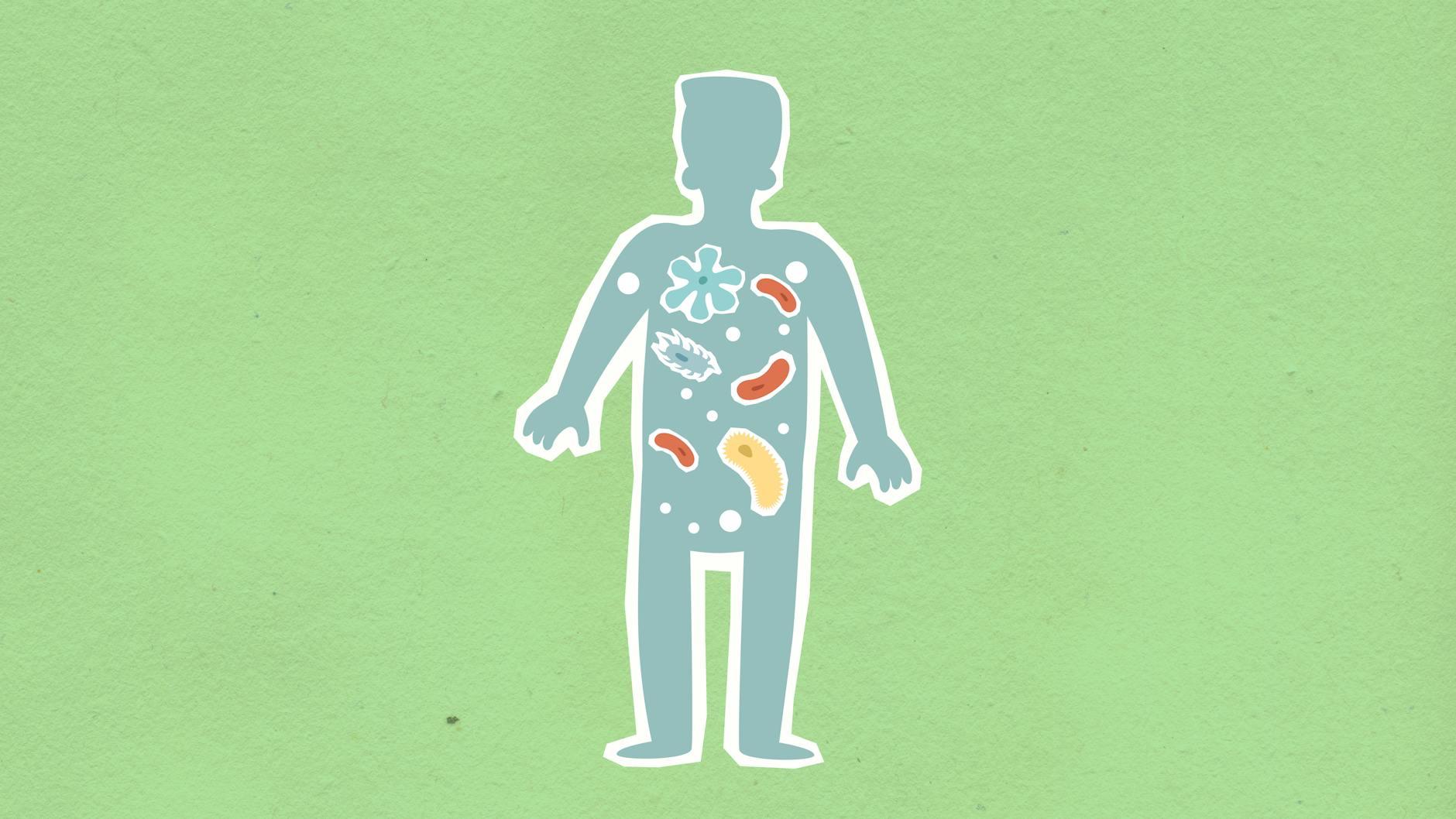
What the gut microbiome actually is
The human gut harbors approximately 38 trillion microbial cells — bacteria, archaea, fungi, and viruses — distributed across roughly 1,000 bacterial species in any given individual, though most people host a stable core of a few hundred. The collective genome of these organisms, called the microbiome (or more precisely the metagenome), encodes more than 150 times the number of genes in the human genome. These organisms are not passive residents. They digest polysaccharides that human enzymes cannot break down, synthesize vitamins (notably B12, K2, and folate), regulate intestinal permeability, train the immune system, and produce neuroactive compounds that signal to the brain.
Diversity is the most reliably associated marker of a healthy microbiome across large epidemiological studies. Higher species richness and phylogenetic diversity are associated with lower rates of obesity, type 2 diabetes, inflammatory bowel disease (IBD), and depression. This does not prove diversity causes health; the association likely runs in both directions. But it provides the theoretical scaffolding for why supporting microbial diversity through diet and supplementation makes biological sense.
Dysbiosis is the term for microbial imbalance — a shift in the relative abundance of beneficial versus harmful organisms, or a reduction in overall diversity. Dysbiosis has been associated with IBS (irritable bowel syndrome), IBD, metabolic syndrome, atopic disease, and neuropsychiatric conditions. The pattern does not require that the microbiome causes these conditions in all cases; it means the microbial ecosystem is often disturbed when these conditions are present, and restoring balance is a reasonable intervention target.
The most disruptive forces on microbiome composition are broad-spectrum antibiotics (which can reduce diversity by 25 to 50% within 24 hours), highly processed low-fiber diets, chronic psychological stress, and inadequate sleep. This context matters enormously for evaluating probiotic supplementation: the most important intervention for a depleted microbiome is often what you stop doing, not what capsule you add.
Why species identity matters: the keystone concept
The most common mistake in probiotic marketing is treating all bacteria as equivalent contributions to a count. The number of CFUs on a label says almost nothing about what a supplement will actually do inside your gut. What matters is strain identity — and whether that specific strain has clinical evidence behind it for a specific outcome.
Ecologists use the term "keystone species" to describe organisms whose removal disproportionately destabilizes an entire ecosystem relative to their biomass. The concept applies directly to the gut. Certain bacterial species, despite low relative abundance, perform functions that no other resident organism replicates: producing specific short-chain fatty acids (SCFAs), maintaining the mucus layer, regulating bile acid metabolism, or priming immune tolerance. Losing them does not mean losing 0.1% of the system. It means losing a function entirely.
This is why strain-level evidence is the correct unit of analysis. Lactobacillus rhamnosus GG does not predict what Lactobacillus rhamnosus Lcr35 will do. They share a genus and species but differ at the strain level, and their clinical profiles are distinct. A probiotic label saying "contains Lactobacillus" tells you approximately as much as a label saying "contains mammal."
The sections below examine the strains and species with the strongest clinical evidence, organized by genus and application.
Lactobacillus strains: what the evidence supports
Lactobacillus species are gram-positive, lactic acid-producing bacteria that colonize the small intestine, colon, and vaginal epithelium. They are the most studied probiotic genus by volume of clinical trials, and the evidence quality varies enormously between strains.
Lactobacillus rhamnosus GG (LGG). LGG is the single most studied probiotic strain in the clinical literature, with more than 800 published trials. The evidence for two specific indications is consistent across multiple RCTs (randomized controlled trials) and meta-analyses: prevention of antibiotic-associated diarrhea (AAD) and reduction of traveler's diarrhea duration. In the Vanderhoof et al. (1999) trial in pediatric patients, LGG reduced AAD incidence from 26% in the placebo group to 7% in the LGG group [2]. This is a robust signal, replicated across populations. For IBS (irritable bowel syndrome), particularly diarrhea-predominant IBS (IBS-D), LGG has shown modest but consistent benefit on stool consistency and pain frequency in several adult trials, though effect sizes are smaller than in AAD. The mechanism involves competitive exclusion of pathogens, SCFA production, and mucin upregulation.
Lactobacillus reuteri. L. reuteri produces reuterin, a broad-spectrum antimicrobial compound, and has several distinct evidence streams. In H. pylori eradication protocols, adjunctive L. reuteri reduces treatment-related side effects and modestly improves eradication rates in RCTs. More intriguingly, human trials have found that L. reuteri supplementation (specifically DSM 17938 and ATCC 6475 strains) increases serum testosterone in aging males in some studies, an effect that appears mechanistically linked to its modulation of luteinizing hormone (LH) pulsatility via gut-to-hypothalamus signaling. These data are preliminary and largely replicated in male rodent models; the human testosterone data deserve caution and more trials before firm conclusions. L. reuteri also has consistent evidence for reducing LDL (low-density lipoprotein) cholesterol in human RCTs, with one systematic review finding a mean reduction of approximately 11.6 mg/dL in adults supplementing for 6 to 9 weeks.
Lactobacillus acidophilus. L. acidophilus NCFM is the most studied strain in this species. Evidence supports its role in vaginal microbiome restoration, where L. acidophilus is a dominant constituent of a healthy Lactobacillus-dominant vaginal ecosystem. Oral L. acidophilus supplementation in women with bacterial vaginosis has shown benefit in several trials as an adjunct to standard antibiotic treatment. Immune modulation — specifically increases in NK (natural killer) cell activity and reduction of upper respiratory infection frequency — has been shown in several trials of 2 to 3 months duration.
Lactobacillus plantarum. L. plantarum 299v has replicated evidence for improving IBS symptoms, with a 2012 RCT in 214 subjects showing significant reduction in pain and bloating versus placebo at 4 weeks. Mechanistically, L. plantarum is a potent producer of butyrate and propionate (SCFAs that fuel colonocytes and reinforce tight junctions), and has shown gut barrier strengthening effects in both in vitro and clinical settings. It survives gastric transit better than most Lactobacillus species, an important practical advantage.
Bifidobacterium strains: the immunity and mood connection
Bifidobacterium species dominate the infant gut microbiome (comprising up to 90% of colonizers in breastfed infants) and decline with age, chronic stress, and antibiotic use. This phylogenetic trajectory makes them a plausible target for supplementation in adults, particularly older adults and those under chronic stress.
Bifidobacterium longum. B. longum has the most consistent evidence in the psychobiotic (gut-brain) space among Bifidobacterium strains. The NCC3001 strain showed significant reduction in anxiety symptoms in IBS patients in a 2017 trial, with reductions in anxiety score correlating with changes in brain fMRI (functional magnetic resonance imaging) activity in emotion-processing regions. B. longum R0175, studied in combination with L. helveticus R0052, reduced cortisol output and self-reported stress in healthy adults over 30 days in the Messaoudi et al. (2011) trial [7]. The mechanistic hypothesis links B. longum to GABA (gamma-aminobutyric acid) receptor expression changes and vagal afferent signaling (discussed further in the psychobiotics section). For IBS with predominant constipation (IBS-C), B. longum has shown consistent benefit on transit time and stool frequency.
Bifidobacterium infantis. B. infantis 35624 (sold as Align) has a consistent clinical record in IBS, with multiple RCTs showing reduction in bloating, pain, and bowel dysfunction. B. infantis as a species is uniquely adapted to metabolize HMOs (human milk oligosaccharides), the predominant carbohydrate in breast milk, which explains its dominance in breastfed infants. It also plays a documented role in immune education during early life: infants colonized by B. infantis show lower inflammatory cytokine profiles, higher regulatory T-cell induction, and reduced risk of atopic disease compared to formula-fed, B. infantis-poor infants.
Bifidobacterium lactis Bl-04. B. lactis Bl-04 has replicated evidence for respiratory health. A 2009 RCT found that athletes supplementing Bl-04 during winter months had a 27% reduction in upper respiratory illness risk versus placebo. Immune mechanism studies show Bl-04 increases sIgA (secretory immunoglobulin A) levels in saliva and stool, the mucosal antibody that serves as the gut's first-line immune defense.
Bifidobacterium breve. B. breve B-3 has shown metabolic effects in clinical trials, including modest reductions in body fat percentage and visceral fat in overweight adults over 12 weeks. The mechanism appears to involve SCFA-mediated upregulation of fat oxidation genes and modulation of bile acid composition. Evidence is early-stage; the effect sizes are small and the trials are industry-funded, which warrants caution about generalizability.
A probiotic label saying "contains Lactobacillus" tells you approximately as much as a label saying "contains mammal." Strain identity is everything. CFU count is mostly theater.
Akkermansia muciniphila: the metabolic keystone
Akkermansia muciniphila may be the single most interesting bacterium in current longevity and metabolic research. It is a gram-negative, anaerobic species that colonizes the mucus layer of the large intestine, where it constitutes roughly 1 to 4% of the gut microbiome in healthy adults — but drops precipitously in obesity, type 2 diabetes (T2D), metabolic syndrome, and inflammatory bowel conditions. The 2026 DDW research on gut microbiome reseeding and liver aging adds to this picture: transplanting a youthful microbial composition reversed five molecular hallmarks of liver aging in mice — a finding that converges on the same gut-liver axis Akkermansia research has been mapping.
Its primary function is mucus layer maintenance. The colon's mucus layer — a glycoprotein-rich gel secreted by goblet cells — serves as the physical barrier between luminal contents (including bacteria) and the epithelial cells beneath. A thin or disrupted mucus layer is one of the key features of "leaky gut" (increased intestinal permeability), formally called intestinal hyperpermeability. Akkermansia degrades and recycles mucin as a carbon source, which paradoxically stimulates goblet cells to produce more mucin, thickening the layer. Its presence also upregulates tight junction protein expression (claudin-3, ZO-1), directly reinforcing the barrier.
The metabolic effects are documented in both mechanistic and human data. Plovier et al. (2017) in Nature Medicine showed that both live and pasteurized Akkermansia muciniphila administration in obese mice improved insulin sensitivity, reduced fat mass, and restored gut barrier function [4]. Crucially, pasteurized (heat-killed) Akkermansia was equally or more effective than live bacteria in some endpoints, which has practical implications: live Akkermansia is difficult to manufacture and store due to its strict anaerobic requirements. A pasteurized preparation can be encapsulated in standard conditions.
The first human trial — Depommier et al. (2019) in Nature Medicine — enrolled 32 overweight or obese adults with metabolic syndrome markers. Pasteurized Akkermansia supplementation for 3 months, compared to placebo, significantly reduced insulin resistance (as measured by HOMA-IR, homeostatic model assessment of insulin resistance), reduced blood glucose excursions, improved gut barrier integrity markers, and modestly reduced body weight. This was a small trial, but it was the first human proof-of-concept that Akkermansia supplementation produces measurable metabolic effects. Pendulum Therapeutics' formulations are the primary commercially available Akkermansia product in the U.S. market, with their glucose control supplement showing published data on postprandial glucose reduction in T2D patients.
Live Akkermansia muciniphila is obligately anaerobic — it dies rapidly on oxygen exposure, which makes standard probiotic capsule manufacturing essentially impossible for live preparations. Pasteurized Akkermansia sidesteps this problem and, based on current evidence, appears to retain the metabolic activity that matters. Pendulum's Akkermansia product uses a patented anaerobic encapsulation process for live bacteria. Both approaches have human evidence; the pasteurized form has a wider trial base at this stage. Expect to pay substantially more than for standard Lactobacillus/Bifidobacterium supplements.
Spore-formers: Bacillus subtilis and Bacillus coagulans
The Bacillus genus solves the central practical problem of probiotic supplementation: stomach acid and bile kill most Lactobacillus and Bifidobacterium strains before they reach the colon. Bacillus species address this through sporulation — the ability to form dormant endospores, structurally similar to seeds, that survive extremes of heat, acid, bile, and desiccation. In the small intestine, they germinate into metabolically active bacteria. This biology gives them a substantial survival advantage.
Bacillus subtilis DE111 has human trial data showing increases in Bifidobacterium and Lactobacillus populations in the colon after supplementation, suggesting a prebiotic-like effect on resident microbiota rather than direct colonization. It also produces subtilisin and nattokinase, enzymes with fibrinolytic activity (nattokinase is the fermentation-derived compound found in natto). Evidence for direct clinical outcomes from B. subtilis DE111 specifically is modest but growing, with IBS and general GI comfort studies showing improvement versus placebo.
Bacillus coagulans MTCC 5856 (sold as LactoSpore) has the strongest spore-former evidence base for clinical outcomes. A 2017 RCT in 36 adults with IBS found significant reduction in IBS-Symptom Severity Score (IBS-SSS) and improvement in stool consistency versus placebo. B. coagulans is also shelf-stable at room temperature, an important practical consideration: most Lactobacillus-based probiotics require refrigeration to maintain viability, and studies of commercially available probiotics have found that many do not contain the labeled CFU count by the time of purchase.
Spore-formers are not a replacement for Lactobacillus or Bifidobacterium species in terms of colonization and interaction with host immune tissue, but they are a reliable delivery vehicle for SCFA production and microbiota modulation, and their survival advantage is real and documented.
Prebiotics that feed the right microbes
Prebiotics are non-digestible dietary compounds that selectively stimulate the growth or activity of beneficial microorganisms in the gut. They are not the same as probiotics (live microorganisms). The distinction matters because the evidence for specific prebiotics is often stronger and more mechanistically clean than the evidence for specific probiotic strains, and a well-fed native microbiome will outperform a transiently colonizing supplemental strain nearly every time.
Inulin and FOS (fructooligosaccharides). Inulin is a chain of fructose molecules found in chicory root, garlic, onion, and leeks. FOS are shorter-chain relatives. Both are selectively fermented by Bifidobacterium species, making them the most Bifidobacterium-specific prebiotics identified. Supplemental inulin at 5 to 10 g per day reliably increases Bifidobacterium counts in stool by 1 to 2 log units in RCTs. It is also bifidogenic at higher intakes from food, which is why high-vegetable diets tend to produce Bifidobacterium-rich microbiomes. GI side effects (bloating, gas) are dose-dependent and typically subside after 1 to 2 weeks of regular use.
Resistant starch. Resistant starch is starch that escapes small intestine digestion and reaches the colon, where it is fermented primarily to butyrate by Ruminococcus, Faecalibacterium prausnitzii, and Bacteroides species. It is the most potent dietary driver of colonic butyrate production. Sources include cooked-and-cooled potatoes, green bananas, legumes, and oats. Supplemental resistant starch (RS2 from green banana flour or RS3 from retrograded starch) at 15 to 30 g per day produces measurable increases in butyrate-producing bacteria and fecal butyrate concentration in human trials.
Beta-glucan. Oat beta-glucan and barley beta-glucan have a dual evidence base: well-replicated LDL-lowering effects (via bile acid sequestration) and prebiotic fermentation producing SCFAs, particularly propionate. Beta-glucan is one of the few prebiotics with a health claim approved by regulatory bodies (FDA for LDL reduction). Effective dose is 3 g per day from food or supplement.
HMOs (human milk oligosaccharides). HMOs, historically available only in breast milk, are now synthesized and available as supplements. 2'-FL (2'-fucosyllactose) is the most abundant HMO and has been shown to selectively expand B. infantis populations in adults. HMO supplementation is a high-interest area because HMOs appear to feed Bifidobacterium species with exceptional selectivity, potentially recreating some of the early-life colonization benefits in adult populations. Evidence is early-stage but mechanistically compelling.
PHGG (partially hydrolyzed guar gum). PHGG is a soluble, low-viscosity fiber with strong evidence for IBS symptom reduction, particularly in mixed-type IBS (IBS-M). A 2016 RCT found PHGG significantly improved stool consistency and reduced abdominal pain compared to placebo over 12 weeks. It feeds a broad range of SCFA-producing bacteria without the bloating commonly associated with inulin.
Psychobiotics: the gut-brain axis evidence
The gut-brain axis is the bidirectional communication network connecting the enteric nervous system (ENS) — sometimes called the "second brain," containing 500 million neurons — to the central nervous system (CNS) via the vagus nerve, the HPA (hypothalamic-pituitary-adrenal) axis, and circulating immune mediators. This is not a metaphor. The gut sends more signals to the brain than the brain sends to the gut. The vagus nerve carries roughly 80% of its traffic upward, afferently.
The term "psychobiotic" was coined in 2013 by Cryan and Dinan to describe probiotic organisms that, when ingested in adequate amounts, confer mental health benefits. The preclinical evidence is extensive and mechanistically coherent. The human evidence is more limited but growing.
L. rhamnosus (JB-1) — the GABA mouse study. Bravo et al. (2011) published a landmark study in PNAS showing that L. rhamnosus JB-1 ingestion in mice significantly reduced anxiety and depressive behavior, reduced corticosterone (the mouse equivalent of cortisol) during stress, and altered GABA receptor expression across multiple brain regions [6]. This effect was completely abolished by vagotomy — surgical cutting of the vagus nerve — confirming the vagal pathway. The study was mechanistically important, but translating mouse anxiety behavior to human anxiety is not straightforward, and the JB-1 strain has underperformed in human trials to date. Human replication is an open question.
B. longum 1714. The 1714 strain has the most convincing human psychobiotic data. A 2019 randomized crossover trial in healthy adults found that B. longum 1714 supplementation for 4 weeks, compared to placebo, reduced subjective stress scores, improved cognitive performance on visuospatial memory tasks, and altered cortisol awakening response. These are real effects in a real human trial, not animal extrapolations. The strain appears to act via vagal signaling and direct production of neuroactive metabolites.
The L. helveticus R0052 + B. longum R0175 combination (studied by Messaoudi et al. in 2011) reduced 24-hour urinary cortisol output and scores on the Hopkins Symptom Checklist-90 in healthy adults who scored above average on psychological distress measures [7]. This combination is one of the most-replicated psychobiotic formulations, with subsequent trials broadly confirming the stress-cortisol findings.
The mechanistic case for psychobiotics — gut bacteria signaling to the brain via the vagus nerve and altering neurotransmitter precursor availability — is solid and replicated across animal models. The human evidence is more modest: effect sizes tend to be small to moderate, most trials enrolled fewer than 100 participants, and many studied healthy adults with subclinical stress rather than clinical anxiety or depression disorders. Do not expect probiotic supplementation to substitute for established mental health interventions. The gut-brain axis is real; the magnitude of probiotic influence on human mood and cognition is still being quantified.
What limits probiotic survival
Probiotic efficacy depends on a sequence of challenges that most discussions skip over. Understanding them explains why strain selection and product quality matter more than CFU count.
Stomach acid. The human stomach maintains a pH of 1.5 to 3.5 after eating — strongly acidic enough to kill most bacteria within minutes. Standard Lactobacillus and Bifidobacterium strains survive gastric transit at rates ranging from essentially zero (in some poorly formulated products) to 10 to 40% (in enteric-coated or highly acid-tolerant strains). Bacillus spores survive nearly completely. This is why spore-formers have a practical advantage in oral supplementation.
Bile salts. Bile is secreted into the duodenum (the first segment of the small intestine) at concentrations that are bactericidal to non-adapted organisms. Lactobacillus and Bifidobacterium strains with clinical efficacy have been specifically selected for bile salt tolerance. This is not a universal property of the genera — it is strain-specific, which further emphasizes why strain identity matters.
Colonization versus transit. Most orally administered probiotics do not permanently colonize the gut in healthy adults with an established microbiome. They transit — producing effects during their passage and for a short period after — but do not establish persistent populations. This does not mean they are useless; transient populations can produce SCFAs, displace pathogens, and modulate immune responses during their passage. But it does mean effects are dose-duration dependent. Stop supplementing, and levels return to baseline within 2 to 4 weeks for most strains.
CFU count versus strain identity. A product with 100 billion CFU of a strain with no clinical evidence for your target outcome will do less than a product with 10 billion CFU of a well-evidenced, well-formulated strain. The arms race to higher CFU numbers is largely a marketing phenomenon. Most human RCTs with replicated effects used doses in the 1 to 30 billion CFU range. Effective dose is strain-dependent.
What the evidence does not support
There is a category of probiotic marketing claims with no meaningful RCT support that deserves direct identification.
Generic "gut health" multi-strain blends at 50+ billion CFU. Products containing 10 to 20 undifferentiated strains at very high CFU counts are built for shelf appeal, not clinical outcome. The strains are often chosen for stability in manufacturing rather than clinical evidence, and their interaction effects inside the gut are untested. There is no evidence that higher is better beyond the dose ranges used in RCTs; the colon has carrying capacity constraints, and excess bacteria are simply excreted.
Soil-based organisms (SBOs) beyond Bacillus. The SBO category is a marketing umbrella that sometimes includes organisms with no human safety or efficacy data. Bacillus subtilis and Bacillus coagulans have real evidence. Many other SBO products do not.
Stool microbiome testing to guide personalized probiotic selection. Direct-to-consumer microbiome testing is a useful curiosity but not yet a clinical tool for probiotic selection. The reference ranges are not validated, the inter-sample variability (what you eat the day before the test significantly changes results) is substantial, and no evidence demonstrates that choosing probiotics based on DTC (direct-to-consumer) stool testing improves outcomes compared to choosing based on clinical indication and strain evidence.
Fermented supplements without live cultures. Pasteurized kefir and commercially processed fermented foods often contain no viable organisms by the time of consumption. Traditionally prepared kimchi, raw sauerkraut, kefir with active cultures, and high-quality yogurt with live and active cultures do contain meaningful organism counts. Labels should specify "live and active cultures" and provide CFU counts if the product is being consumed primarily for probiotic benefit.
A tiered framework
These tiers are frameworks for situating the evidence in a practical decision structure. Every specific decision is one to take to a clinician.
Before any supplement, prioritize the dietary substrate: daily intake of fermented whole foods (live-culture yogurt, kefir, kimchi, sauerkraut, miso), a high-plant-diversity diet (30+ plant species per week is associated with greater microbiome diversity in large cohort studies), and prebiotic-rich foods — garlic, onion, leeks, oats, legumes, cooked-and-cooled potatoes, green bananas. These deliver a complex mixture of organisms, HMOs, resistant starch, inulin, and beta-glucan that no capsule combination replicates. This foundation is non-negotiable; supplementation on top of a processed-food, low-fiber diet is unlikely to produce clinically meaningful results.
Match the strain to the clinical target. Post-antibiotic recovery or IBS-D: L. rhamnosus GG, 10 to 20 billion CFU, twice daily during and for 2 weeks after antibiotic course. Stress and subclinical anxiety: B. longum 1714 or the L. helveticus R0052 + B. longum R0175 combination, 1 to 3 billion CFU, taken consistently for 4+ weeks. General gut health maintenance: a multi-strain blend including both Lactobacillus (rhamnosus GG, plantarum 299v) and Bifidobacterium (longum, lactis Bl-04) at 10 to 30 billion CFU total. Choose refrigerated products with third-party viability verification, or spore-based products (B. coagulans) if refrigeration is impractical. Consistent daily use for at least 4 weeks before evaluating effect.
Layer onto the standard foundation: pasteurized Akkermansia muciniphila (Pendulum or equivalent), taken with a fat-containing meal, for metabolic and gut barrier support — particularly relevant in metabolic syndrome, prediabetes, or after significant antibiotic exposure. Add targeted prebiotic supplementation: inulin/FOS at 5 g per day (titrate slowly to avoid bloating), PHGG at 5 g per day for IBS, or resistant starch (green banana flour, 15 to 20 g per day) for butyrate production. For the gut-brain axis, add B. longum 1714 as a discrete psychobiotic strain. Track outcomes concretely: Bristol Stool Scale (BSS) entries daily for 4 weeks, subjective GI symptom log (bloating, frequency, urgency scored 1 to 10), and a standardized anxiety scale (GAD-7) before and after an 8-week psychobiotic course if that is the target. Without outcome tracking, optimization is noise.
References
- Hill C, et al. Expert consensus document: The International Scientific Association for Probiotics and Prebiotics consensus statement on the scope and appropriate use of the term probiotic. Nat Rev Gastroenterol Hepatol. 2014;11(8):506-514.
- Vanderhoof JA, et al. Lactobacillus GG in the prevention of antibiotic-associated diarrhea in children. J Pediatr. 1999;135(5):564-568.
- Plovier H, et al. A purified membrane protein from Akkermansia muciniphila or the pasteurized bacterium improves metabolism in obese and diabetic mice. Nat Med. 2017;23(1):107-113.
- Cani PD, de Vos WM. Next-generation beneficial microbes: The case of Akkermansia muciniphila. Front Microbiol. 2017;8:1765.
- Depommier C, et al. Supplementation with Akkermansia muciniphila in overweight and obese human volunteers: a proof-of-concept exploratory study. Nat Med. 2019;25(7):1096-1103.
- Bravo JA, et al. Ingestion of Lactobacillus strain regulates emotional behavior and central GABA receptor expression in a mouse via the vagus nerve. Proc Natl Acad Sci USA. 2011;108(38):16050-16055.
- Messaoudi M, et al. Assessment of psychotropic-like properties of a probiotic formulation (Lactobacillus helveticus R0052 and Bifidobacterium longum R0175) in rats and human subjects. Br J Nutr. 2011;105(5):755-764.
- Sonnenburg JL, Sonnenburg ED. Vulnerability of the industrialized microbiota. Science. 2019;366(6464):eaaw9255.
- World Gastroenterology Organisation. WGO Global Guidelines: Probiotics and Prebiotics. WGO. 2023.